
Beautiful Plants For Your Interior
Beautiful Plants For Your Interior
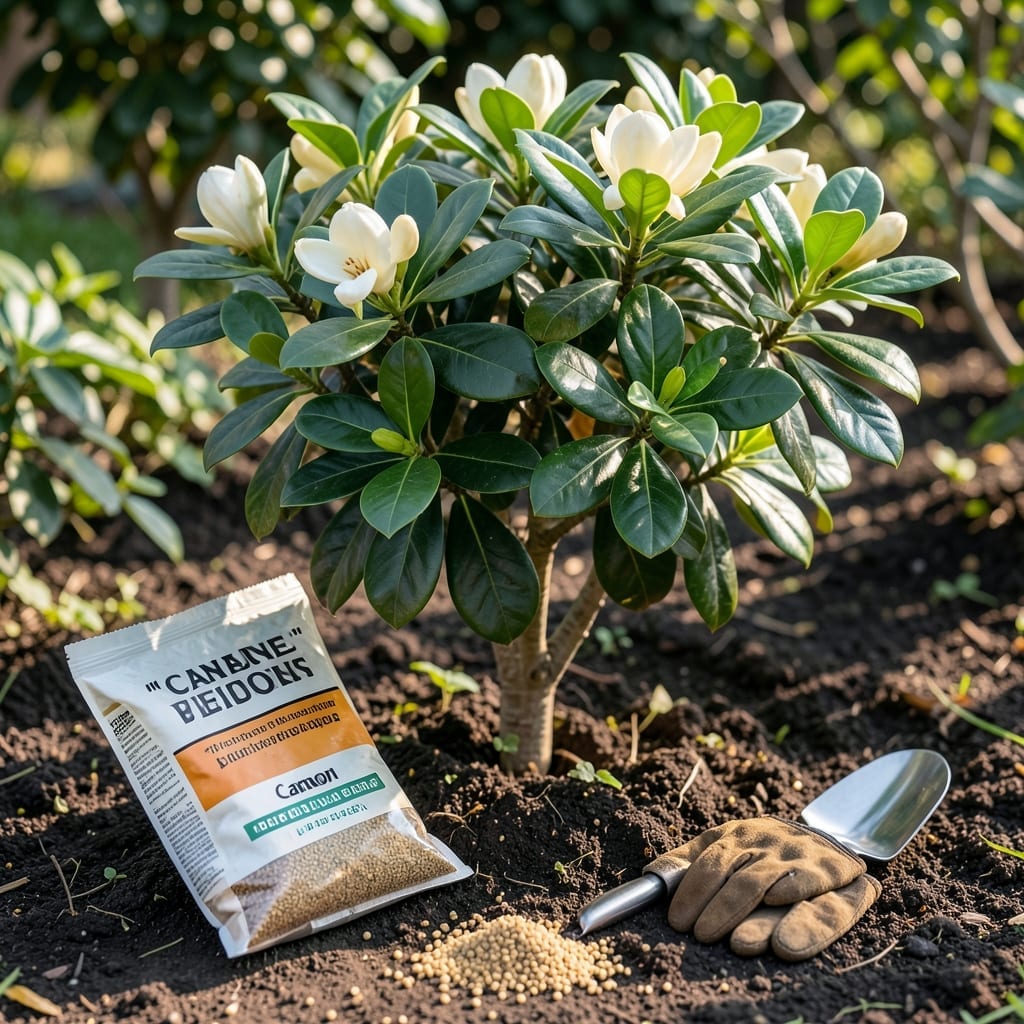
There’s nothing quite like the intoxicating fragrance of a blooming 🌸 Gardenia filling your garden. But these stunning shrubs won’t thrive without the right nutritional boost.
As acid-loving plants, Gardenias have very specific fertilizer needs that set them apart from other garden favorites. Get it wrong, and you’ll be left with sad, yellowing leaves instead of vibrant blooms.
I’ve learned through trial and error that the difference between a struggling Gardenia and a showstopper comes down to what you feed it and when. The good news? It’s simpler than you might think.
Let me walk you through exactly what your Gardenias crave to produce those gorgeous, fragrant flowers all season long.
If you want your gardenias to bloom beautifully, you must meet their specific nutrient needs. These acid-loving plants thrive in soil with a pH of 5.0-6.0, which helps them absorb essential nutrients efficiently. 🌸
Without the right soil acidity, gardenias struggle to take up iron and magnesium, leading to yellow leaves and poor growth. I always test my soil before planting to ensure it’s in the ideal range. 🌱
| Requirement | Specification |
| Soil pH | 5.0-6.0 (acidic) |
| Primary Macronutrients | N-P-K 10-10-10 or 30-10-10 |
| Key Micronutrients | Iron, Magnesium, Zinc |
| Fertilizer Type | Acid-loving plant fertilizer |
| Application Frequency | Every 4-6 weeks (growing season) |
The N-P-K ratio is crucial for gardenias. I recommend a balanced fertilizer like 10-10-10 or a higher nitrogen option such as 30-10-10 to promote lush foliage and abundant blooms. Each number represents the percentage of nitrogen, phosphorus, and potassium respectively. ☀️
Nitrogen encourages leafy growth, while phosphorus supports root development and flowering. Potassium enhances overall plant health and disease resistance. For gardenias, maintaining this balance ensures vibrant blooms and strong stems.
In addition to macronutrients, gardenias need micronutrients like iron and magnesium. Iron deficiency often causes yellowing between leaf veins, a condition known as chlorosis. I use chelated iron supplements if my soil test shows a deficiency.
Magnesium is essential for chlorophyll production. Without it, leaves may turn yellow or drop prematurely. Epsom salt, which is magnesium sulfate, can be a quick fix if your gardenias show signs of deficiency. Apply it as a foliar spray or soil drench.
Gardenias are particularly sensitive to soil pH. If the pH drifts above 6.0, nutrient uptake is hindered. I regularly amend my soil with pine bark fines or elemental sulfur to maintain acidity. Lime should be avoided as it raises pH.
Organic matter like compost or peat moss can also help maintain the right pH. I mix these into the planting hole and top-dress annually. This not only feeds the plant but also improves soil structure and drainage. 🌿
Remember, gardenias are heavy feeders during their growing season (spring to fall). However, over-fertilizing can lead to salt buildup in the soil, which harms roots. Always follow the package instructions and water thoroughly after applying fertilizer to prevent root burn.
Choosing the right fertilizer type for gardenias can make or break your blooming season. I’ve tested various options and found that acid-loving plant fertilizers work best for these finicky shrubs.
Liquid fertilizers offer quick absorption, perfect for a fast nutrient boost during active growth. Meanwhile, granular options provide a slow-release feed that’s great for steady nourishment.
For organic gardeners, cottonseed meal or fish emulsion are excellent choices. They improve soil acidity while providing essential nutrients without harsh chemicals.
Timing is everything with gardenias. I always feed mine in the early morning to allow maximum absorption before the heat of the day. This also helps prevent fertilizer burn on the roots.
Remember, over-fertilizing can be just as harmful as under-feeding. Stick to the recommended 1 tbsp per plant and watch for signs of stress like leaf scorching or excessive leaf drop.
With the right fertilizer and schedule, your gardenias will reward you with lush foliage and those signature fragrant blooms all season long. 🌸