
Beautiful Plants For Your Interior
Beautiful Plants For Your Interior
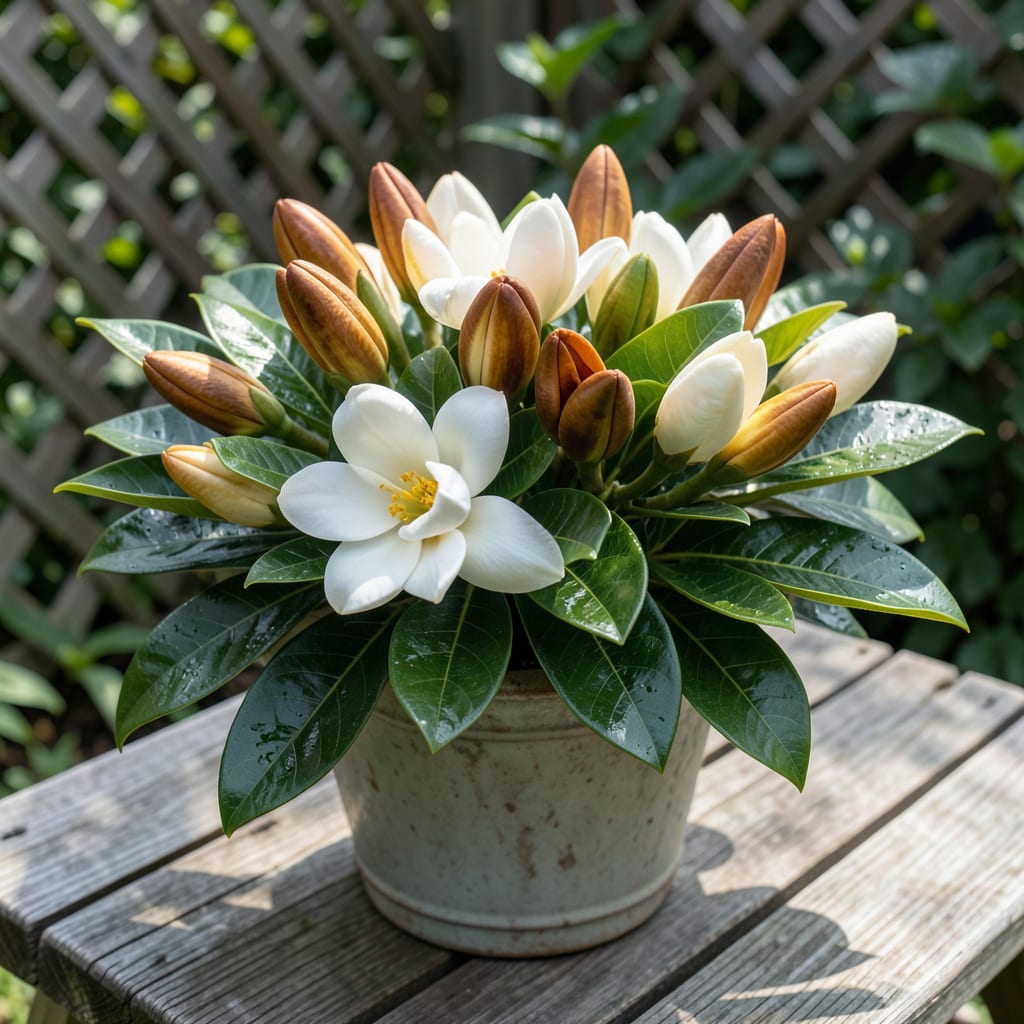
Nothing stings like watching gardenia buds turn brown right before they open. I’ve lost count of how many blooms I’ve sacrificed to this exact issue—just when you think they’re ready to burst with fragrance, they crisp up overnight.
Here’s the thing—it’s almost never just one problem. Too much sun, not enough water, or even a sudden temperature swing can trigger it. The buds are sensitive to stress, and they show it fast, especially in varieties like ‘Kleim’s Hardy’ or ‘August Beauty’.
Once I started tracking the patterns, the fixes became obvious. Consistent moisture, stable temps, and protection from harsh light usually bring them back. The key is catching it early, before the damage spreads to the whole plant.
No need to write off the season. With a few adjustments, you can still salvage the next round of blooms.
Gardenia buds turning brown is often a sign of environmental or cultural stress. Below are the most common causes, explained scientifically and with actionable insights.
Gardenia plants (Gardenia jasminoides) thrive in consistent temperatures between 65–75°F (18–24°C). Sudden drops below 60°F (15°C) or spikes above 80°F (27°C) disrupt cellular processes, leading to bud blight. Cold shock inhibits nutrient uptake, while heat stress accelerates moisture loss, causing buds to desiccate and brown prematurely.
Both overwatering and underwatering trigger bud browning. Overwatering suffocates roots, reducing oxygen availability and promoting fungal pathogens like Phytophthora. Underwatering, on the other hand, causes xylem cavitation, where air bubbles block water transport, starving buds of hydration. Aim for moist but well-drained soil—water when the top inch feels dry.
A lack of magnesium (Mg) or iron (Fe) often manifests as browning buds. Magnesium is central to chlorophyll production, and its deficiency leads to interveinal chlorosis (yellowing between veins), followed by necrosis. Iron deficiency, common in alkaline soils (pH > 7), disrupts enzyme function, stunting bud development. Test soil pH (ideal: 5.0–6.0) and amend with chelated iron or Epsom salt as needed.
Native to tropical regions, gardenias require high humidity (60–80%). Low humidity increases transpiration rates, causing buds to lose moisture faster than the roots can replenish it. Conversely, excessive humidity without airflow invites fungal infections. Use a humidity tray or mister to maintain levels, and ensure good air circulation.
Insects like aphids and scale pierce plant tissues, introducing toxins or pathogens that lead to bud necrosis. Fungal diseases such as Botrytis blight thrive in damp, cool conditions, causing brown spots and bud rot. Inspect plants regularly, and treat with neem oil or copper fungicide at first signs of infestation.
Gardenia buds turning brown can be frustrating, but most issues are fixable with the right adjustments. Below are targeted solutions for common causes, along with prevention tips to keep your gardenias thriving.
If extreme heat, cold drafts, or harsh sunlight are to blame, move potted gardenias to a stable, shaded spot (e.g., east-facing window or under a tree). For outdoor plants, use shade cloth during peak afternoon sun. Keep temperatures between 65–75°F (18–24°C) for best results.
Prevention: Monitor weather forecasts and relocate plants temporarily during heatwaves or frosts. Mulch soil to regulate root temperature.
Overwatering or drought both cause browning. Check soil moisture 1–2 inches deep—water only when dry. Use room-temperature, distilled water (gardenias hate chlorine and hard water). Ensure pots have drainage holes to prevent soggy roots.
Prevention: Water early in the day to reduce evaporation. Group plants to maintain humidity, or use a pebble tray with water underneath the pot.
Brown buds often signal magnesium or iron deficiency. Apply a liquid fertilizer for acid-loving plants (e.g., Miracid) every 2–4 weeks during growing season. For iron, use chelated iron tablets or foliar spray. Test soil pH—gardenias need 5.0–6.0; amend with sulfur if too alkaline.
Prevention: Fertilize regularly but avoid over-feeding. Refresh potting soil annually to replenish nutrients.
Inspect buds for aphids, thrips, or sooty mold. Spray with neem oil or insecticidal soap, focusing on undersides of leaves. For fungal issues (e.g., bud rot), remove affected buds and improve air circulation. Avoid overhead watering to prevent spores.
Prevention: Prune crowded branches to boost airflow. Sterilize pruning tools with rubbing alcohol between cuts.
With these fixes, your gardenia should rebound in 2–4 weeks. Consistency is key—small, regular adjustments work better than drastic changes!
Once buds turn brown, they won’t reopen or regain color. Remove them to redirect the plant’s energy to healthy growth and new blooms.
Check soil 1-2 inches deep—water when dry. In hot weather, this may mean watering every 2-3 days, but always ensure proper drainage.
Gardenias thrive at 60-80% humidity. Use a pebble tray or humidifier if indoor air is dry, especially during winter.
This often signals stress from temperature swings, low humidity, or inconsistent watering. Stable conditions are key to healthy blooms.
