
Beautiful Plants For Your Interior
Beautiful Plants For Your Interior
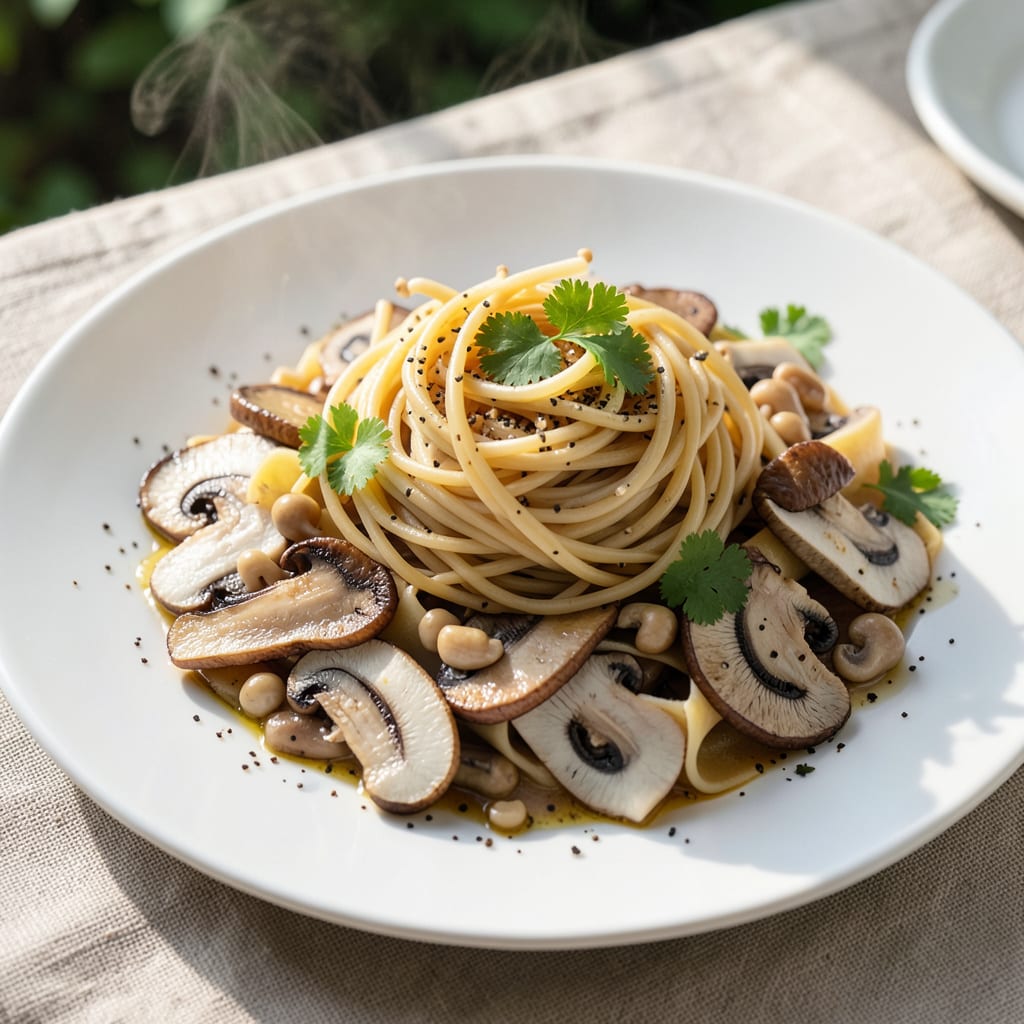
That white, stringy growth in your garden isn’t leftover dinner. I’ve seen this pasta-like fungus pop up overnight, especially after wet weather or overly generous watering.
It’s usually harmless mycelium, nature’s way of breaking down organic matter. But some varieties can signal trouble for your plants, so knowing the difference saves you from unnecessary panic or action.
Look for web-like strands on soil or mulch, often appearing in cool, damp conditions. If it’s spreading fast or smells sour, it might be time to intervene.
Most cases clear up on their own once things dry out. A little observation goes a long way before reaching for the rake.
The appearance of fungus that resembles pasta is typically tied to specific environmental and biological factors. Below are the primary causes, explained in scientific terms.
Fungi thrive in damp conditions. When organic matter—like wood, soil, or decomposing plant material—remains consistently wet, it creates an ideal breeding ground for species such as Hypomyces or Clathrus, which can develop pasta-like structures. Poor drainage, high humidity, or frequent rainfall can all contribute to this moisture buildup.
Decaying leaves, mulch, or untreated wood provide the nutrients fungi need to grow. These materials break down slowly, releasing compounds that certain fungi metabolize. In forests or gardens, piles of organic debris often harbor these unusual-looking fungi, as they feed on the decomposing matter.
Most fungi prefer moderate to warm temperatures (between 60–80°F or 15–27°C) to sporulate and develop their distinctive shapes. In warmer climates or during specific seasons, the combination of heat and moisture accelerates fungal growth, making pasta-like formations more likely to appear.
Soil rich in organic content and low in competing microorganisms can encourage the growth of unique fungi. Sandy or loamy soils with high organic matter often support these species, as they offer both nutrients and the right texture for mycelial networks to expand.
If you’ve spotted a pasta-like fungus in your garden or home, don’t panic! Here’s how to tackle it effectively, depending on the cause.
Fix: Reduce watering immediately and improve drainage. For potted plants, ensure pots have drainage holes and use a well-draining soil mix. In gardens, amend heavy clay soil with compost or sand. Let the top inch of soil dry out before watering again.
Prevention: 💡 Water only when the soil feels dry to the touch, and use mulch to regulate moisture.
Fix: Remove fallen leaves, dead plant material, and other organic debris where the fungus thrives. Rake the area thoroughly and dispose of the debris in sealed bags—not compost, as this can spread spores.
Prevention: ✨ Keep your garden or indoor plant area clean. Regularly prune dead branches and rake up leaf litter.
Fix: Increase airflow with fans or open windows, and use a dehumidifier if humidity levels stay above 60%. Wipe down surfaces with a vinegar solution (1:1 water and white vinegar) to kill existing spores.
Prevention: 🌡️ Maintain humidity below 50% and ensure good ventilation in bathrooms, kitchens, and basements.
Fix: Apply a natural fungicide like neem oil or a baking soda solution (1 tbsp baking soda + 1 tsp dish soap + 1 gallon water) to affected areas. For severe cases, use a commercial fungicide labeled for your specific fungus.
Prevention: 🎯 Space plants properly to allow airflow, and avoid overhead watering to keep foliage dry.
Act quickly—the sooner you address the issue, the easier it is to stop the fungus from spreading!
Most pasta-like fungi are harmless decomposers. However, if it’s spreading rapidly or has a foul odor, it may indicate a more aggressive species that could affect plant health.
Under ideal moist conditions, it can appear overnight and spread across 1-2 square feet within 24-48 hours. Act fast if you notice rapid expansion.
Avoid composting affected plant material. The spores may survive and spread when you use the compost. Dispose of it in sealed bags instead.
It may return if conditions remain damp. Improve drainage and reduce moisture to prevent recurrence. Regular maintenance is key.
