
Beautiful Plants For Your Interior
Beautiful Plants For Your Interior
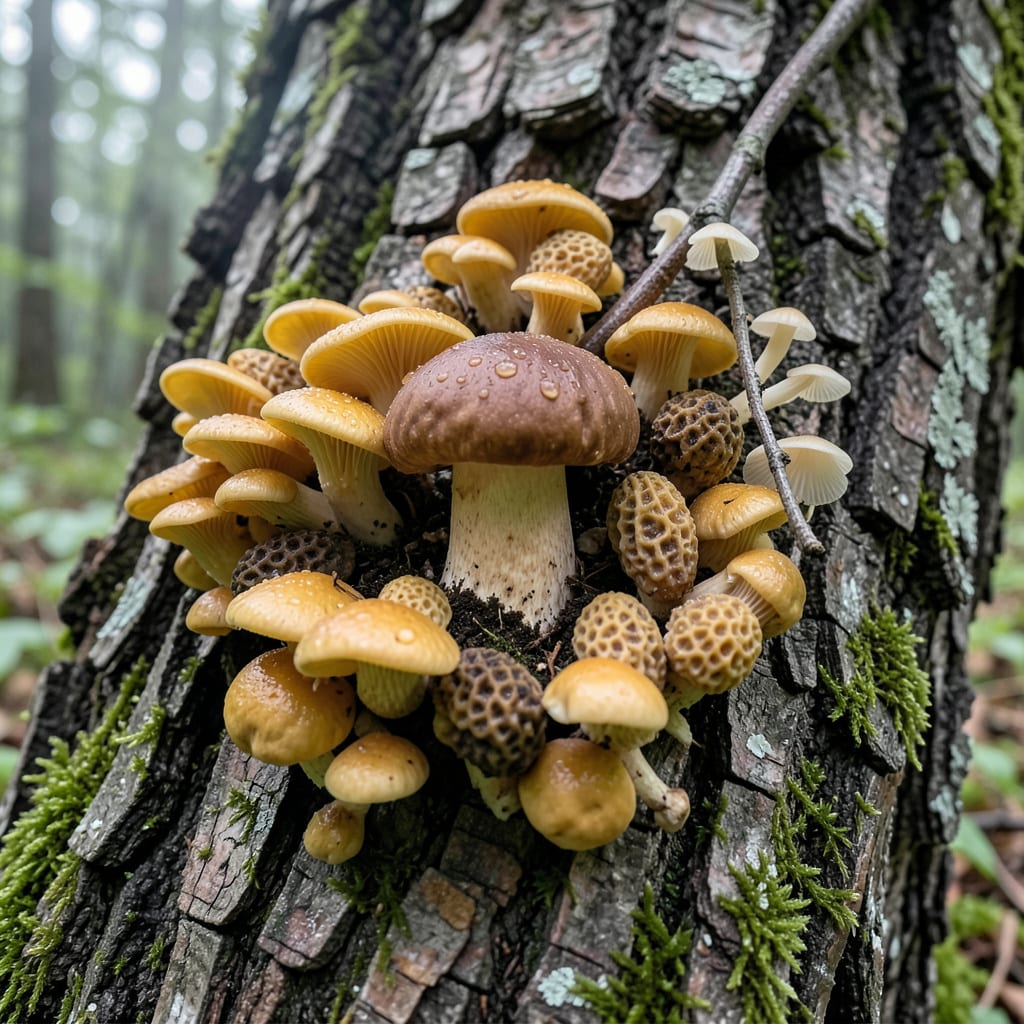
That white crust on your tree isn’t snow—it’s trouble. I’ve seen healthy trees decline fast once fungus takes hold, but early action can save them.
Most bark fungus starts with stress: drought, injury, or poor soil. You’ll spot discolored patches, peeling bark, or mushroom-like growths. The key is identifying which type you’re dealing with before treating.
Organic options like neem oil or baking soda sprays work for mild cases. For stubborn infections, copper fungicides deliver reliable results without harming the tree long-term.
Prevention beats cure every time. Proper watering, mulching, and annual inspections keep trees resistant to fungal attacks. Here’s how to spot and stop it.
Fungus thrives on tree bark due to several environmental and biological factors. Understanding these causes helps prevent and manage infestations effectively.
Prolonged dampness is a primary trigger. Trees in poorly drained soil or those frequently exposed to rain, sprinklers, or high humidity create ideal conditions for spores to germinate. Fungi like Armillaria and Ganoderma flourish in wet bark, breaking down organic matter for nutrients.
Weak or stressed trees are more susceptible. Physical damage (e.g., pruning wounds, animal scratches) or underlying issues like nutrient deficiencies or pest attacks lower the tree’s natural defenses. Fungi exploit these entry points, colonizing the bark and underlying wood.
Dense canopies or overcrowded plantings restrict airflow, trapping moisture against the bark. Stagnant air promotes spore settlement, accelerating fungal growth. This is especially common in shaded, humid microclimates where sunlight rarely dries the surface.
Most bark fungi prefer moderate temperatures (60–80°F), but some thrive in heat or cold. Warm, wet springs often lead to outbreaks, while cold, damp winters favor slow-growing species like Phellinus. Sudden temperature swings can also stress trees, making them vulnerable.
Fungal spores travel via wind, water, insects, or contaminated tools. Nearby infected trees or decaying wood increase the risk of cross-contamination. Even healthy trees can succumb if spores land on moist, damaged bark.
Dealing with fungal growth on trees requires targeted action based on the cause. Below are practical solutions, paired with prevention tips to keep your trees healthy long-term.
Fungus thrives in damp conditions. Stop overhead watering and switch to drip irrigation at the base. Prune dense branches to boost air circulation, and rake away mulch or leaf litter touching the trunk. Pro tip: 💡 Water early in the day so bark dries quickly.
For visible fungus like shelf fungi or powdery mildew, gently scrape it off with a sterile knife or brush (wear gloves!). Dispose of debris far from the tree—never compost it. Apply a copper-based fungicide or neem oil spray to the affected area, following label instructions. For severe cases, consult an arborist.
Fungus often enters through cracks or cuts. Clean the wound with a 10% bleach solution (1 part bleach to 9 parts water), then let it dry. Avoid tree wound dressings—they can trap moisture. Instead, encourage the tree’s natural healing by keeping the area dry and monitoring for new growth.
Early action is key—small fungal patches are easier to manage than widespread infestations!
It can spread to neighboring trees if left untreated. Spores travel through wind or water, so remove infected bark immediately and disinfect tools to prevent contamination.
A baking soda solution (1 tablespoon per gallon of water) can help mild cases. For stubborn growth, a copper fungicide is more effective. Always test on a small area first.
In wet conditions, visible growth can appear within 2-4 weeks. Warm, humid weather accelerates spore germination, so act fast at the first sign of discoloration or peeling.
Yes, removing infected branches improves airflow and reduces moisture. Sterilize pruners with rubbing alcohol between cuts to avoid spreading spores to healthy wood.
