
Beautiful Plants For Your Interior
Beautiful Plants For Your Interior
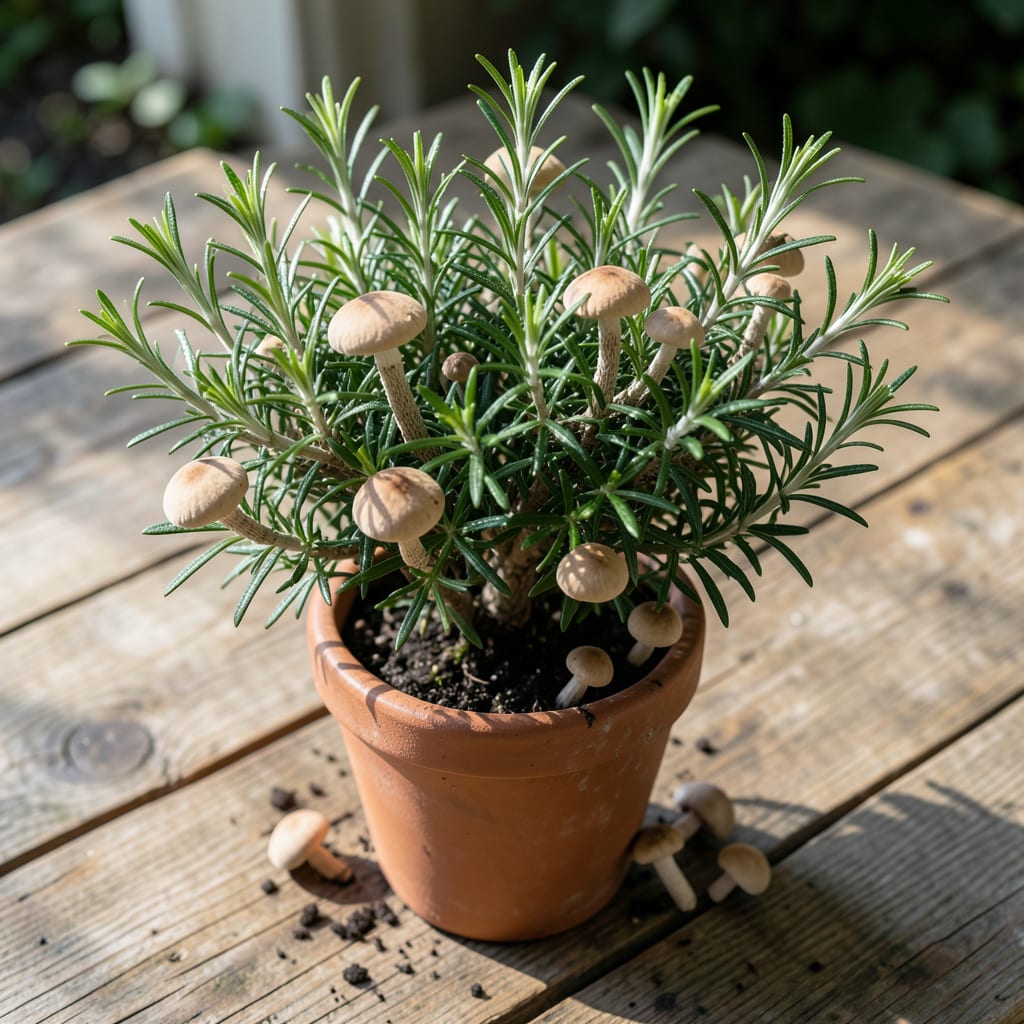
That white powder on your rosemary isn’t just unsightly—it’s stealing your plant’s vigor. I’ve battled this exact problem in my own herb garden, and the fix is simpler than you’d expect.
The culprit is usually powdery mildew, which thrives in humid conditions with poor air flow. Rosemary’s dense growth creates the perfect hideout for spores, but a few adjustments to your care routine can turn the tide.
With organic sprays and better spacing, your plant will bounce back with fragrant, healthy foliage. The key is acting fast before the fungus spreads to other herbs.
Works for potted plants, garden beds, and even indoor rosemary. Here’s how to reclaim your garden’s health.
Fungal infections on rosemary plants often stem from environmental conditions and cultural practices that favor pathogen development. Below are the primary causes, each with actionable insights to help you address the root of the problem.
High humidity, frequent rainfall, or overhead watering create a damp environment where fungal spores thrive. Rosemary, a Mediterranean native, prefers dry conditions. When foliage stays wet for extended periods—especially in crowded plantings with poor air circulation—spores germinate rapidly. Powdery mildew (e.g., Oidium spp.) and downy mildew are common in such scenarios.
Rosemary is hardy but vulnerable to fungal outbreaks during cool, damp nights (50–70°F) followed by warm days. These temperature swings stress the plant and slow its natural defenses, giving fungi like Phytophthora or Alternaria a foothold. Shade-cloth or row covers can mitigate this in unpredictable climates.
Fungal pathogens (e.g., Fusarium or Pythium) linger in infected soil or on unsterilized pruning shears. Reusing potting mix or failing to disinfect tools between plants spreads spores. Always use well-draining, sterile soil and clean tools with a 10% bleach solution or rubbing alcohol.
Rosemary’s roots rot in soggy soil, a direct invitation for root-infecting fungi. Clay soils or containers without drainage holes exacerbate the issue. Ensure pots have drainage holes and amend heavy soil with perlite or sand to improve aeration.
Excess nitrogen (from over-fertilizing) promotes lush, tender growth that’s susceptible to fungal attacks. Conversely, potassium and silicon deficiencies weaken cell walls, making plants easier targets. Use a balanced, slow-release fertilizer and avoid high-nitrogen feeds late in the growing season.
Fungus on rosemary can be frustrating, but these targeted solutions will help restore your plant’s health. Address each issue directly with simple, organic fixes.
If you spot a white powdery coating on leaves, act fast. Remove infected leaves and discard them (do not compost). Then, mix 1 tablespoon baking soda + 1 teaspoon dish soap + 1 gallon water and spray weekly until the fungus clears. Prevention tip: 💡 Space plants 2–3 feet apart and water at the base to keep foliage dry.
Yellowing leaves and wilting? Overwatering may have caused root rot. Stop watering immediately and let the soil dry out. If the pot lacks drainage, repot in fresh, well-draining soil (mix in perlite or sand). Prevention tip: ✨ Use terracotta pots and water only when the top 1–2 inches of soil are dry.
Dark or wet-looking spots? This fungal issue spreads quickly. Prune affected branches with sterilized shears (wipe with rubbing alcohol between cuts). Apply a copper fungicide spray (organic options available) every 7–10 days. Prevention tip: 🎯 Avoid overhead watering and clean up fallen debris around the plant.
Pro tip: 🌡️ Rosemary thrives in full sun and low humidity—mimic its native Mediterranean conditions to keep fungus at bay!
Yes, if you act quickly. Remove all infected parts, then treat with a baking soda spray or copper fungicide. Ensure the plant has full sun and good airflow to recover.
Apply a baking soda or neem oil spray every 7-10 days until the issue resolves. Always spray in the morning so leaves dry quickly.
Only if your tools aren’t clean. Always sterilize pruners with rubbing alcohol between cuts to prevent spreading spores to healthy parts.
No. Fungal spores can be harmful if ingested. Discard infected leaves and avoid using the plant until it’s completely fungus-free.
