
Beautiful Plants For Your Interior
Beautiful Plants For Your Interior
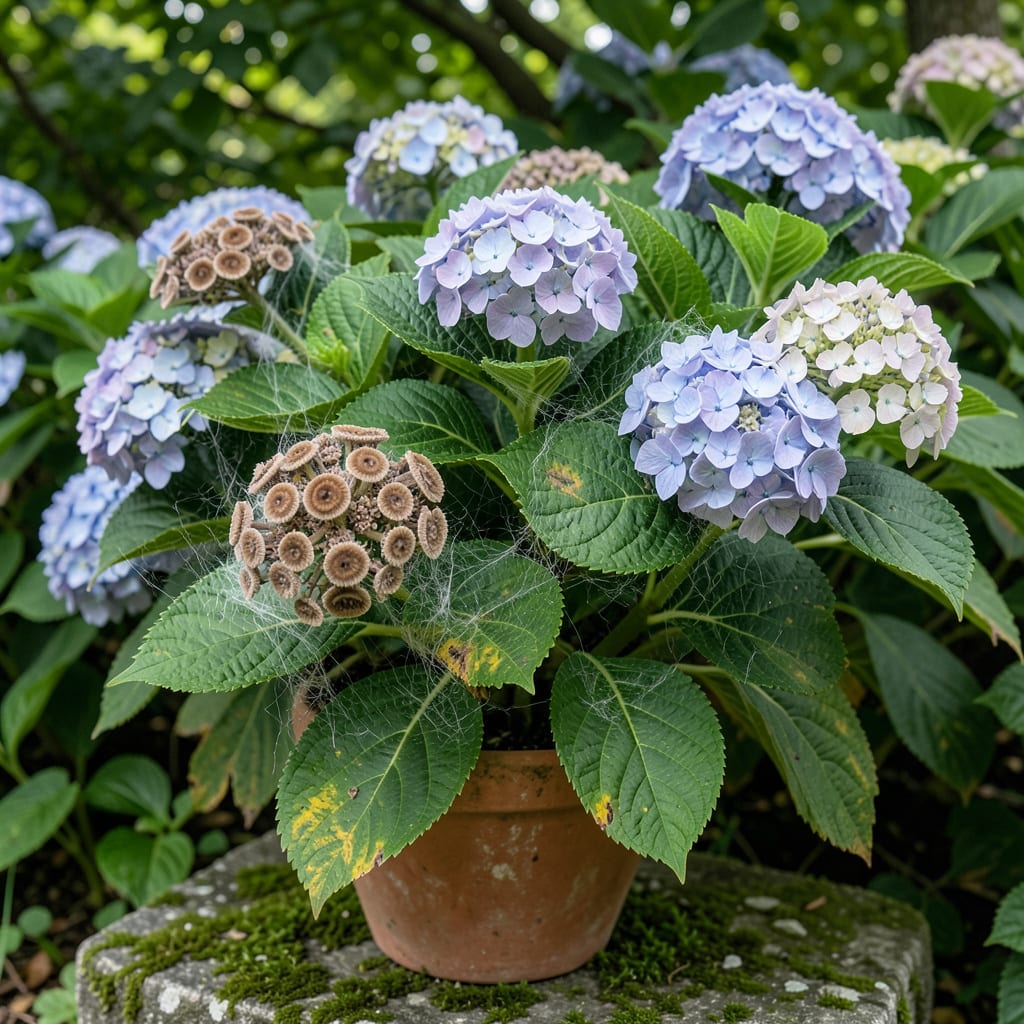
Spotted brown patches on your hydrangea leaves? I’ve been there—watching healthy plants turn sickly overnight. Fungal infections spread fast, but catching them early makes all the difference.
Most hydrangea fungi thrive in damp, still air. I learned the hard way that crowded plants and overhead watering create perfect breeding grounds. The good news? Organic treatments work if you act before it spreads to stems.
You’ll see improvement within 7-10 days of starting treatment. The key is consistency—remove infected leaves, improve airflow, and apply remedies regularly. Your hydrangeas can bounce back stronger than before.
Works for all hydrangea varieties, from bigleaf to panicle. Here’s how to save your plants without harsh chemicals.
Fungal infections on hydrangeas are often the result of environmental conditions and cultural practices that favor pathogen growth. Below are the primary causes, explained with actionable insights to help you prevent them.
Fungi like Cercospora and Powdery Mildew thrive in damp, humid environments. Overwatering, poor soil drainage, or overhead irrigation (wetting the leaves) creates a breeding ground for spores. Solution: Water at the base of the plant early in the day to allow foliage to dry quickly, and ensure soil has good drainage.
Hydrangeas planted too closely together or surrounded by dense foliage suffer from reduced airflow. Stagnant air traps moisture, accelerating fungal spore germination. Solution: Space plants according to their mature size and prune nearby vegetation to improve circulation.
Fallen leaves, dead blooms, and plant debris harbor fungal spores over winter. These pathogens reinfect hydrangeas when conditions are right. Solution: Remove and destroy (do not compost) infected plant material promptly to break the disease cycle.
Warm, humid days (70–80°F) followed by cool, dewy nights are ideal for fungal growth, especially for Botrytis (gray mold). Hydrangeas in shaded, poorly ventilated areas are particularly vulnerable. Solution: Site plants in areas with morning sun to reduce humidity and consider fungicidal sprays during high-risk periods.
Fungus on your hydrangeas can be frustrating, but with the right approach, you can restore your plants to health. Below are targeted solutions for common fungal issues, along with prevention tips to keep them from returning.
Fix: Spray affected leaves with a mixture of 1 tablespoon baking soda, 1 teaspoon dish soap, and 1 gallon of water. Apply in the morning to allow leaves to dry quickly. For severe cases, use neem oil (follow label instructions) as a natural fungicide.
Prevention: Improve air circulation by spacing plants properly. Water at the base to keep foliage dry, and avoid overhead watering in the evening.
Fix: Remove and destroy infected leaves immediately to prevent spread. Apply a copper-based fungicide or a compost tea spray (rich in beneficial microbes) to protect healthy foliage.
Prevention: Clean up fallen leaves and debris around the plant. Rotate hydrangeas with other plants yearly to reduce fungal buildup in the soil.
Fix: If roots are mushy and dark, trim affected areas and repot in fresh, well-draining soil. Water with a hydrogen peroxide solution (1 part 3% peroxide to 10 parts water) to kill fungus.
Prevention: Ensure pots have drainage holes, and use a raised bed if planting in heavy clay soil. Let the top inch of soil dry out between waterings.
💡 Pro Tip: Boost your hydrangea’s resistance by applying mulch (like bark or straw) to retain moisture without waterlogging, and fertilize with a balanced organic formula to keep plants vigorous.
That’s likely powdery mildew, which thrives in humid conditions with poor airflow. Treat it by spraying leaves with a baking soda solution and improving air circulation.
Excess moisture creates the perfect environment for root rot and leaf spot. Ensure soil drains well and water only when the top inch is dry.
Yes, neem oil is a natural fungicide that works well against many hydrangea fungi. Apply in the morning or evening to avoid leaf burn.
Remove infected leaves promptly, avoid overhead watering, and space plants for better airflow. Mulching also helps by reducing soil splash.
