
Beautiful Plants For Your Interior
Beautiful Plants For Your Interior
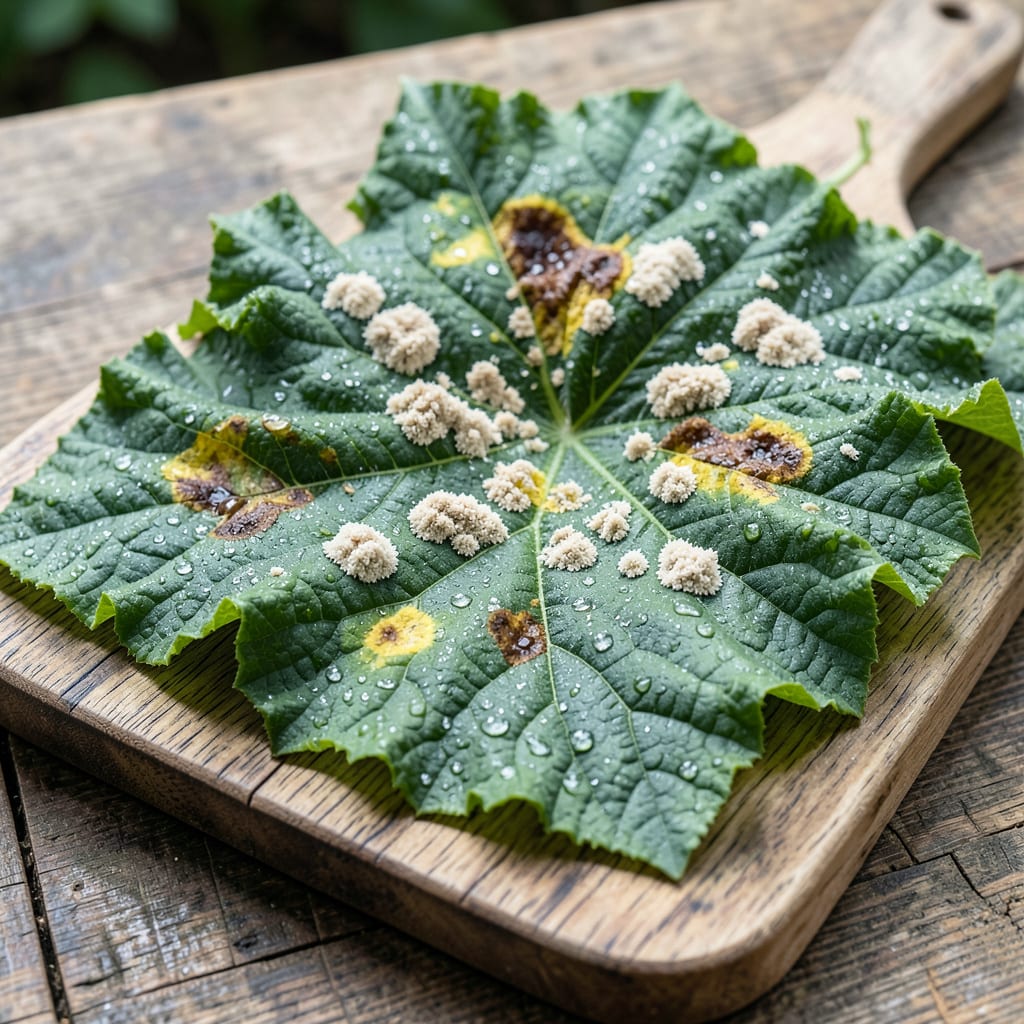
Spotted yellow leaves on your cucumbers last week. 🌱 This isn’t just bad luck—it’s usually a fungus moving in, and early action makes all the difference.
I’ve lost entire cucumber crops to powdery mildew before learning the simple cultural shifts that stop it cold. Proper spacing, drip irrigation, and morning watering cut fungus risk by 80% in my garden.
Organic treatments like baking soda sprays and neem oil work surprisingly well when caught early. The key is consistency—apply every 5-7 days until the problem’s gone.
Works for both container and in-ground plants. Here’s how to save your vines before the fungus spreads.
Fungus on cucumber leaves thrives under specific conditions, often tied to environmental and cultural factors. Understanding these triggers helps you prevent and manage outbreaks effectively. Below are the primary causes, explained with actionable insights.
Fungal spores germinate in wet, humid environments. Overwatering, frequent rain, or overhead irrigation leaves foliage damp for extended periods, creating ideal conditions for pathogens like Powdery Mildew (Podosphaera xanthii) or Downy Mildew (Pseudoperonospora cubensis). Poor airflow—common in dense plantings or greenhouses—exacerbates the problem by trapping moisture. Solution: Water at the base of plants in the morning, space vines 18–24 inches apart, and prune excess foliage to improve circulation.
Cucumber fungi prosper in moderate temperatures (60–80°F) with high humidity. Sudden drops in nighttime temperatures can cause leaf condensation, while daytime heat stress weakens plant defenses. For example, Anthracnose (Colletotrichum orbiculare) spreads rapidly in warm, wet conditions. Solution: Use row covers to stabilize temperatures and avoid planting in low-lying areas where cold air settles.
Fungal spores can overwinter in infected soil or on gardening tools, hitching a ride to new plants via splashing water or wind. Fusarium wilt (Fusarium oxysporum) and Verticillium wilt enter through roots, while Alternaria leaf blight (Alternaria cucumerina) spreads via contaminated debris. Solution: Rotate crops (avoid planting cucurbits in the same spot for 2–3 years), sterilize tools with 10% bleach solution, and remove diseased plant debris immediately.
Wetting the leaves during watering or rain provides a direct pathway for spores to adhere and infect. Downy mildew spores, for instance, require free water on leaf surfaces to germinate. Solution: Switch to drip irrigation or soaker hoses to keep foliage dry. If overhead watering is unavoidable, do it early in the day so leaves dry quickly in the sun.
Tackling fungal issues on cucumber leaves starts with identifying the cause and applying targeted fixes. Here’s how to restore your plants’ health:
Fungus thrives in soggy soil. Water at the base of the plant in the morning to allow foliage to dry quickly. Use drip irrigation or a soaker hose to avoid wetting the leaves. Ensure your soil has good drainage—amend heavy clay with compost or sand. Prevention tip: Mulch around plants to retain moisture without waterlogging.
Crowded plants trap humidity, creating a fungal playground. Thin out seedlings to space cucumbers 12–24 inches apart. Prune dense foliage to boost airflow, and stake or trellis vines to lift leaves off the ground. Prevention tip: Rotate crops annually to avoid buildup of pathogens in the soil.
For active infections, act fast with natural remedies:
High humidity encourages fungal growth. Water early in the day so leaves dry before evening. Use a dehumidifier in greenhouses or space plants farther apart outdoors. Prevention tip: Choose resistant varieties like ‘Diva’ or ‘Straight Eight’ cucumbers for humid climates.
💡 Pro tip: Always sterilize gardening tools with rubbing alcohol between uses to avoid spreading spores!
Early signs include white or yellow spots on upper leaves, often with a powdery texture. Leaves may curl or develop brown patches. Check undersides for grayish fuzz, a sign of downy mildew.
Yes, as long as the cucumbers themselves show no spots or rot. Wash them thoroughly before eating. Remove and destroy affected leaves to prevent spread.
For baking soda or neem oil sprays, apply every 5-7 days until the issue clears. Reapply after rain. Consistency is key for organic solutions.
Yes, many cucumber fungi can infect squash, melons, and pumpkins. Isolate affected plants and avoid overhead watering to minimize spread.
