
Beautiful Plants For Your Interior
Beautiful Plants For Your Interior
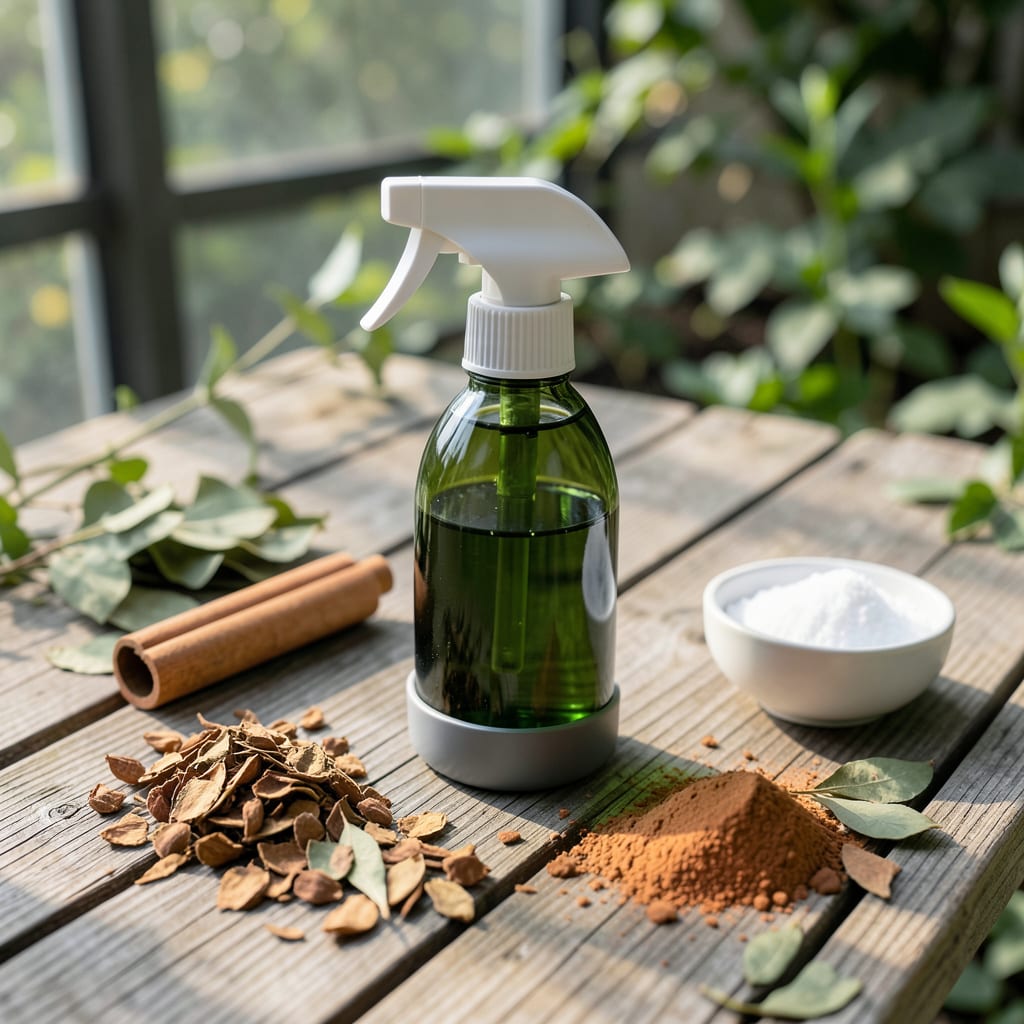
Stem rot hits hard when you least expect it. I’ve lost more than a few plants to that telltale wilting and blackened base, and it always feels like a gut punch after all the care you’ve put in.
Here’s the thing—it’s usually preventable. Copper-based fungicides create a protective barrier that stops fungal spores in their tracks, but timing and application matter just as much as the product itself.
You’ll see results within a week of treatment: stems firm up, new growth resumes, and that sickly yellowing starts to fade. The key is catching it early before it spreads underground.
Works for tomatoes, peppers, and most ornamentals. No fancy equipment required, just consistency and the right approach.
Stem rot is a devastating fungal disease that weakens plants from the inside out. Understanding its root causes helps you prevent and treat it effectively. Below are the primary reasons this infection takes hold.
Excess moisture is the #1 trigger for stem rot. Fungi like Phytophthora and Fusarium thrive in waterlogged soil, where oxygen is scarce. When roots sit in stagnant water, they suffocate, creating entry points for pathogens. Actionable fix: Use well-draining soil and pots with drainage holes to prevent soggy conditions.
Fungal spores spread rapidly in humid environments (above 80%) combined with warm temps (75–85°F). These conditions accelerate spore germination and infection. Greenhouses and crowded plantings are hotspots. Actionable fix: Improve airflow with fans or space plants farther apart to reduce humidity pockets.
Stem rot fungi can linger in infected soil or on unsterilized gardening tools (pruners, shovels). Even healthy plants can contract the disease if exposed to contaminated equipment. Actionable fix: Sterilize tools with rubbing alcohol and use fresh, disease-free potting mix for vulnerable plants.
Stressed plants—due to nutrient deficiencies, pest damage, or over-fertilization—have compromised immune systems. Fungi exploit these weaknesses to invade stems. Actionable fix: Maintain balanced nutrition and monitor for pests to keep plants resilient.
Stem rot can quickly turn a thriving garden into a wilting mess, but the right approach can save your plants. Below are targeted solutions for common causes, paired with prevention tips to keep your garden healthy long-term.
Soggy soil is a breeding ground for fungal pathogens. Fix it: Stop watering immediately and let the soil dry out. If the plant is in a pot, move it to a sunny, breezy spot. For in-ground plants, amend the soil with perlite or coarse sand to improve drainage. Consider repotting severely affected plants in fresh, well-draining soil.
Prevention tip: 💡 Water only when the top inch of soil is dry, and use pots with drainage holes. Raise garden beds to avoid waterlogging.
If stem rot is caused by fungi like Phytophthora or Fusarium, a copper-based fungicide is your best defense. Fix it: Remove infected stems with sterilized pruners, then spray the plant and surrounding soil with a copper fungicide, following label instructions. Repeat every 7–10 days until the issue resolves.
Prevention tip: 🌡️ Rotate crops yearly and avoid planting susceptible species in the same spot. Clean tools with rubbing alcohol between uses to prevent spreading spores.
Fungi can linger in soil, reinfecting new plants. Fix it: Remove and discard the top 2–3 inches of soil around affected plants, replacing it with fresh, sterile potting mix. For severe cases, solarize the soil by covering it with clear plastic for 4–6 weeks to kill pathogens.
Prevention tip: ✨ Use pasteurized soil for seedlings and avoid reusing soil from diseased plants.
Dense foliage traps moisture, encouraging fungal growth. Fix it: Thin out crowded stems and leaves to improve airflow. Space plants according to their mature size to reduce humidity buildup.
Prevention tip: 🎯 Stake tall plants to keep them upright and ensure good ventilation. Avoid overhead watering to keep foliage dry.
Apply every 7-10 days during active growth or wet seasons. For prevention, spray every 2-3 weeks. Always follow product label instructions for best results.
Baking soda or neem oil sprays may help mild cases, but they’re less effective than copper fungicides for advanced infections. Use as a supplement, not a replacement.
Apply in the early morning so foliage dries quickly. Avoid midday heat or evening applications, which can reduce effectiveness or promote fungal growth.
Copper fungicides are generally safe for pollinators when used as directed. Apply only to affected plants and avoid spraying open flowers.
