
Beautiful Plants For Your Interior
Beautiful Plants For Your Interior
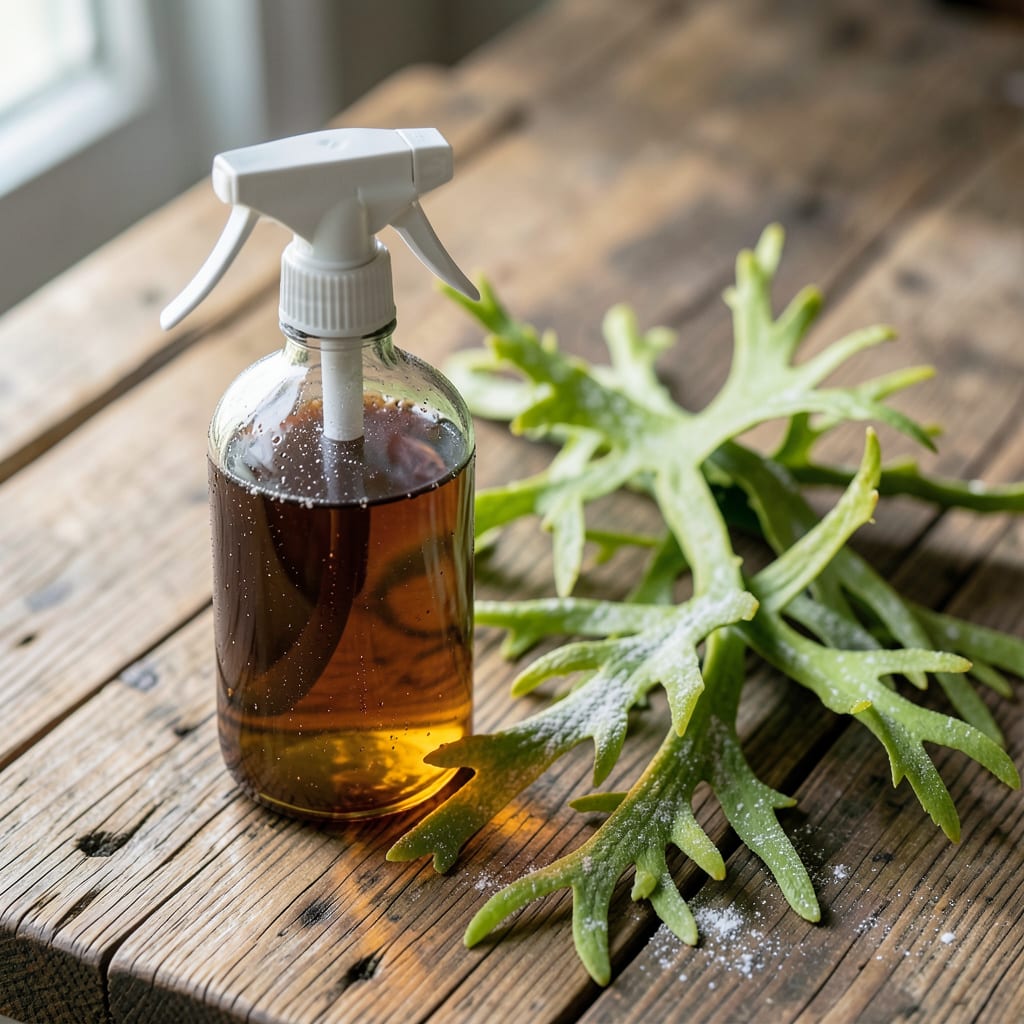
Brown spots on your staghorn fern are screaming for help. I’ve nursed several back from the brink using simple, organic solutions that work without harsh chemicals.
The key is catching it early—fungus spreads fast in the humid conditions these tropical plants love. A gentle spray of neem oil or copper fungicide stops the spread while protecting new growth.
Within 2-3 weeks, you’ll see fresh fronds unfurling, replacing the damaged ones. The plant’s natural resilience does the rest once you remove the fungal threat.
Works for mounted or potted staghorns, and prevents future outbreaks with better air circulation. Here’s exactly how to rescue yours.
Staghorn ferns (Platycerium spp.) are resilient, but fungal problems often arise due to specific environmental or cultural conditions. Here’s a breakdown of the most common causes:
Overwatering or poor drainage creates a damp environment ideal for fungal spores to thrive. Staghorn ferns absorb moisture through their fronds, but stagnant water in the mounting medium or soil can lead to root rot or leaf spot diseases. High humidity without proper airflow exacerbates the issue.
Crowded growing spaces or lacking ventilation trap moisture around the plant, promoting fungal growth. This is especially true in indoor settings where air stagnation is common. Anthracnose and powdery mildew often develop in such conditions.
Fungal spores can spread via unclean pruning tools, pots, or even other infected plants. Reusing contaminated mounting boards or soil without sterilization introduces pathogens directly to your staghorn fern.
Stressed ferns—due to improper light, nutrient deficiencies, or physical damage—are more susceptible to fungal infections. A weakened immune system reduces the plant’s ability to fend off spores naturally present in the environment.
Addressing these triggers early can prevent the need for heavy fungicide use later.
Staghorn ferns are hardy, but fungal problems can still take hold. Here’s how to tackle common issues with practical solutions and prevention tips to keep your fern thriving.
Cause: Fungal infections like Rhizoctonia or Phytophthora often discolor fronds.
Fix: Remove affected fronds with sterilized shears to prevent spread. Apply a copper-based fungicide (organic option) or neem oil spray weekly until the plant recovers. Ensure the fern is in a well-ventilated area with indirect light.
Prevention: Avoid overwatering—let the mounting medium dry slightly between waterings. Use a soil drench fungicide every 2-3 months as a preventive measure.
Cause: Root rot from excessive moisture or poor drainage.
Fix: Unmount the fern and trim away black, mushy roots with clean scissors. Soak the remaining healthy roots in a hydrogen peroxide solution (1 part 3% H₂O₂ to 4 parts water) for 10 minutes to kill fungus. Remount on fresh, dry sphagnum moss or a well-draining mix.
Prevention: Water only when the moss is dry to the touch. Ensure the mounting board has good airflow to prevent moisture buildup.
Cause: Powdery mildew or downy mildew thrives in humid, stagnant conditions.
Fix: Wipe down fronds with a baking soda solution (1 tsp baking soda + 1 quart water + a few drops of dish soap). For stubborn cases, use a sulfur-based fungicide. Increase air circulation with a gentle fan.
Prevention: Space ferns apart to reduce humidity. Water in the morning so fronds dry quickly.
Pro Tip 💡 Always sterilize tools and mounting materials to avoid reintroducing fungi. A little care goes a long way in keeping your staghorn fern lush and disease-free!
Apply copper fungicide or neem oil weekly until symptoms disappear, then monthly for prevention. Always spray in the morning so fronds dry quickly.
A baking soda solution (1 tsp per quart of water) works for mild cases. For severe infections, hydrogen peroxide soaks help, but commercial fungicides are most reliable.
Improve air circulation with a fan, avoid overwatering, and sterilize tools. Mount ferns on fresh sphagnum moss and space plants apart to reduce humidity.
Yes! Trim affected fronds with sterilized shears to stop the spread. Never compost infected plant material—dispose of it in sealed bags to prevent reinfection.
