
Beautiful Plants For Your Interior
Beautiful Plants For Your Interior
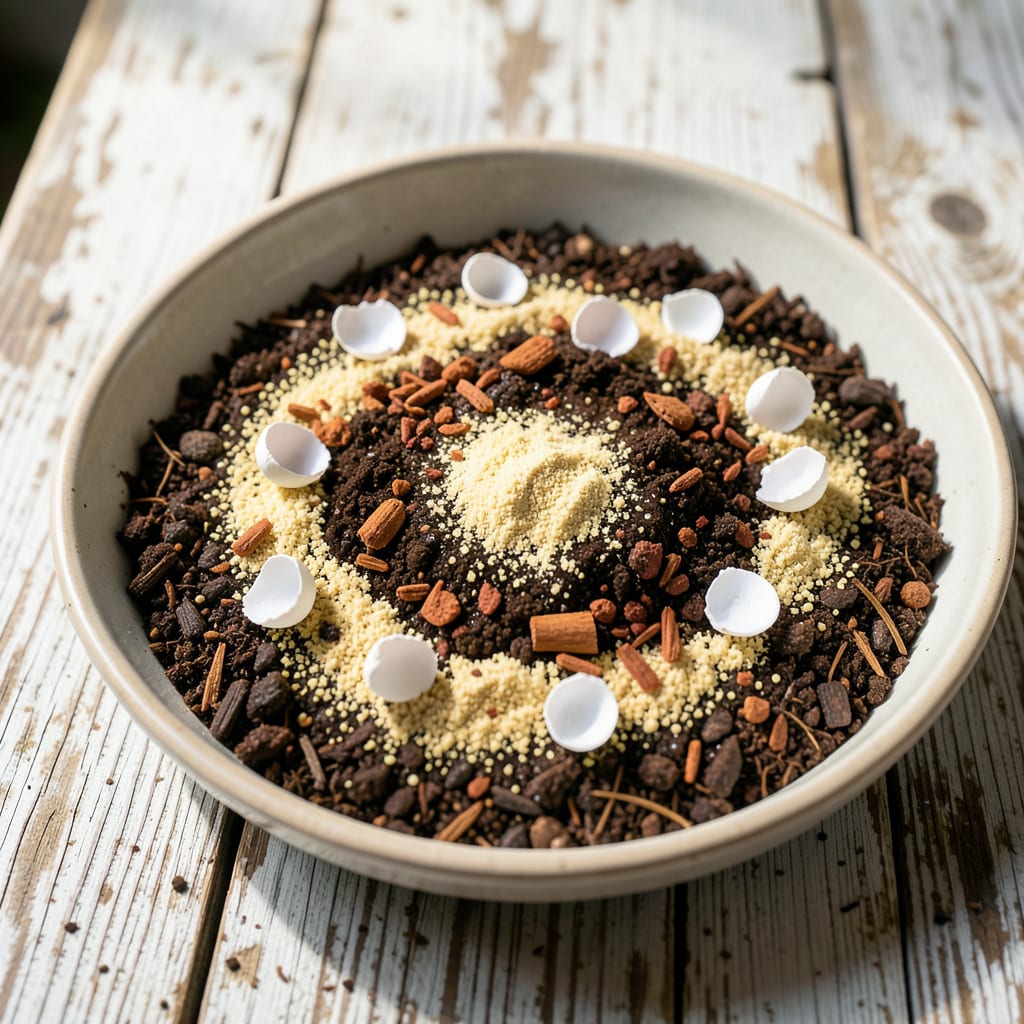
White spots on leaves, wilting stems – soil fungus steals the joy from gardening. I’ve battled this silent killer in my own beds, and the solution doesn’t require harsh chemicals.
Most gardeners don’t realize they’re overwatering or crowding plants, creating the perfect damp environment for fungus to thrive. The fix starts with 3 simple changes to your routine that prevent problems before they start.
You’ll see healthier plants within 2 weeks of implementing these natural methods. No more yellowing leaves or stunted growth – just vigorous plants that resist fungal attacks.
Works for vegetable gardens, flower beds, and container plants alike. Here’s how to reclaim your soil.
Soil fungus thrives due to a mix of environmental and biological factors. Understanding these causes helps you tackle the problem at its root. Here’s why it happens:
Overwatering or poor drainage creates a damp environment where fungal spores multiply rapidly. Fungi like Phytophthora and Pythium flourish in waterlogged soil, attacking plant roots and stems. Actionable tip: Ensure proper drainage and avoid overwatering to starve these pathogens.
Fungi thrive in warm (70–85°F) and humid climates, especially in densely planted areas with poor airflow. These conditions accelerate spore germination and spread. Actionable tip: Space plants adequately and use mulch to regulate soil temperature and moisture.
Soil lacking organic matter or beneficial microbes is more susceptible to fungal invasions. Weak soil structure and low microbial diversity allow pathogens like Fusarium to dominate. Actionable tip: Amend soil with compost or biochar to boost microbial activity and suppress harmful fungi.
Fungal spores can spread via infected tools, shoes, or even compost. Reusing contaminated pots or gardening equipment introduces pathogens to healthy soil. Actionable tip: Sterilize tools with a 10% bleach solution and use clean, high-quality compost.
Synthetic fertilizers disrupt soil pH and microbial balance, creating an ideal habitat for opportunistic fungi. Excess nitrogen, in particular, can soften plant tissues, making them more vulnerable. Actionable tip: Opt for organic fertilizers and test soil pH regularly to maintain a balanced environment.
Soil fungus can wreak havoc on your garden, but with the right approach, you can restore health to your plants. Below are targeted solutions for common causes, along with prevention tips to keep your soil fungus-free.
If water pools in your garden, it creates the perfect breeding ground for fungus. Fix it by amending the soil with organic matter like compost or sand to enhance drainage. Raised garden beds can also help prevent waterlogging.
Prevention tip: 💡 Avoid overwatering—stick to a consistent schedule and use drip irrigation to deliver water directly to the roots.
When plants are too close together, air circulation is restricted, and moisture gets trapped. Fix it by thinning out crowded areas to allow airflow. Prune dense foliage to reduce humidity around plants.
Prevention tip: 🎯 Follow spacing guidelines on seed packets or plant tags to give each plant room to thrive.
If fungus has already taken hold, act fast. Fix it by applying a copper-based fungicide or natural options like neem oil or baking soda spray (1 tbsp baking soda + 1 gallon of water + a drop of dish soap). For severe cases, solarization—covering soil with clear plastic to trap heat—can kill off fungus.
Prevention tip: ✨ Rotate crops yearly to disrupt fungus life cycles and avoid replanting the same species in the same spot.
Stressed or malnourished plants are more susceptible to fungal infections. Fix it by fertilizing with a balanced, organic fertilizer to strengthen plant health. Ensure plants receive adequate sunlight and nutrients.
Prevention tip: 🌡️ Test your soil regularly to monitor pH and nutrient levels, adjusting as needed to keep plants resilient.
For neem oil or baking soda spray, apply every 7-10 days until the issue resolves. Reapply after heavy rain. Prevention is key, so continue monthly during warm, humid months.
Yes, but dilute it to 1 part vinegar to 4 parts water to avoid harming plants. Test on a small area first, as undiluted vinegar can damage soil pH and plant roots.
Yes, solarization kills most soil organisms, both harmful and beneficial. Use it only for severe infestations, and follow up with compost to reintroduce healthy microbes.
Apply in the early morning or late evening to prevent rapid evaporation. Avoid midday heat, which can scorch plants and reduce effectiveness. Avoid watering for 24 hours after application.
