
Beautiful Plants For Your Interior
Beautiful Plants For Your Interior
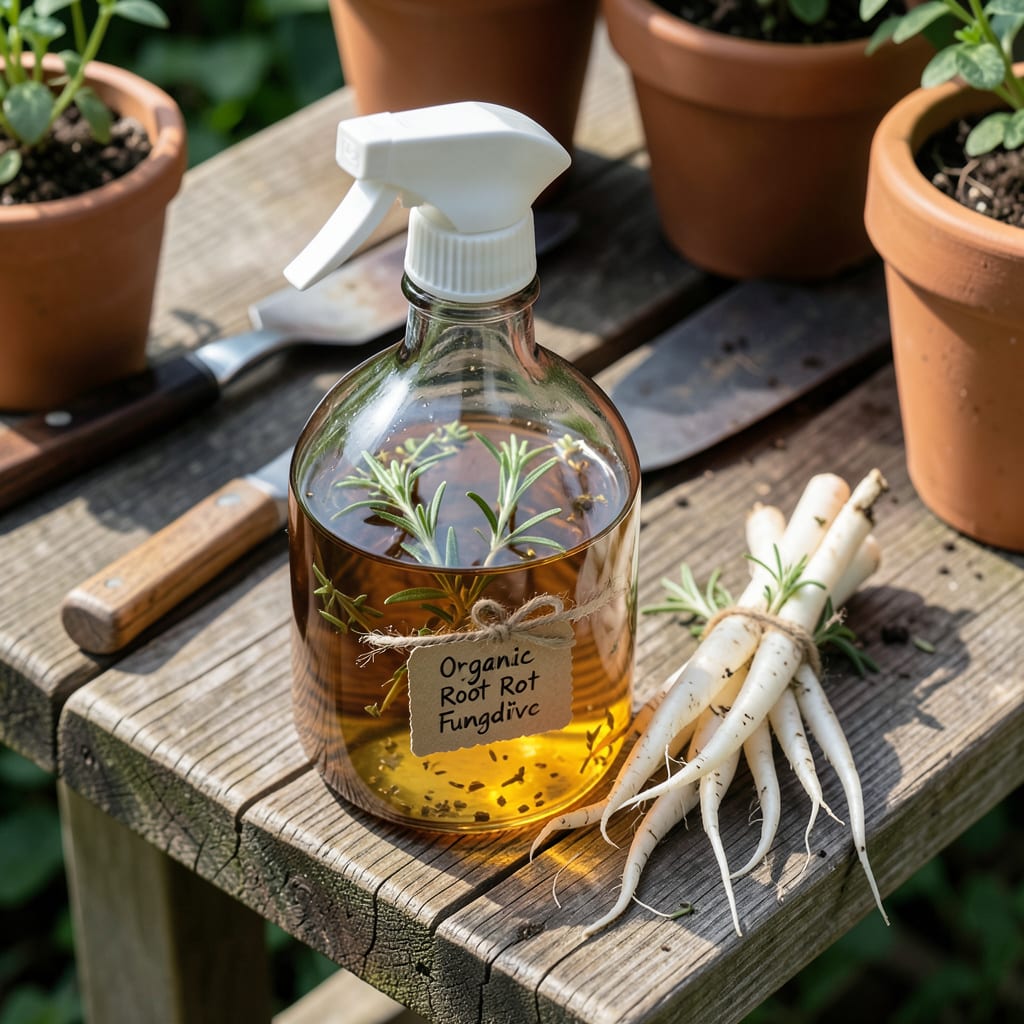
Your plant’s sad, yellow leaves might not be a lost cause. Root rot sneaks in through overwatering or poor drainage, but I’ve brought wilting plants back to life with the right organic treatment.
Most gardeners don’t realize the first sign is often a foul smell from the soil—not just droopy foliage. Catching it early means you can still save the roots with a simple fungicide and better care habits.
Within 2-3 weeks of treatment, you’ll see new growth and firmer stems. The key is stopping the rot’s spread while giving roots a chance to recover in fresh, well-draining soil.
Works for houseplants, garden beds, or containers. Here’s how to turn the tide before it’s too late.
Root rot doesn’t appear out of nowhere—it thrives under specific conditions that weaken your plants and invite fungal or bacterial invaders. Understanding these triggers helps you prevent the problem before it starts.
Excess moisture is the #1 cause of root rot. When soil stays soggy, roots can’t access oxygen, creating an anaerobic environment perfect for pathogens like Phytophthora, Pythium, or Fusarium. Compacted or clay-heavy soil worsens this by trapping water around the roots.
Fungal spores and bacteria can linger in reused potting mix, garden beds, or unsterilized tools. If you’ve had root rot before, the pathogens may still be present, ready to infect new plants. Always use fresh, sterile soil for vulnerable species and disinfect pruners or pots between uses.
Fungi love heat and humidity. Temperatures between 75–85°F (24–29°C) combined with high moisture accelerate spore germination and spread. Greenhouses, terrariums, or outdoor gardens in tropical climates are especially at risk without proper airflow.
Plants under stress—from nutrient deficiencies, pests, or transplant shock—have lower resistance to infections. Damaged roots (e.g., from rough handling) also provide easy entry points for pathogens. Keep plants healthy with balanced fertilizer and gentle care.
Root rot doesn’t have to be a death sentence for your plants. With the right approach, you can treat the infection and nurse your greens back to health. Below are targeted solutions based on the most common causes, along with prevention tips to keep your garden thriving.
If soggy soil is the culprit, stop watering immediately and let the top 1-2 inches of soil dry out. Repot the plant in fresh, well-draining potting mix (add perlite or sand for aeration). Ensure pots have drainage holes, and use a saucer to catch excess water—empty it after 30 minutes. For severe cases, trim black, mushy roots with sterilized scissors before repotting.
For fungal root rot, organic fungicides like neem oil or copper-based sprays work wonders. Mix as directed and drench the soil (not just the leaves) to reach the roots. Hydrogen peroxide (3% solution) can also help: mix 1 tablespoon per cup of water and water the plant to oxygenate the roots and kill fungus. Repeat every 5-7 days until recovery.
💡 Pro Tip: Rotate fungicides to prevent resistance, and always apply in the early morning or late evening to avoid leaf burn.
Stagnant air encourages fungal growth. Move potted plants to a breezy spot or use a small fan to improve circulation. For garden beds, thin out overcrowded plants to allow airflow. Avoid over-mulching, which can trap moisture—opt for a thin layer of organic mulch like straw instead.
Apply every 5-7 days until the plant recovers. For prevention, treat soil monthly during warm, humid seasons. Always follow the product’s specific instructions.
Yes! Mix 1 tablespoon of 3% hydrogen peroxide per cup of water and drench the soil. This oxygenates roots and kills fungus without harsh chemicals.
Neem oil and copper-based sprays are highly effective. For severe cases, try a bacillus subtilis product to outcompete harmful fungi.
It helps, but trim black, mushy roots first and repot in fresh soil. Fungicide alone can’t save roots that have already rotted completely.
