
Beautiful Plants For Your Interior
Beautiful Plants For Your Interior
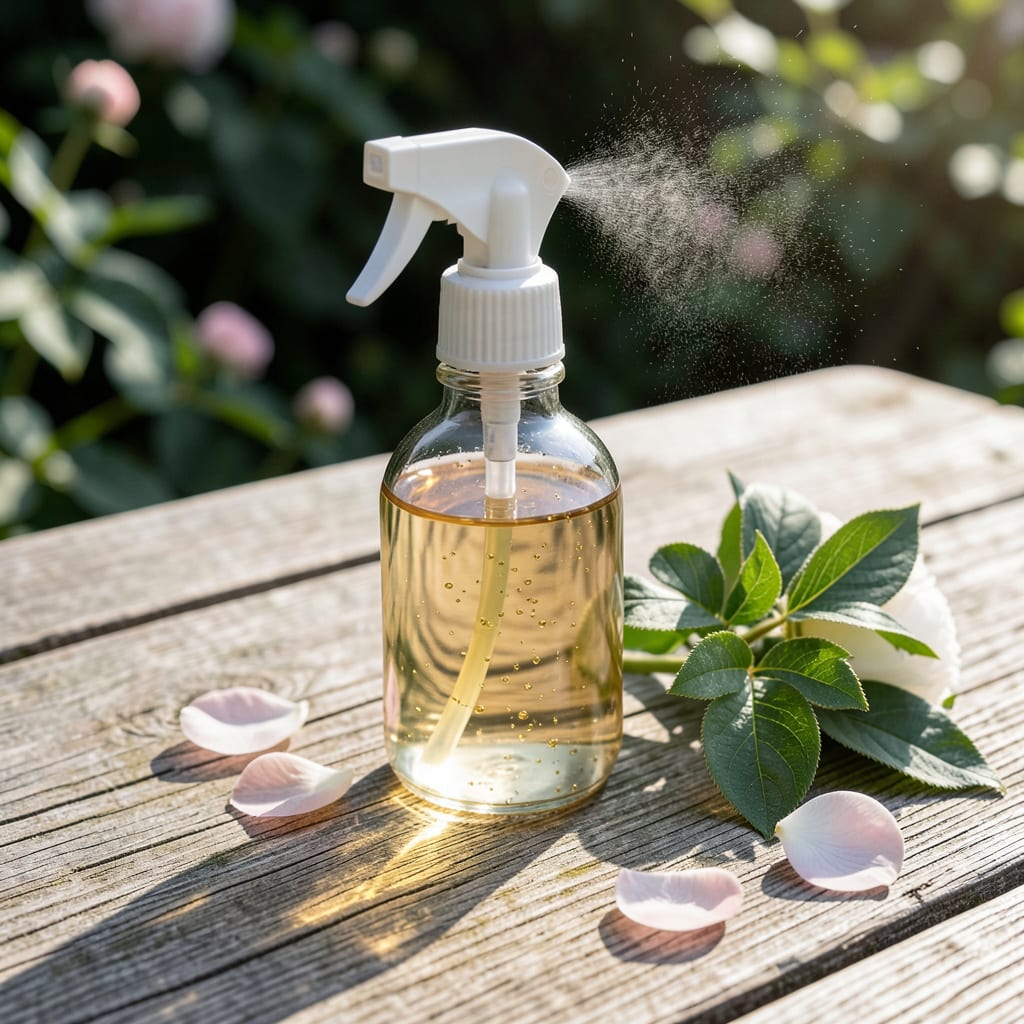
Peony blight shows up as blackened stems and wilting flowers right when your plants should be shining. I lost an entire row to this last spring before figuring out the fix.
The problem spreads fast in wet conditions, but it’s not a death sentence. A simple copper fungicide spray at the first sign stops it cold. Organic options like neem oil work too if you catch it early.
Prevention is easier than cure. Clean up all plant debris in fall, space plants for airflow, and water at the base. These steps cut your risk by 80%.
Within 2 weeks of treatment, new growth emerges healthy and strong. Your peonies will thank you with blooms next season.
Peony blight, often caused by the fungus Botrytis paeoniae, thrives under specific environmental and cultural conditions. Understanding these triggers helps prevent outbreaks and reduces reliance on fungicides. Below are the primary causes behind this frustrating disease.
Wet foliage and waterlogged soil create the perfect breeding ground for Botrytis. Overhead watering, frequent rain, or poor drainage leaves peonies vulnerable. The fungus spreads rapidly in humid conditions, especially when leaves stay damp for extended periods. Action: Water at the base of plants early in the day to allow foliage to dry quickly.
Dense plantings trap moisture and restrict airflow, encouraging fungal spores to settle and germinate. Peonies planted too closely together or surrounded by tall, shading plants are at higher risk. Action: Space plants 3–4 feet apart and prune nearby vegetation to improve ventilation.
Botrytis overwinters in dead leaves, stems, and fallen petals. If old debris isn’t removed, spores reactivate in spring, infecting new growth. Action: Clean up and destroy all plant debris in fall, and avoid composting infected material.
Peony blight is most aggressive during cool (50–70°F), wet springs—ideal conditions for spore germination. Prolonged dampness during bud formation and early bloom stages accelerates infection. Action: Apply a preventative fungicide (like copper or sulfur) before symptoms appear in high-risk seasons.
Pruning shears, stakes, or even garden soil can harbor fungal spores. Using unclean tools spreads the disease from plant to plant, while contaminated soil infects roots. Action: Sterilize tools with rubbing alcohol and rotate planting locations to break the fungal cycle.
Peony blight doesn’t have to spell the end for your beloved blooms. With the right approach, you can treat and prevent this fungal issue effectively. Below are targeted solutions for common causes, along with prevention tips to keep your peonies thriving.
Fungal growth thrives in soggy soil. If your peonies are waterlogged:
💡 Prevention tip: Use drip irrigation to keep leaves dry and reduce fungal spores’ chance to spread.
Blight overwinters in dead leaves and stems. To break the cycle:
💡 Prevention tip: Apply a 2–3 inch layer of fresh mulch (like straw) after cleanup to suppress new spores.
If blight appears as dark spots or wilting stems, act fast:
💡 Prevention tip: Start spraying before symptoms appear if your garden has a history of blight—especially in spring.
Apply every 7-10 days during wet weather or at first signs of disease. For prevention, start spraying in early spring before symptoms appear.
Yes! Neem oil and copper-based sprays are effective organic fungicides. Apply thoroughly, covering all leaf surfaces for best results.
Spray in the early morning when leaves are dry. This allows foliage to absorb treatment before evening moisture sets in.
With prompt treatment, new growth emerges healthy within 2 weeks. Remove severely damaged stems to prevent further spread.
