
Beautiful Plants For Your Interior
Beautiful Plants For Your Interior
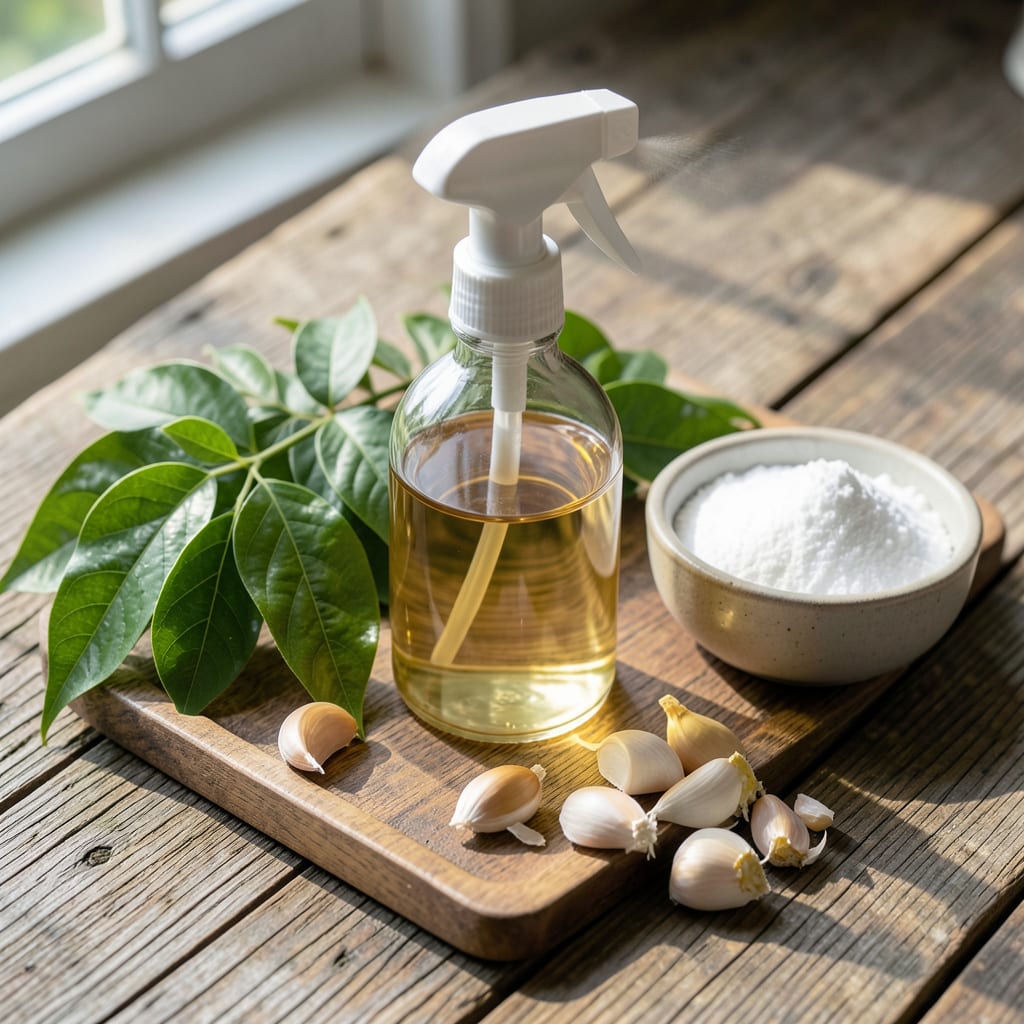
White fuzzy spots on leaves last week nearly ruined my entire basil crop. Mold on plants spreads fast, but catching it early means you can turn things around before the damage becomes irreversible.
I learned the hard way that prevention beats treatment every time. Proper airflow, consistent watering, and the right fungicide application stop mold before it starts. The organic options work surprisingly well if you apply them at the first sign of trouble.
Within 48 hours of treating with a copper-based spray, my plants showed visible improvement. The key is covering both sides of the leaves and repeating the application after rain or heavy watering.
Works for indoor and outdoor plants, from houseplants to vegetable gardens. Here’s what you need to know to protect your greenery.
Mold on plants is often a sign of underlying environmental or biological issues. Understanding the root causes helps you address the problem effectively and prevent recurrence.
High humidity and poor drainage create the perfect breeding ground for mold. When water lingers on leaves or soil, fungal spores thrive. Overwatering or lack of proper airflow exacerbates this, especially in greenhouses or densely planted areas.
Warm, damp conditions (60–80°F) accelerate fungal growth. Conversely, sudden temperature drops can stress plants, weakening their defenses. Mold often appears in spring or fall when fluctuating weather patterns trap moisture.
Stagnant air prevents moisture from evaporating, allowing mold to settle on leaves and stems. Crowded plants or indoor setups without ventilation are particularly vulnerable. Even a gentle breeze or fan can disrupt spore development.
Over-fertilizing, especially with nitrogen-rich products, can soften plant tissues, making them more susceptible to fungal infections. Conversely, nutrient-deficient plants may lack the strength to resist mold naturally.
Fungal spores can hitch a ride on dirty gardening tools, pots, or infected soil. Reusing contaminated equipment without sterilization spreads mold quickly. Always disinfect tools and use fresh, well-draining soil to minimize risk.
Mold on plants can often be tackled with the right approach. Below are practical solutions mapped to common causes, along with prevention tips to keep your garden healthy.
If excess moisture is the culprit, reduce watering frequency and ensure pots have drainage holes. Water at the base of the plant to keep leaves dry. Prevention tip: 💡 Use a moisture meter to avoid overwatering.
Stagnant air encourages mold growth. Space plants apart and prune dense foliage to allow airflow. For indoor plants, use a small fan on low. Prevention tip: 🌡️ Place plants in breezy areas or near open windows.
Decaying leaves or mulch can harbor mold. Remove dead plant material and clear fallen debris. Replace old mulch with fresh, sterile layers. Prevention tip: ✨ Keep garden beds tidy to discourage spores.
For active mold, spray affected areas with baking soda solution (1 tsp baking soda + 1 quart water + a few drops of soap) or neem oil. Reapply every 7–10 days. Prevention tip: 🎯 Rotate treatments to prevent resistance.
Stressed plants are mold magnets. Boost health with balanced fertilizer and proper sunlight. Avoid over-fertilizing, which can soften growth. Prevention tip: 💪 Use compost tea for a natural immunity boost.
Consistency is key—address issues early, and your plants will thrive mold-free!
Apply every 7-10 days for active infections, or after rain. For prevention, treat every 2-3 weeks. Always follow product instructions, as frequency varies by type.
Yes! A baking soda solution (1 tsp per quart of water) or neem oil works well for mild cases. Add a drop of dish soap to help it stick to leaves.
Stick to organic fungicides like copper soap or sulfur-based sprays. These break down safely and won’t harm plants you plan to eat.
Recurring mold often means poor airflow or excess moisture. Improve ventilation and adjust watering habits to tackle the root cause.
