
Beautiful Plants For Your Interior
Beautiful Plants For Your Interior
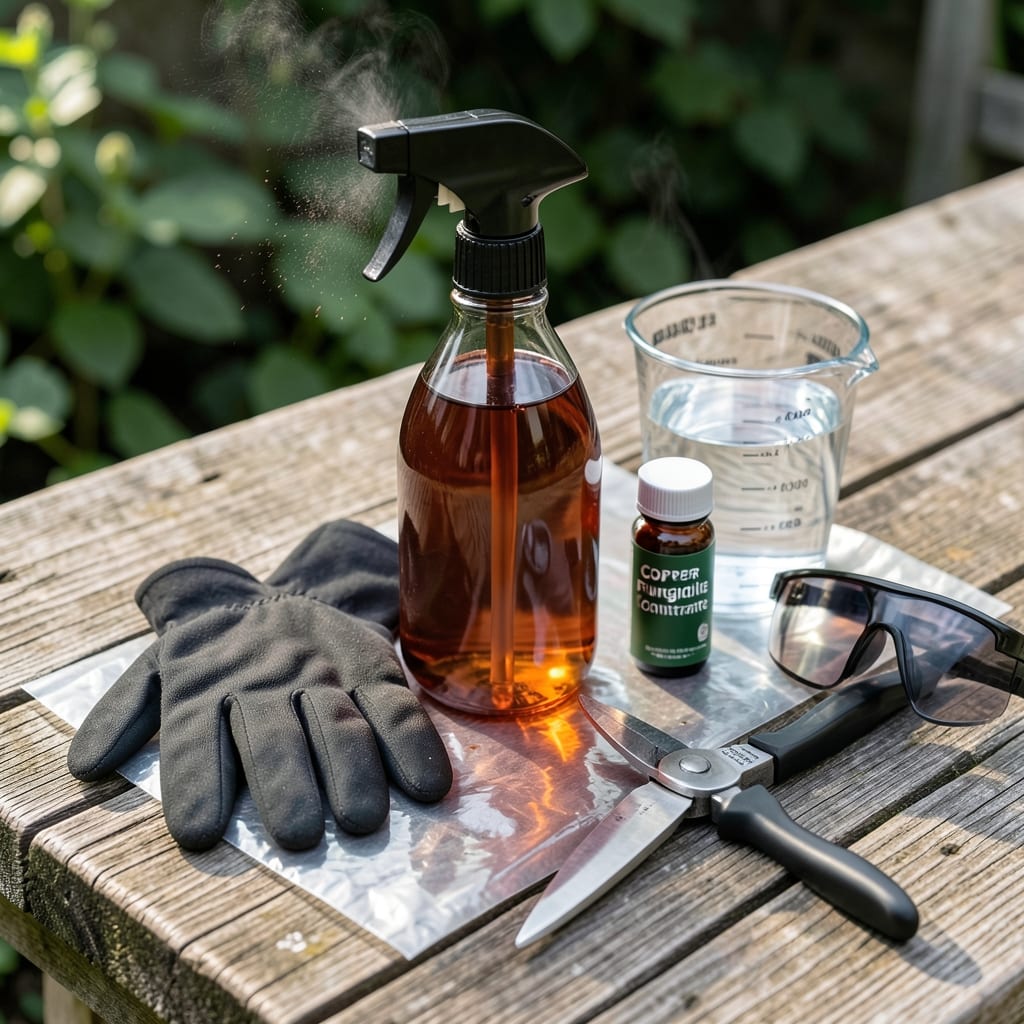
Those ugly brown spots on your geranium leaves aren’t sunburn—they’re rust. I spotted my first case three summers ago and nearly lost an entire bed before figuring out the fix.
Copper fungicide stops the spread fast, but timing and coverage matter. You’ll see new growth within days of treatment, and the plants bounce back stronger when you catch it early.
Short list. Stops rust fast. Most of this is already in your shed.
| Ingredient | Amount | Notes |
|---|---|---|
| Copper Fungicide Concentrate 🧪 | 1 quart | Liquid copper sulfate formula |
| Spray Bottle 💦 | 1 piece | Adjustable nozzle preferred |
| Garden Gloves 🧤 | 1 piece | Chemical-resistant material |
| Pruning Shears ✂️ | 1 piece | For removing infected leaves |
| Water 💧 | 1 gallon | For diluting concentrate |
| Protective Eyewear 👓 | 1 piece | Safety goggles recommended |
| Plastic Sheet 📋 | 1 piece | To cover surrounding plants |
| Measuring Cup 🪣 | 1 piece | For accurate dilution |
[recipeingredientscaler]
Copper fungicide is widely available at garden centers and Home Depot. Look for liquid copper sulfate (the active ingredient) and avoid dust formulations—they don’t stick to leaves as well. Bonide and Southern Ag are reliable brands I’ve used for years.
No spray bottle? A pump sprayer works even better for larger beds. If you’re out of gloves, any waterproof pair will do (the good stuff, not the flimsy dollar-store kind). For eyewear, regular sunglasses work in a pinch but aren’t ideal.
Store leftover concentrate in a cool, dry place—it lasts 2-3 years. Keep it away from pets and kids. I label my spray bottles with the mix date so I’m not guessing if it’s still effective.
This method stops fungal spots fast and protects healthy growth without harsh chemicals.
Lay the 1 piece plastic sheet on the ground beneath the affected geraniums to catch any drips or fallen leaves. Put on the 1 piece protective eyewear and 1 piece garden gloves—copper fungicide can irritate skin and eyes, so safety gear is non-negotiable.
Check the weather before you start. You need 24-48 hours of dry conditions after application for the fungicide to work effectively. Windy days can cause spray drift, so pick a calm morning when temperatures are between 60-85°F.
Using the 1 piece measuring cup, measure 4 ounces of the 1 quart copper fungicide concentrate into the 1 piece spray bottle. Add 1 gallon water slowly while swirling the bottle to blend thoroughly. This dilution ratio gives you the right strength to combat rust without harming the plants.
Test the spray nozzle on a scrap piece of the 1 piece plastic sheet first. You want a fine, even mist—not a heavy stream that will knock leaves off. Shake the bottle gently before each use to keep the copper particles suspended.
With the 1 piece pruning shears, remove all leaves showing rust spots or yellowing. Cut at the base of the leaf stem where it meets the main plant. Disinfect the shears between cuts by wiping the blades with a cloth dampened with rubbing alcohol to prevent spreading the fungus.
Dispose of the infected leaves in a sealed bag—don’t compost them, as the fungus can survive and reinfect your garden. This step is critical; the fungicide works best on clean plants, so removing the worst of the infection gives it a fighting chance.
Hold the 1 piece spray bottle 12-18 inches from the plant and apply the solution until all leaf surfaces are evenly coated, including the undersides where rust often starts. Work from the top down to ensure full coverage without missing spots.
Watch for drips—if you see the solution pooling on leaves or the soil, you’ve used too much. A light, even coating is all you need. Reapply every 7-10 days or after rain, as copper fungicide washes off easily.
Check your geraniums daily for new rust spots. You should see improvement within 7-14 days—existing spots will stop spreading, and new growth should emerge clean. If the fungus persists, repeat the pruning and spraying process.
Always clean your tools after use. Rinse the 1 piece spray bottle with water and store it empty to prevent corrosion. The 1 piece pruning shears should be wiped down and oiled to keep them sharp and rust-free for next time.
When using fungicides like copper-based treatments for geranium rust, ensure your diet remains keto-compliant by avoiding high-carb additives. Opt for organic, sugar-free products and check labels for hidden sugars or fillers.
Most fungicides are gluten-free, but cross-contamination can occur during manufacturing. Choose certified gluten-free brands to avoid trace amounts. Always verify with the manufacturer if unsure.
Copper-based fungicides may contain allergens like sulfates or other compounds. Review ingredient lists carefully, especially if you have sensitivities to metals or chemical additives.
For vegetarians, focus on plant-derived fungicides like neem oil or baking soda solutions. Copper fungicides are typically vegetarian-friendly, but confirm no animal-derived additives are present.
Some fungicides may include sodium-based compounds. Select low-sodium or sodium-free alternatives to align with dietary restrictions. Always check the product’s nutritional or safety data sheet.
