
Beautiful Plants For Your Interior
Beautiful Plants For Your Interior
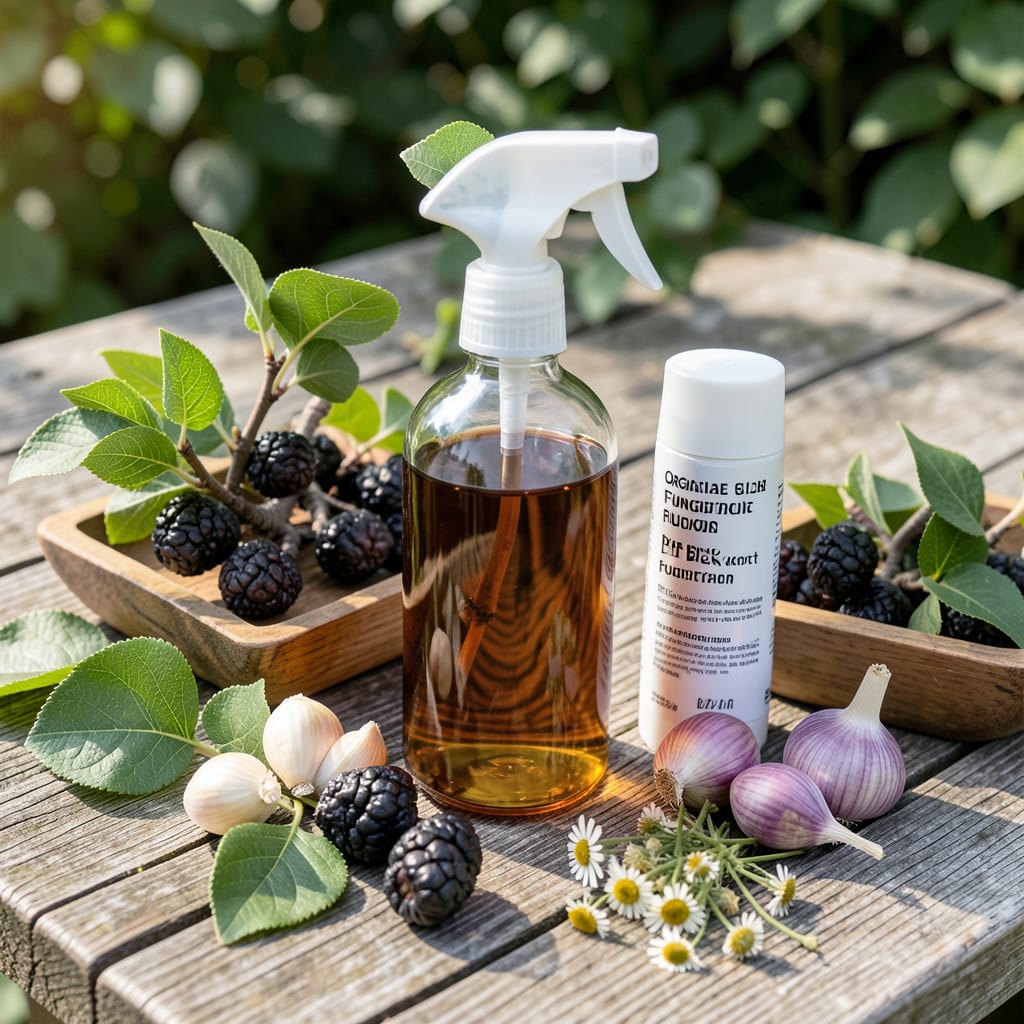
That ugly black growth on your plum tree isn’t just unsightly—it’s suffocating the branches. I first spotted black knot on my neighbor’s tree, then found it creeping into mine last spring. It spreads fast if left unchecked.
Copper fungicide stops it cold, but timing is everything. You’ll need to spray before buds swell in early spring, then repeat every 10-14 days during wet weather. The key is thorough coverage—get every gnarled swelling and the surrounding healthy bark.
Prune out the worst infections in late winter while the tree’s still dormant. Sterilize your tools between cuts, and burn or bag the diseased wood—never compost it. This one-two punch saves trees that look beyond hope.
Regular treatment keeps your plums productive and your yard from becoming a spore factory for the whole neighborhood. Here’s how to reclaim your trees.
Black knot fungus, caused by Apiosporina morbosa, thrives under specific environmental and biological conditions. Understanding these triggers helps in prevention and targeted treatment with fungicides like copper-based sprays.
The fungus spreads most aggressively during prolonged wet periods, especially in spring. Rain, dew, or overhead irrigation provide the moisture needed for spores to germinate and infect plum trees. Temperatures between 55–75°F (13–24°C) further accelerate spore production and disease development.
Plum and cherry trees (particularly Prunus species) are primary targets. The fungus overwinters in infected wood, releasing spores in spring to reinfect the same tree or nearby hosts. Poorly pruned or stressed trees with open wounds are especially vulnerable to infection.
Dense canopies or crowded plantings trap moisture and limit airflow, creating an ideal microclimate for black knot. Pruning to improve ventilation reduces humidity around branches, slowing spore germination and spread.
Spores cling to pruning tools, fallen leaves, or unremoved galls (the fungus’s characteristic black growths). Failing to sterilize tools or clear infected debris between cuts can inadvertently spread the pathogen to healthy tissue.
Black knot fungus can be stubborn, but with the right approach, you can reclaim your plum trees’ health. Below are targeted solutions based on the cause, along with prevention tips to keep the problem from returning.
If you spot small, dark swellings on branches, act fast. Prune infected limbs at least 4–6 inches below the knot during dry weather to prevent spores from spreading. Burn or dispose of the cut material—never compost it. Sterilize tools with rubbing alcohol between cuts to avoid contamination.
For larger infections, apply a copper-based fungicide (like Bordeaux mixture) during dormancy (late winter or early spring). Repeat every 7–10 days until buds swell. If the fungus persists, add a second spray in fall after leaf drop. Always follow label rates—overuse can harm trees.
Pro tip 💡: Use a spreader-sticker additive to help the spray cling to bark.
Fungus thrives in wet, crowded conditions. Improve airflow by thinning branches and spacing trees at least 10–15 feet apart. Remove fallen leaves and debris, as they can harbor spores. Water at the base—not overhead—to keep foliage dry.
Remember 🎯: Consistency is key—combine pruning, fungicides, and sanitation for the best results.
Apply copper fungicide in late winter before buds swell, as this is when spores are most active. A second application in early spring helps protect new growth.
Yes, lime sulfur or neem oil can work, but they’re less effective than copper. For best results, apply organic options every 7-10 days during wet seasons.
Prune infected branches 4-6 inches below the knot and sterilize tools between cuts. Remove all fallen debris and avoid overhead watering.
Apply fungicide immediately and repeat every 10-14 days until conditions dry out. Focus on thorough coverage of all branches.
