
Beautiful Plants For Your Interior
Beautiful Plants For Your Interior
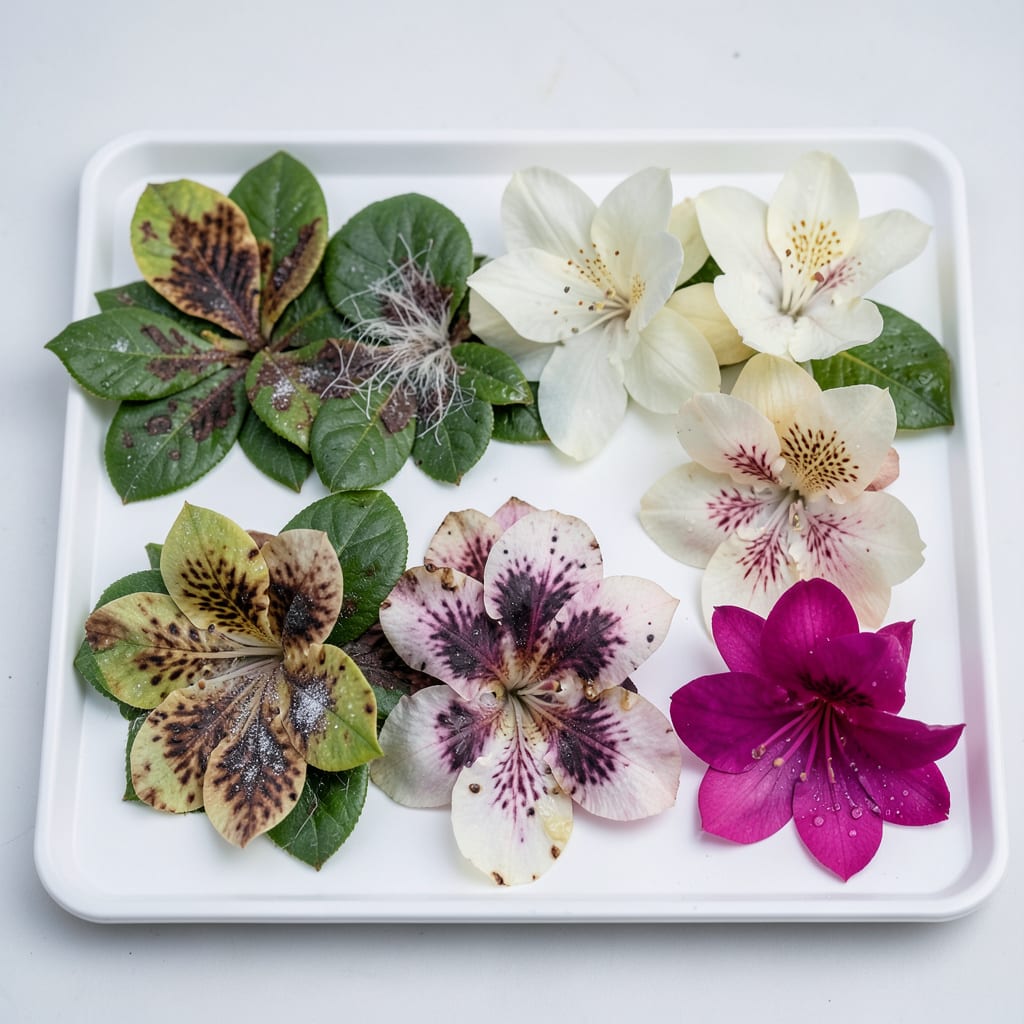
Brown spots on your azalea leaves aren’t just ugly—they’re a red flag. 🌿 I’ve seen too many gardeners lose entire shrubs to fungal diseases that could have been stopped early. The key is recognizing the patterns before they spread.
Leaf gall looks like thick, fleshy growths, while petal blight turns flowers to mush overnight. Powdery mildew creates that telltale white dusting. Each has its own signature, and knowing them means you can act fast with the right treatment.
Most fungal issues start with poor air circulation or overhead watering. Fix those two things and you’ve already won half the battle. The rest comes down to timely intervention with organic fungicides or proper pruning.
Your azaleas can bounce back—even from severe infections—if you catch it early. Here’s how to spot the trouble and turn it around.
Fungal diseases in azaleas often arise due to a combination of environmental stress and poor cultural practices. Understanding the root causes helps you prevent and manage these issues effectively.
Overwatering or prolonged wet foliage creates the perfect breeding ground for fungi like Phytophthora and Cercospora. These pathogens thrive in damp conditions, especially when leaves stay wet for 6+ hours. Poor drainage or overhead irrigation worsens the problem.
Azaleas planted too closely together or in shaded, stagnant areas suffer from reduced air circulation. High humidity (above 80%) encourages fungal spores to germinate and spread. Prune for better airflow and space plants appropriately.
Fungal spores can linger in infected soil or on unsterilized gardening tools. Reusing pots or tools without cleaning can transfer pathogens like Rhizoctonia to healthy plants. Always sanitize tools with a 10% bleach solution.
Stressed azaleas—due to nutrient deficiencies, improper pH (ideal: 4.5–6.0), or root damage—are more susceptible to fungal attacks. Maintain balanced fertility and avoid over-fertilization, which can soften tissues and invite disease.
Fungal diseases can wreak havoc on your azaleas, but don’t worry—there are simple, effective ways to tackle each issue. Below are targeted solutions for common fungal problems, along with prevention tips to keep your plants thriving.
If you spot white, powdery spots on leaves, prune affected areas and thin out dense foliage to boost air circulation. Apply a baking soda spray (1 tbsp baking soda + 1 tsp dish soap + 1 gallon water) every 7–10 days. Prevent it: Space plants properly and water at the base to avoid wet leaves.
Brown or black spots with yellow halos? Remove infected leaves immediately and dispose of them (don’t compost!). Spray with a copper fungicide or neem oil weekly until symptoms disappear. Prevent it: Avoid overhead watering and keep the garden bed clean of debris.
Wilting, yellowing, or mushy roots signal root rot. Dig up the plant, trim blackened roots, and repot in fresh, well-draining soil. Reduce watering frequency and ensure pots have drainage holes. Prevent it: Use raised beds or containers if drainage is poor.
Spotted or mushy flowers? Pick off affected blooms and apply a systemic fungicide during bud formation. Prevent it: Rake up fallen petals and avoid late-evening watering to reduce moisture.
Pro tip 💡: Always sterilize pruning tools with rubbing alcohol between cuts to avoid spreading spores. Healthy azaleas start with good hygiene and consistent care!
Powdery mildew appears as white, dusty patches on leaves, while leaf spot shows brown or black spots with yellow edges. Check undersides of leaves for mildew’s fuzzy growth.
Remove infected leaves immediately and apply a copper fungicide or neem oil. Avoid overhead watering to prevent further spores from spreading.
Yes, if caught early. Trim blackened roots, repot in fresh soil, and reduce watering. Ensure containers have drainage holes to prevent recurrence.
Late-evening watering or fallen petals left on soil encourage spores. Rake debris and water at the base in the morning instead.
