
Beautiful Plants For Your Interior
Beautiful Plants For Your Interior
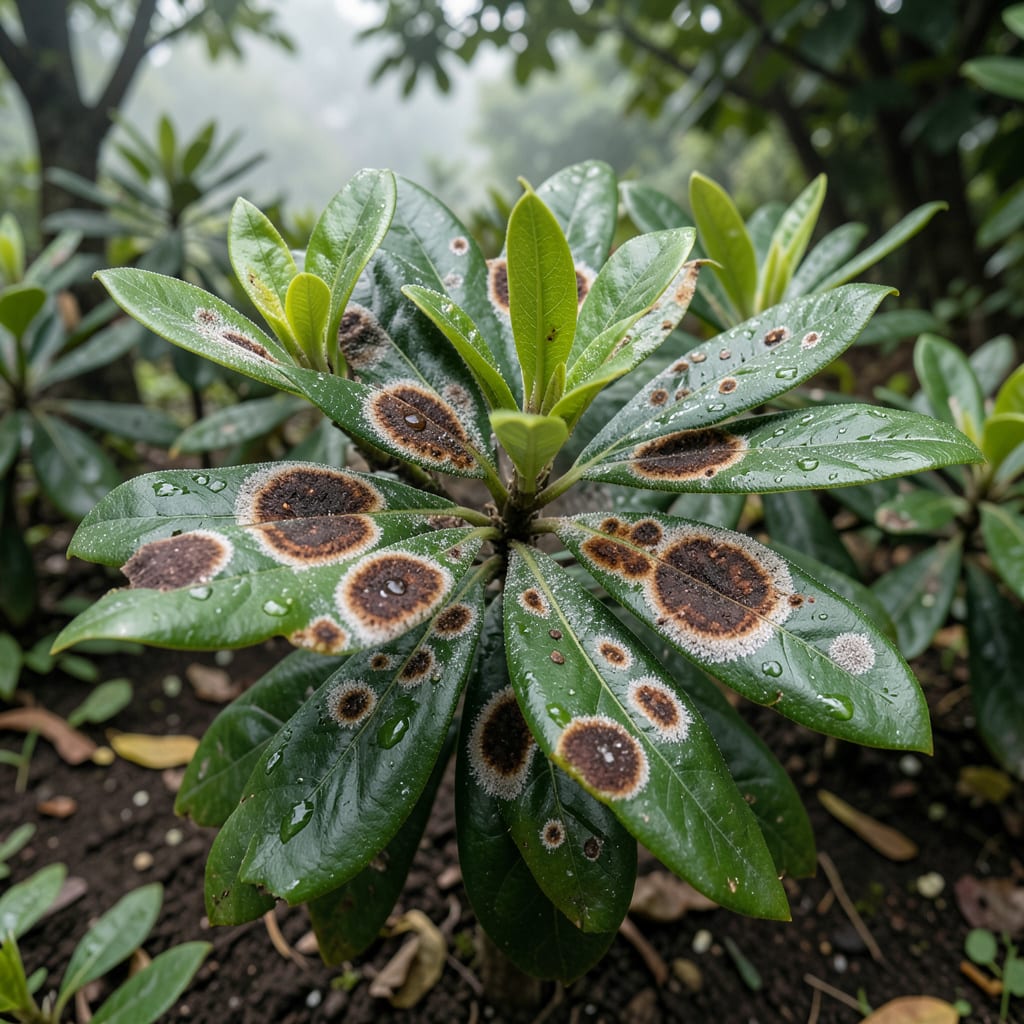
Spotted brown leaves on your azaleas aren’t just ugly—they’re a warning. I’ve learned that most fungal issues start small but spread fast if ignored. Catching them early saves plants and prevents garden-wide outbreaks.
Powdery mildew, leaf gall, and petal blight each leave distinct marks—white coating, swollen leaves, or spotted blooms. The key is matching symptoms to the right fungus, then acting before it takes over your shrubs.
Treatment often involves pruning infected parts, improving air flow, and applying the right fungicide. Prevention comes down to proper spacing, watering at the base, and keeping the area clean of fallen debris.
This approach works for all azalea varieties and keeps your garden healthy for seasons to come.
Fungal diseases in azaleas thrive under specific conditions. Understanding these triggers helps prevent outbreaks and keeps your plants healthy. Below are the primary causes, explained scientifically yet actionably.
Fungi like Phytophthora and Cercospora flourish in wet environments. Overwatering, poor drainage, or prolonged rain creates the perfect breeding ground. Azaleas with waterlogged roots or consistently damp foliage are highly susceptible. Action: Ensure proper drainage and avoid overhead watering to reduce leaf wetness.
Warm, humid climates (60–85°F) accelerate fungal spore germination. These conditions are ideal for Powdery Mildew and Leaf Gall. Action: Improve air circulation around plants by pruning densely packed branches and spacing azaleas appropriately.
Crowded plantings or dense canopies trap moisture and restrict airflow, encouraging fungal growth. This is especially problematic for Botrytis Blight. Action: Thin out surrounding vegetation and prune azaleas to open their centers for better ventilation.
Fungal spores can linger on unsterilized pruning tools or in infected soil, spreading diseases like Root Rot. Action: Disinfect tools with rubbing alcohol between uses and remove fallen debris, which can harbor spores.
Some azalea cultivars lack genetic resistance to common fungi. For example, Exbury Hybrids are more prone to Petal Blight. Action: Opt for disease-resistant varieties like Encore Azaleas or apply preventive fungicides during high-risk periods.
Fungal diseases can wreak havoc on your azaleas, but the right approach can restore their health. Below are targeted solutions for common fungal issues, along with prevention tips to keep them from returning.
If you spot white, powdery patches on leaves, prune affected areas to increase airflow. Spray with a baking soda solution (1 tbsp baking soda + 1 tsp dish soap + 1 gallon water) or a neem oil fungicide. Reapply every 7–10 days until the issue clears.
💡 Prevention Tip: Space plants properly and water at the base to avoid wetting foliage.
Brown or black spots with yellow halos signal leaf spot. Remove and destroy infected leaves to stop the spread. Apply a copper-based fungicide every 2 weeks during wet seasons.
💡 Prevention Tip: Avoid overhead watering and keep the garden free of fallen debris where spores thrive.
Wilting, brown-spotted flowers? This is petal blight. Prune affected blooms and dispose of them in the trash (not compost). Sanitize pruning tools with rubbing alcohol between cuts.
💡 Prevention Tip: Thin out dense foliage to improve air circulation before the blooming season.
Yellowing leaves and stunted growth may indicate root rot. Carefully dig up the plant, trim blackened roots, and repot in fresh, well-draining soil. Reduce watering until the plant recovers.
💡 Prevention Tip: Ensure containers have drainage holes, and amends garden beds with organic matter to prevent waterlogging.
Consistency is key—monitor your azaleas regularly and act at the first sign of trouble to keep them vibrant and disease-free!
Look for white powdery spots, brown leaf edges, or wilted flowers. These often appear before more severe damage. Catching them early makes treatment much easier.
Yes, but act fast. Prune infected parts, improve drainage, and apply fungicide. If roots are rotted, repot in fresh soil. Severe cases may require removing the plant to protect others.
Inspect weekly during warm, wet seasons. Focus on new growth and undersides of leaves where fungi often start. Early detection prevents major outbreaks.
Encore Azaleas and Kurume Hybrids show better resistance. Still, all varieties benefit from good airflow and proper watering. Resistant doesn’t mean immune.
