
Beautiful Plants For Your Interior
Beautiful Plants For Your Interior
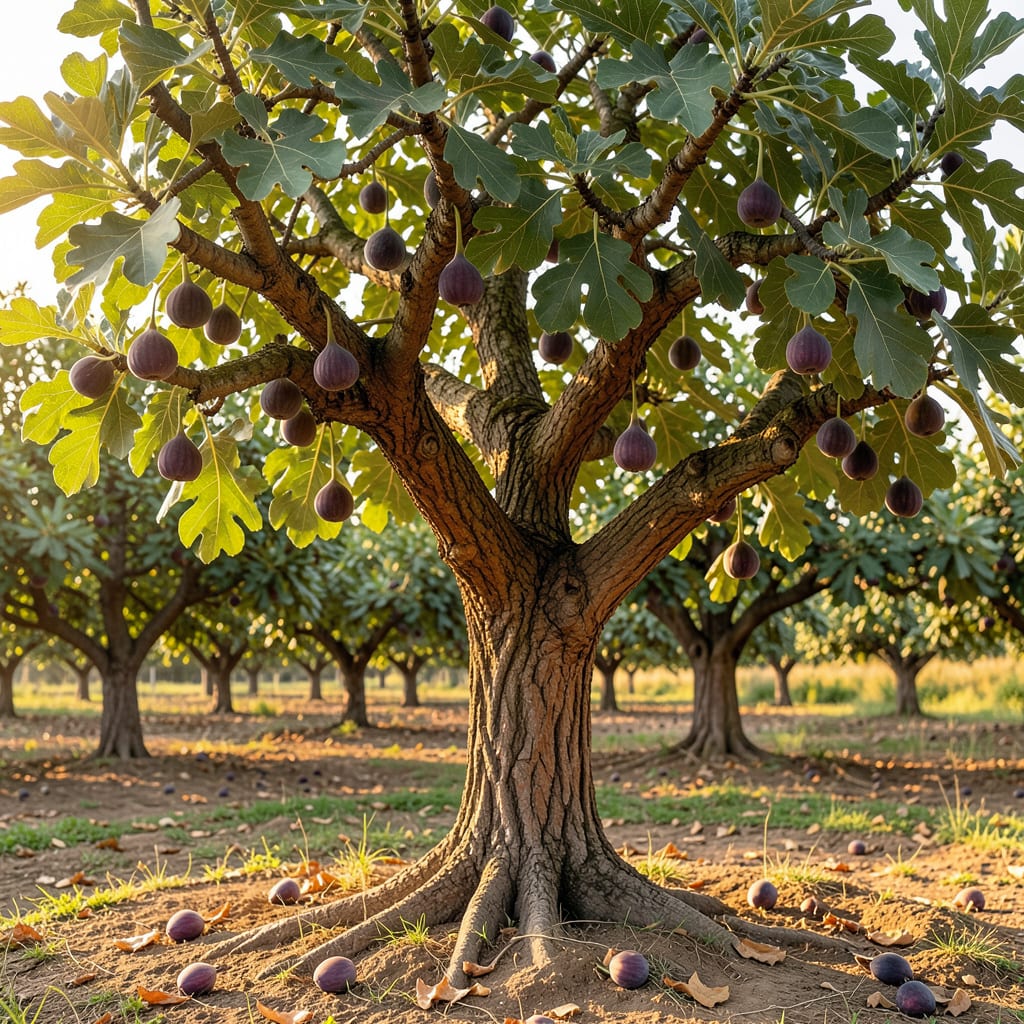
I planted my first Brown Turkey fig tree five years ago, and it’s been the most rewarding addition to my backyard. The moment you bite into a sun-warmed fig fresh from the branch, you’ll understand why this variety is a favorite.
It thrives in full sun with well-drained soil, and with minimal care, you’ll get a bountiful harvest year after year. The tree grows tall but stays manageable with occasional pruning, making it perfect for any outdoor space.
📚 In This Guide
Here’s the method I trust for establishing a productive fig tree that will reward you for decades.
Select a spot with full sun exposure—at least 6-8 hours of direct sunlight daily. Brown Turkey figs thrive in well-draining soil, so avoid low-lying areas where water pools. I like to test drainage by digging a 1-foot deep hole, filling it with water, and watching how quickly it empties.
Give your tree plenty of space. Mature Brown Turkey figs can spread 10-15 feet wide, so plant at least 10 feet from buildings, fences, or other trees. This prevents future crowding and ensures good air circulation, which keeps foliage healthy.
Dig a hole that’s twice as wide as the root ball but no deeper. A wide hole loosens the surrounding soil, making it easier for new roots to establish. I usually make mine about 3 feet across for a standard nursery-grown tree.
Remove any rocks, weeds, or debris from the hole. Rough up the sides with your shovel to help roots penetrate the native soil. If your soil is heavy clay, mix in a little compost to improve drainage, but don’t add so much that the tree won’t want to grow beyond its amended hole.
Place the tree in the hole, making sure the root flare (where roots meet trunk) sits 1-2 inches above the surrounding soil level. This prevents settling, which can suffocate the trunk. I always lay my shovel handle across the hole to check the depth before backfilling.
Backfill with native soil, tampering lightly as you go to remove air pockets. Water thoroughly once the hole is half-filled to help soil settle around the roots. Finish filling the hole, then create a 3-inch high water ring around the perimeter to help direct moisture to the roots.
Give your new tree a deep soaking—about 10-15 gallons of water. This ensures moisture reaches the entire root zone. For the first 2-3 weeks, water every 2-3 days unless you receive significant rainfall.
Apply a 2-3 inch layer of organic mulch like wood chips or straw, keeping it 6 inches away from the trunk to prevent rot. Mulch conserves moisture, suppresses weeds, and keeps soil temperature consistent. You’ll notice the tree establishes faster with this simple step.
After planting, prune back any broken or damaged branches. I also remove about one-third of the top growth to compensate for root loss during transplanting. This might seem drastic, but it encourages strong, balanced new growth.
For the first year, focus on keeping the soil consistently moist but not waterlogged. You’ll see new growth within 3-4 weeks if conditions are right. Avoid fertilizing in the first year—let the tree focus on root establishment rather than top growth.
Here are the key details that make the difference between a struggling fig tree and one that thrives for decades.
Sunlight Strategy: The 6-8 hours of direct sunlight mentioned in Step 1 isn’t just a suggestion—it’s critical for fruit production. I learned this the hard way when my first fig tree produced only a handful of fruits because it was getting just 5 hours of sun. If your yard doesn’t have a full-sun spot, consider a container that you can move to chase the sunlight.
The Space Factor: In Step 1, the 10-15 feet spread isn’t an exaggeration. Planting too close to structures or other trees leads to crowded roots and poor air circulation. I’ve seen mature Brown Turkey figs with trunks so thick you couldn’t wrap your arms around them—give them room to reach their full potential.
Depth Check: That 1-2 inches above soil level for the root flare in Step 3 might seem like a small detail, but it prevents the most common planting mistake. Settling can bury the trunk, leading to rot. Use that shovel handle trick I mentioned—it’s saved me from replanting more trees than I care to admit.
Watering Wisdom: The 10-15 gallons of water in Step 4 isn’t just for the initial planting—it’s your template for deep watering. Many new fig owners make the mistake of frequent shallow watering. Instead, give your tree a thorough soaking every 2-3 days for those first 2-3 weeks, then taper off as roots establish.
A mature Brown Turkey fig tree typically reaches 15–25 feet tall with a spread of 10–20 feet. Dwarf varieties stay smaller (10–15 feet), making them ideal for compact spaces. Regular pruning can help control its size while encouraging better fruit production.
Plant in late winter or early spring (before new growth starts) to give roots time to establish. Avoid planting in extreme heat or frost. Container-grown trees can be planted year-round in mild climates, but spring is still ideal.
Water deeply 1–2 times per week for the first year, then reduce to weekly during dry spells. Mature trees are drought-tolerant but produce better fruit with consistent moisture. Avoid overwatering, as soggy soil can cause root rot.
Common reasons include insufficient sunlight (needs 6–8 hours daily), over-fertilizing (especially with nitrogen), or young age (trees may take 1–2 years to bear fruit). Prune dead wood and ensure proper pollination to boost yields.
Yes! Try Celeste (cold-hardy, sweet fruit), Chicago Hardy (compact, great for containers), or Black Mission (rich flavor, drought-tolerant). Each offers unique benefits for different climates and space constraints.
