
Beautiful Plants For Your Interior
Beautiful Plants For Your Interior
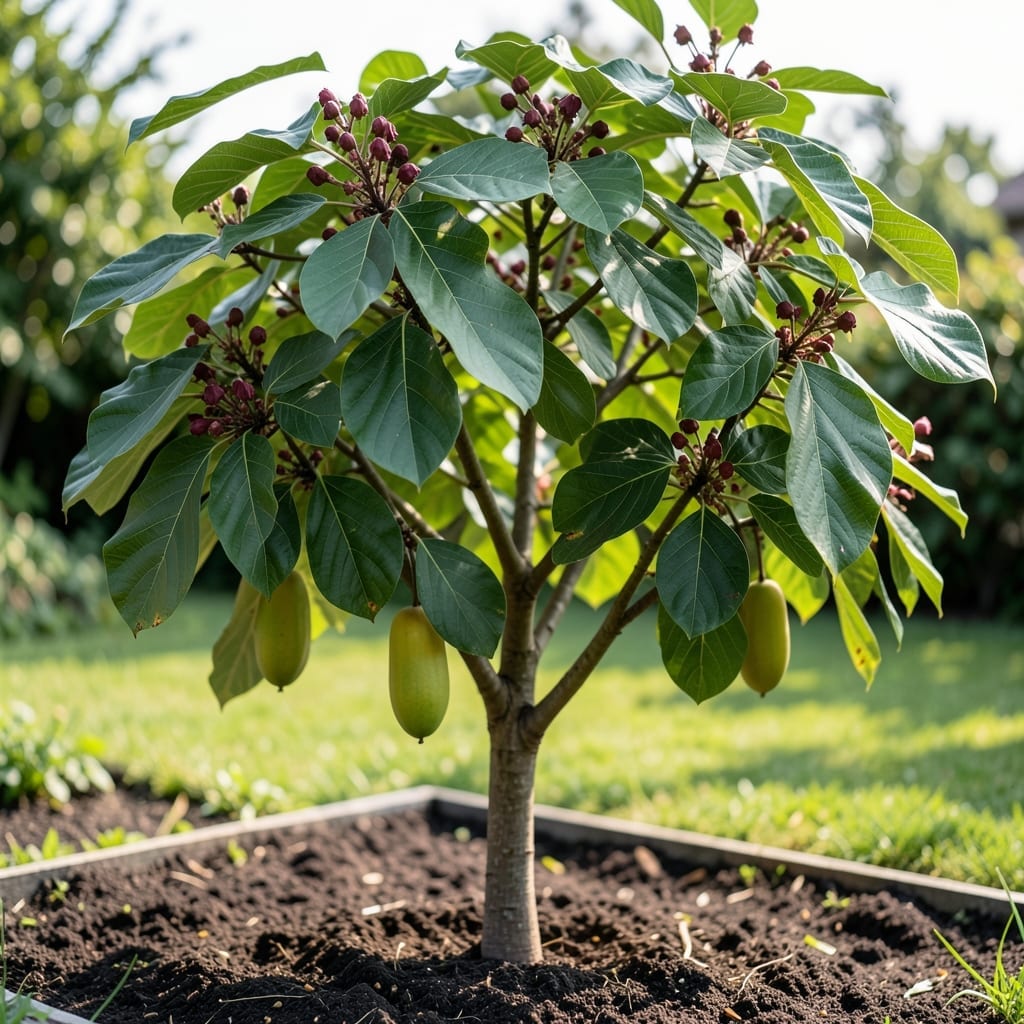
Imagine stepping into your backyard and plucking a sweet, custard-like fruit from your very own 🌳 Pawpaw Tree. It’s not just a dream—it’s entirely possible with the right care and attention.
Growing a mature Pawpaw Tree can be a rewarding experience, but it does require some know-how. From planting to pruning, every step matters in ensuring your tree thrives.
Discover the essential tips and tricks to keep your Pawpaw Tree healthy and productive for years to come.
A full grown paw paw tree is a stunning addition to any garden, offering both tropical beauty and delicious fruits. These trees typically reach 15-30 feet in height with a spread of 15-20 feet. 🌳
Their pyramidal canopy provides ample shade while the large, oblong leaves create a lush, tropical appearance. The deep root system helps them tolerate various soil conditions, though they thrive in well-draining, slightly acidic soil. 🌿
| Trait | Specification |
|---|---|
| Mature Height | 15-30 feet |
| Canopy Spread | 15-20 feet |
| Root System | Deep taproot |
| Ideal Soil | Well-draining, acidic |
| Sunlight Needs | Full sun to partial shade |
| USDA Zones | 5-9 |
The paw paw tree produces unique, maroon flowers in spring that develop into greenish-yellow fruits by late summer. These custard-like fruits are a favorite among gardeners for their tropical flavor. ☀️
For optimal growth, I recommend planting in a location with 6-8 hours of sunlight daily. The tree’s deciduous nature means it will shed leaves in fall, revealing an attractive smooth, gray bark during winter months. 🌱
One of the most fascinating aspects is its self-pollinating flowers, though having two trees can improve fruit set. The slow growth rate means you’ll need patience, but the reward is a long-lived tree that can produce for decades. 🌳
I’ve found that mulching around the base helps retain moisture and suppress weeds. The low maintenance nature of paw paw trees makes them ideal for both beginner and experienced gardeners. ✂️
The tree’s disease resistance is another plus, though you should watch for pawpaw peduncle borer. Regular inspections and proper pruning will keep your tree healthy and productive. 💧
In my experience, the best planting time is early spring, allowing the tree to establish roots before summer heat. With proper care, your full grown paw paw tree will become a garden centerpiece for years to come. 🌿
Keeping your full grown paw paw tree healthy requires consistent care. I recommend deep watering once weekly, especially during dry spells, to maintain moist soil without waterlogging. 🌳
For best results, use a balanced fertilizer every 6-8 weeks during the growing season. This ensures your tree gets the nutrients it needs for optimal fruit production. 🌿
Pruning is best done in late winter to remove dead or diseased branches. This also helps maintain the tree’s pyramidal shape and improves air circulation. ✂️
Applying a 2-3 inch layer of mulch around the base helps retain soil moisture and suppresses weeds. Be sure to keep the mulch away from the trunk to prevent rot. 💧
Regular pest inspections are crucial, as paw paw trees can attract pawpaw peduncle borers. Use organic pesticides if needed, and remove any affected branches promptly. ☀️
Finally, remember that paw paw trees prefer slightly acidic soil. If your soil is too alkaline, amend it with organic matter like compost or peat moss. With proper care, your tree will thrive for decades. 🌱