
Beautiful Plants For Your Interior
Beautiful Plants For Your Interior
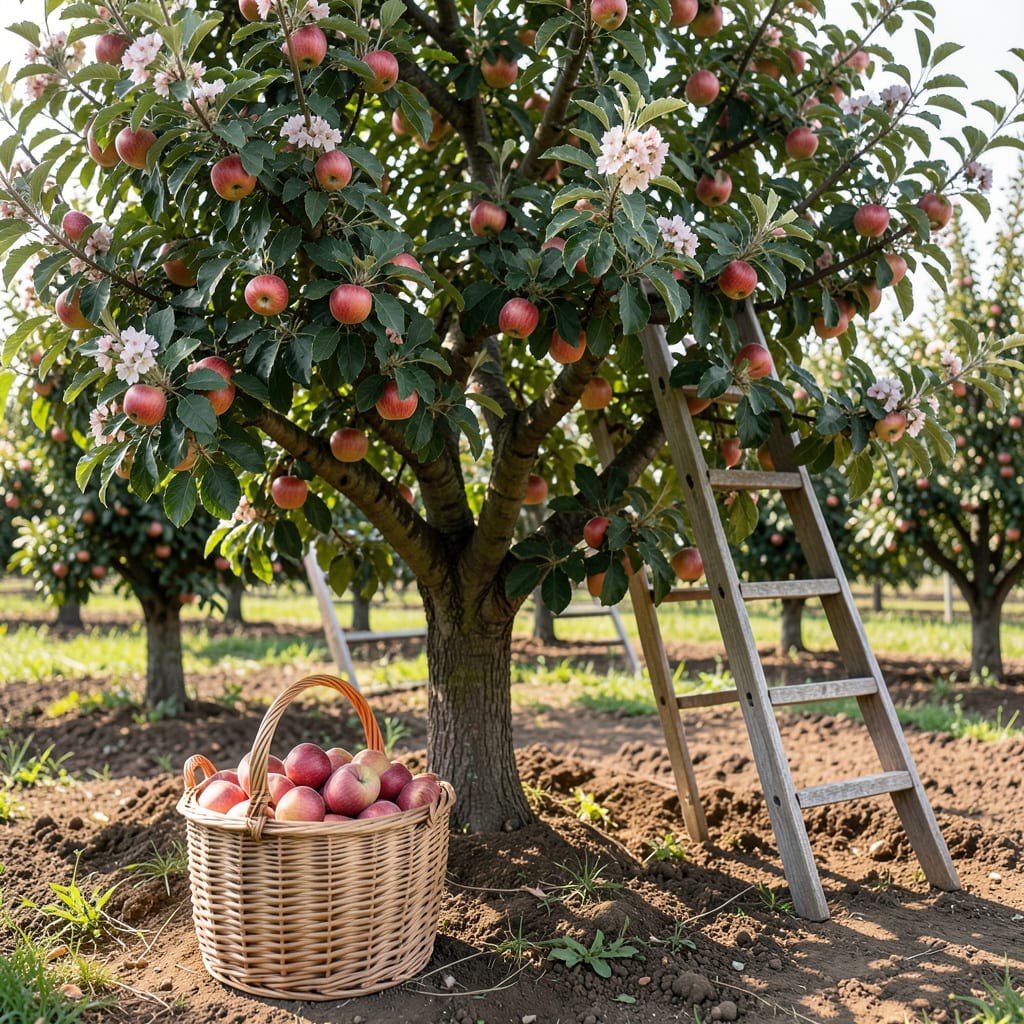
There’s nothing quite like biting into a perfectly ripe Fuji Apple 🍎 at its peak. But how do you know when that moment arrives?
I’ve learned that timing is everything with this late-season favorite. Discover the subtle signs that tell you your apples are ready to pick, just before they reach their sweetest, crispest best.


Timing your Fuji apple harvest perfectly starts with knowing its late-season nature. Unlike early varieties, Fujis typically ripen 180-210 days after bloom, placing harvest in mid-September to October for most regions.
I watch for the first sign: color transformation. As summer fades, the apples shift from green to red-yellow, signaling sugar development. But color alone isn’t enough—you need to confirm with other cues. 🌳
| Harvest Sign | What to Look For |
|---|---|
| Color Change | Deep red-yellow hue |
| Days From Bloom | 180-210 days |
| Stem Test | Twists off easily |
| Seed Color | Dark brown |
| Flesh Texture | Firm and crisp |
The stem separation test is my go-to method. Gently lift an apple and give it a quarter twist. If it comes off cleanly, it’s ready. If it resists, wait a few more days for the abscission layer to form.
For commercial growers, a sugar meter (Brix reader) is invaluable. Fujis should test at 14-16% sugar for peak sweetness. Home gardeners can simply taste test—the flavor should be sweet with balanced acidity.
Regional climate plays a role too. In warmer zones (7-8), harvest may start in late September. Cooler areas (5-6) often see peak ripeness in early October. Always check the weather forecast—a hard frost can damage unharvested fruit.
Don’t forget the seed check. Slice open an apple to inspect the seeds. When they turn dark brown, the fruit has reached full maturity. White or light seeds mean it’s not ready yet.
I’ve found that morning harvesting works best. The apples are crisp from the cooler night temperatures, and the dew has dried, reducing the risk of rot during storage. Use sharp pruners or twist gently to avoid damaging the spur.
Remember, Fujis continue to ripen slightly after picking, but they won’t develop more sugar. For the best flavor, pick at peak ripeness. Store them in a cool, dark place to maintain freshness for weeks. ☀️
If you’re growing multiple varieties, note that Fujis are late-season apples. They’ll be among the last to ripen in your orchard, often just before the first frost. This makes them perfect for extended harvest windows and fresh eating deep into fall.
Watch for bird damage as harvest approaches. Netting can protect your crop if you notice feathered friends helping themselves. A little prevention goes a long way in ensuring you get to enjoy the fruits of your labor. ✂️
Testing for Fuji apple ripeness doesn’t require fancy tools—just a few simple checks. I always start with the taste test, the most reliable method for home gardeners. Bite into an apple from different parts of the tree to ensure consistent sweetness.
The seed color check is another foolproof sign. Slice an apple open and examine the seeds. When they turn dark brown, the fruit has reached full maturity. If they’re still white or light, wait another week.
The gentle twist test is my favorite quick check. Lift the apple slightly and give it a quarter turn. If it snaps off cleanly, it’s ready. If it holds firm, the abscission layer hasn’t formed yet.
For precision, use a Brix meter if you have one. Fuji apples should read 14-16% sugar content at peak ripeness. This tool is especially useful for commercial growers aiming for consistent quality.
Check multiple apples from different branches and tree sides. Ripening can vary based on sun exposure and airflow. Apples on the south-facing side often ripen first due to more direct sunlight.
If you’re unsure, wait a few more days. Fujis picked too early taste starchy and bland, while overripe ones become mealy. The perfect window is short but worth the patience for that crisp, sweet bite. 🌳
I’ve seen many gardeners make costly mistakes with their Fuji apple harvest. The biggest error is picking too early, resulting in starchy, bland fruit that never develops its signature sweetness.
Another common misstep is waiting too long. Overripe Fujis become mealy and soft, losing that prized crisp texture. I always recommend checking the weather forecast and harvesting before the first frost hits. 🌳
⚠️ Warning: Avoid these harvest killers to protect your Fuji crop
Ignoring the weather forecast can be disastrous. A sudden hard frost can damage unharvested apples, turning them mushy. I always harvest my Fujis when temperatures are consistently above 32°F (0°C) at night.
Improper storage preparation is another issue. Bruised or damaged apples spoil faster. Handle your harvest carefully and inspect each fruit for cuts or bruises before storing. ✂️
Don’t forget the stem check. If you have to yank the apple off, it’s not ready. This forceful method can damage the fruit spur, affecting next year’s production. Always use the gentle twist method.
Lastly, ensure your storage area is cool and dark. Fujis keep best at 30-32°F (-1-0°C) with high humidity. A root cellar or refrigerator works perfectly for maintaining that just-picked freshness for weeks. 🌱
Fuji apples typically ripen 180-210 days after bloom. This places harvest in mid-September to October for most growing zones. The exact timing depends on your climate and the tree’s health.
Look for a deep red-yellow hue replacing the green. The color change signals sugar development, but always confirm with the stem twist test or seed color check for accuracy.
No, a hard frost can damage unharvested fruit. Aim to pick before temperatures drop to 32°F (0°C). Fujis are late-season apples, so monitor forecasts closely as fall approaches.
Picking too soon results in starchy, bland fruit that lacks sweetness. The apples won’t develop their signature crisp texture or high sugar content if harvested prematurely.
