
Beautiful Plants For Your Interior
Beautiful Plants For Your Interior
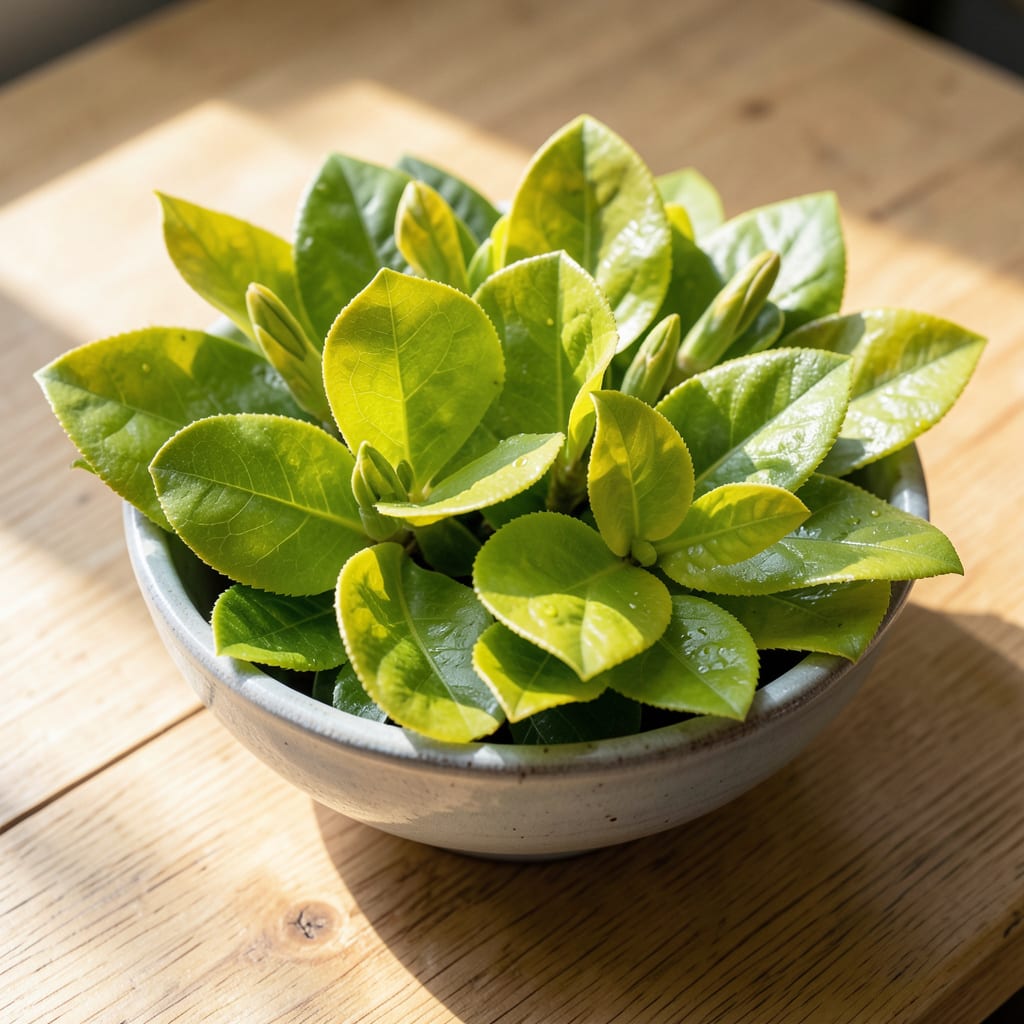
I planted my first forsythia for its spring blooms, but the year-round foliage stole the show. The deep green leaves turn purplish in fall, adding unexpected color long after the flowers fade.
This shrub thrives in full sun to partial shade with minimal care. You get vibrant leaves that hold their color through summer, then transform again in autumn. It’s the low-maintenance plant that keeps giving.
📚 In This Guide
Here’s the method I rely on to maintain stunning foliage that enhances any landscape throughout the seasons.
Choose a site with full sun to partial shade. Forsythia x intermedia thrives in locations receiving at least 6 hours of direct sunlight daily, though it tolerates light afternoon shade, especially in hotter climates. The soil should be well-draining with a pH between 6.0 and 7.5.
Dig a hole twice as wide as the root ball but no deeper. This encourages roots to spread outward quickly, establishing the plant faster. Backfill with native soil, tampping gently to eliminate air pockets, which can hinder root growth.
After planting, water thoroughly to settle the soil around the roots. Provide 1-1.5 gallons of water per plant immediately after planting, ensuring the root zone is completely saturated. This initial deep watering helps prevent transplant shock.
For the first 4-6 weeks, water 2-3 times per week unless rainfall provides at least 1 inch of water. Once established, forsythia is drought-tolerant, but consistent moisture during the first growing season promotes vibrant foliage and strong root development.
Prune immediately after flowering, typically in late spring. This timing allows the plant to set buds for the next year’s blooms while still giving it a full growing season to produce lush foliage. Remove any dead, diseased, or crossing branches first to improve air circulation.
Thin out about one-third of the oldest stems at ground level to encourage new growth. Shape the shrub by cutting back wayward branches to maintain the desired form. Avoid pruning after mid-summer, as this can remove next year’s flower buds.
Apply a balanced, slow-release fertilizer, such as 10-10-10, in early spring just as new growth begins. Use 1 pound per 100 square feet of garden bed or follow the label instructions for container plants. This promotes healthy, vibrant leaves.
Scratch the fertilizer lightly into the soil surface around the drip line of the plant, then water deeply to help it reach the root zone. Avoid over-fertilizing, which can lead to excessive leafy growth at the expense of flowers and may make the plant more susceptible to pests.
Regularly inspect the leaves for signs of pests like aphids or spider mites, which can cause discoloration or premature leaf drop. Treat infestations promptly with insecticidal soap or horticultural oil, applying in the early morning or late evening to avoid harming beneficial insects.
Watch for symptoms of fungal diseases, such as powdery mildew or leaf spot, which often appear as white powdery coatings or dark spots on the leaves. Improve air circulation by spacing plants properly and watering at the base to keep foliage dry. Remove and destroy any affected leaves to prevent the spread of disease.
Here’s how to get the most vibrant foliage with minimal effort and maximum impact.
Sunlight Strategy: The 6 hours of direct sunlight daily requirement in Step 1 isn’t just a suggestion—it’s critical for that lush, deep green foliage. If your climate is particularly hot, afternoon shade helps prevent leaf scorching. I’ve found that morning sun with afternoon shade produces the most consistent color year-round.
Watering Wisdom: During those first 4-6 weeks, stick to the 2-3 times per week schedule unless rain gives you that 1 inch of water. Overwatering can be just as harmful as underwatering, leading to root rot. A moisture meter can help if you’re unsure whether the soil is dry enough for another watering session.
Pruning Precision: Step 3’s timing—pruning immediately after flowering in late spring—is non-negotiable. Pruning later, even by a few weeks, risks cutting off next year’s buds. Thin out one-third of the oldest stems aggressively; it feels drastic, but the plant rewards you with vigorous new growth and better airflow.
Fertilizer Finesse: When applying the 10-10-10 fertilizer in Step 4, resist the urge to overdo it. More isn’t better here—over-fertilizing leads to excessive leafy growth at the expense of those gorgeous spring blooms. Scratch it into the soil lightly, then water deeply to ensure it reaches the root zone without burning the plant.
Yellowing leaves often signal overwatering, poor drainage, or nutrient deficiencies. Check soil moisture and ensure proper drainage. A balanced fertilizer can help restore vibrant green foliage.
Leaves typically turn golden-yellow in fall, adding seasonal interest. Some varieties may show hints of purple or bronze. This change is natural and enhances the shrub’s ornamental value.
Yes! While famous for its bright yellow flowers, its lush, serrated leaves provide year-round greenery and texture, making it a great choice even without blooms.
Brown spots may indicate fungal diseases like leaf spot. Improve air circulation, avoid overhead watering, and apply a fungicide if needed. Remove affected leaves promptly.
Yes! Consider Abelia or Weigela for comparable leaf shapes and seasonal color changes. Both offer vibrant foliage and are low-maintenance shrubs.
