
Beautiful Plants For Your Interior
Beautiful Plants For Your Interior
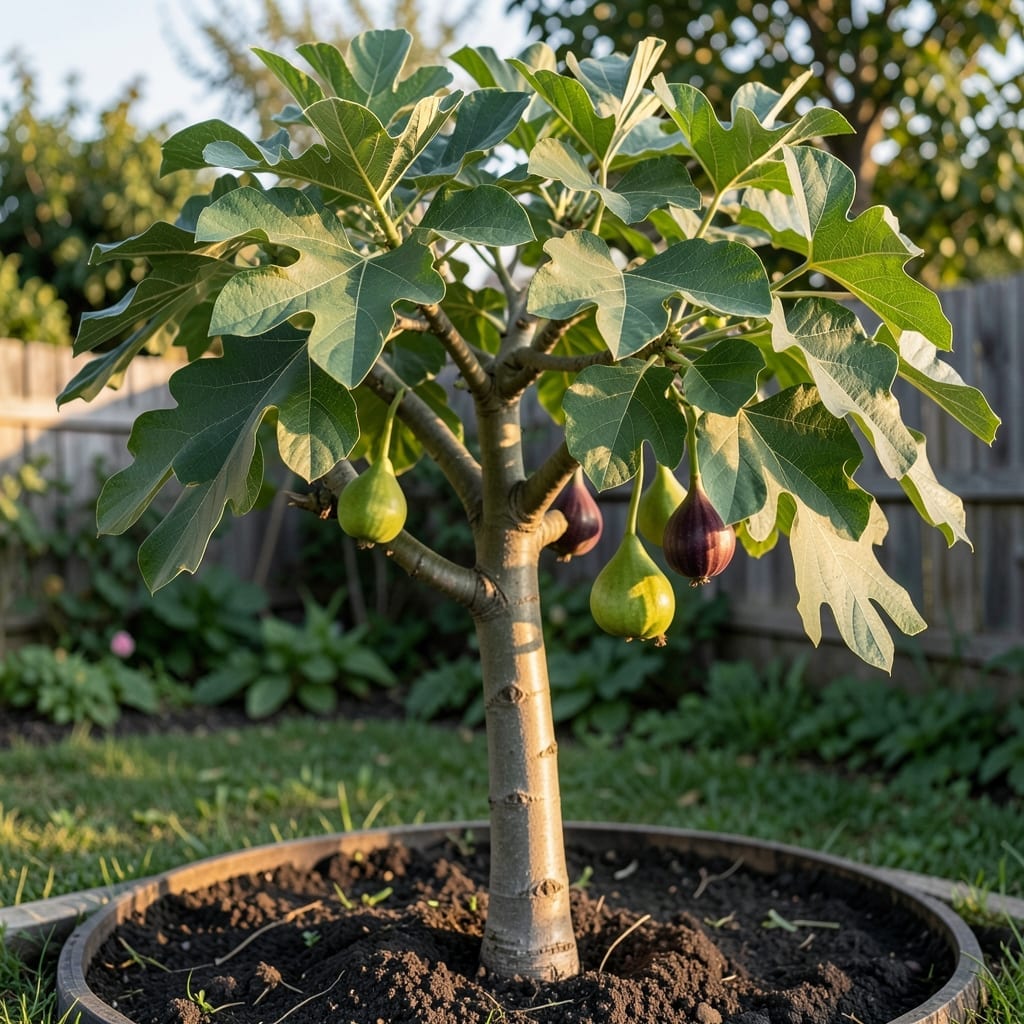
Nothing beats the taste of fresh figs picked straight from your own 🌳 Fig Tree, but achieving that perfect sweet harvest requires understanding its seasonal needs.
I’ve learned that timing and care make all the difference. With the right approach, you can enjoy abundant figs from June to August without the guesswork.
Discover how simple adjustments in watering, pruning, and fertilizing can transform your tree’s productivity. Let’s make this your best harvest yet.
Watching figs develop on your tree is fascinating. Most gardeners don’t realize that fig trees often produce two crops per year: the breba crop in early summer and the main crop in late summer or fall.
The breba figs form on last year’s wood and ripen first. Meanwhile, the main crop grows on the current season’s growth and is typically more abundant and flavorful. Understanding this cycle is key to maximizing your harvest 🌿
| Stage | Description |
|---|---|
| Breba Formation | Develops on previous year’s growth |
| Main Crop Growth | Forms on new season’s wood |
| Pollination | Most varieties are self-fertile |
| Ripening Signs | Color change, soft texture, drooping |
Most fig varieties are self-pollinating, which means you don’t need multiple trees to get fruit. However, some types like Smyrna figs require pollination by the fig wasp to develop properly.
I’ve noticed that healthy fig development starts with tiny, hard green nubs that gradually swell and soften. The color change from green to brown, purple, or black (depending on variety) signals ripening is near.
Another key sign is when the figs begin to droop slightly on their stems. This is nature’s way of telling you they’re almost ready. The neck of the fig will also become more pliable as it matures.
For the best flavor, I recommend letting figs ripen fully on the tree. They won’t continue to ripen after picking like some other fruits. A fully ripe fig will feel soft to the touch and may even split slightly at the skin.
Remember that fig trees need consistent moisture during fruit development. Too much fluctuation in water can cause fruit drop or poor quality figs. I water my trees deeply once a week during dry spells.
The breba crop is often smaller and less reliable than the main crop, especially in cooler climates. Don’t be discouraged if your first flush of figs doesn’t produce much – the second crop is usually worth the wait.
If you’re growing figs in containers, you might notice slightly different timing. Potted trees often ripen their fruit a bit earlier than in-ground plants due to the warmer root zone.
With patience and observation, you’ll learn to recognize these growth stages and time your care perfectly for the sweetest harvests ✂️
Timing your fig tree care with the seasons is crucial for maximum fruit production. I’ve found that a consistent schedule helps prevent common issues like fruit drop or poor ripening.
Each season brings different needs for your fig tree. From spring pruning to winter protection, I’ll walk you through the essential tasks to keep your tree thriving year-round 🌳
In early spring, I always prune my fig tree to remove any dead or diseased branches. This encourages new growth where the main crop will develop later in the season.
Summer care is all about consistent moisture. I water my trees deeply twice a week during hot spells, making sure the soil stays moist but never soggy. This is when the figs are sizing up.
As fall approaches, I reduce watering to help the tree prepare for dormancy. This is also the perfect time to harvest your main crop of figs, which are usually sweeter and more abundant than the breba.
For winter protection, I pile extra mulch around the base of my fig trees, especially if we’re expecting a hard freeze. In colder zones, you might need to wrap the tree or use frost cloth.
Following this seasonal rhythm has consistently given me the best fig harvests year after year ✂️