
Beautiful Plants For Your Interior
Beautiful Plants For Your Interior
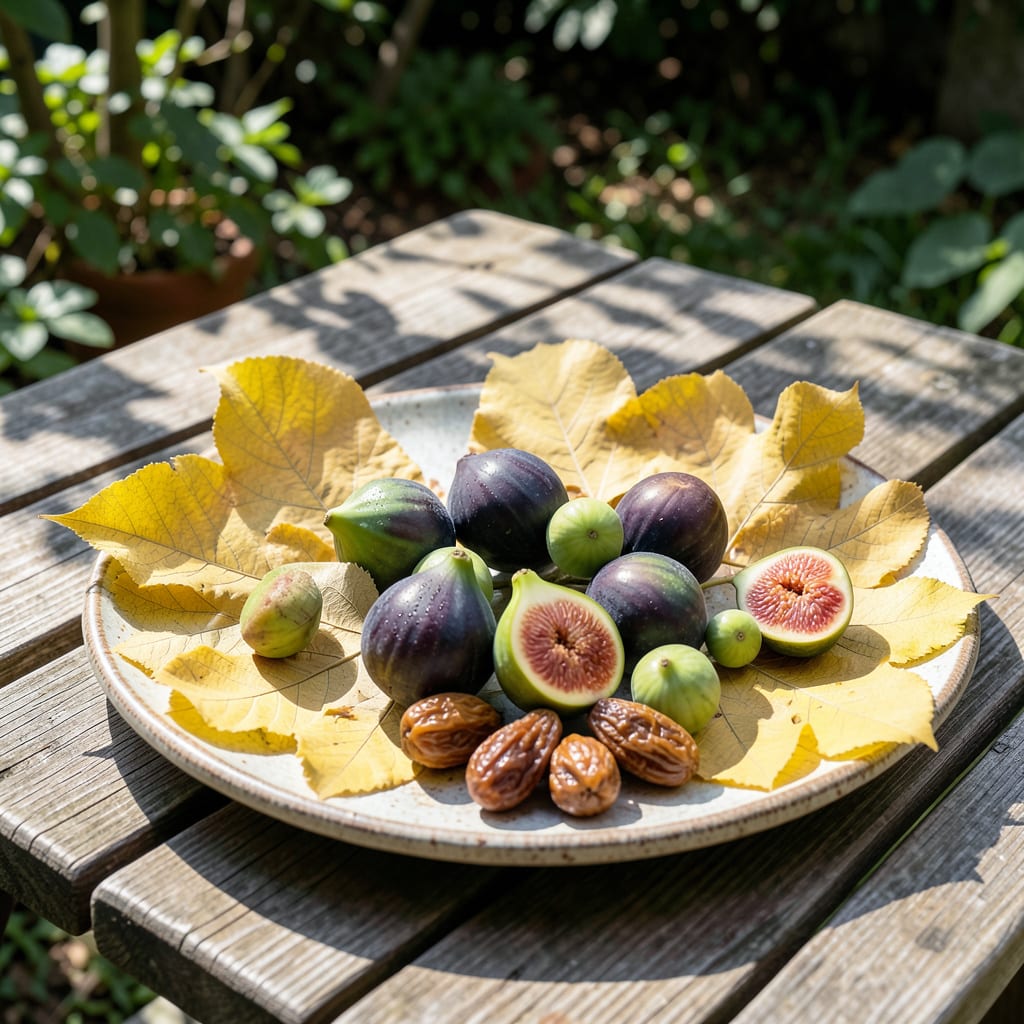
Yellow leaves on your fig tree can signal trouble or just the tree doing its thing. I’ve seen both scenarios in my own garden, and the difference often comes down to timing and pattern.
If older leaves yellow first, it’s usually natural maturation. But when new growth turns yellow, you’re likely looking at a nutrient deficiency or water stress issue that needs attention fast.
The good news? Most causes are fixable with simple adjustments to watering, fertilizing, or pest control. The key is identifying the pattern and acting before it spreads.
We’ll walk through the most common triggers and exactly how to address each one for a healthier tree next season.
Yellowing leaves on a fig tree can signal underlying issues or natural processes. Here are the most common causes, explained scientifically:
Lack of essential nutrients like nitrogen, iron, or magnesium often causes chlorosis (yellowing). Nitrogen deficiency starts in older leaves, while iron or magnesium shortages appear as interveinal yellowing (green veins with yellow tissue). Test soil pH—figs prefer 6.0–6.5; alkaline soils lock out iron.
Root asphyxiation from waterlogged soil disrupts nutrient uptake. Yellow leaves may wilt or develop brown spots. Check drainage and let soil dry slightly between waterings.
Older leaves yellow and drop as part of the tree’s growth cycle, especially in fall or during stress. This is normal if new leaves remain green and healthy.
Sap-sucking pests like spider mites or aphids drain nutrients, causing yellowing. Fungal diseases (e.g., root rot) also trigger discoloration. Inspect leaves for webbing, spots, or sticky residue.
Extreme heat, cold drafts, or sudden light changes can shock the tree. Yellowing often appears on exposed leaves first. Acclimate figs gradually to new conditions.
Yellow leaves on your fig tree can often be reversed with the right care. Below are targeted solutions for the most common causes, along with prevention tips to keep your tree thriving.
If yellowing starts with older leaves, your fig tree may lack nitrogen, magnesium, or iron. Use a balanced, slow-release fertilizer (10-10-10) or a citrus-specific formula rich in micronutrients. For iron deficiency (yellowing between veins), apply chelated iron to the soil or as a foliar spray. Prevention tip: Test your soil annually and amend with compost to maintain nutrient balance. 💡
Yellow leaves with mushy stems? Cut back on watering and ensure your pot or planting area has drainage holes. Let the top 1-2 inches of soil dry out before watering again. If root rot is suspected, trim affected roots and repot in fresh, well-draining soil. Prevention tip: Use a moisture meter or the finger test to avoid overwatering. 🌡️
Too little light causes pale, widespread yellowing, while too much can scorch leaves (brown edges + yellow patches). Move potted figs to a spot with 6-8 hours of morning sun and afternoon shade. For in-ground trees, thin surrounding foliage to improve light penetration. Prevention tip: Gradually acclimate trees to new light conditions to avoid shock. ✨
Check undersides of leaves for spider mites, aphids, or scale. Blast pests off with water or apply neem oil or insecticidal soap weekly until gone. For severe cases, use horticultural oil. Prevention tip: Encourage beneficial insects like ladybugs and maintain good airflow around the tree. 🎯
If yellowing is limited to a few lower leaves, it’s likely natural shedding. Simply remove yellow leaves to redirect energy to healthy growth. Prevention tip: Regularly prune dead or diseased branches to promote vigor. 🌿
Not always! Older leaves naturally turn yellow as they age. If only lower leaves are affected and new growth looks healthy, it’s likely normal shedding.
Water deeply once or twice a week, allowing the top 1-2 inches of soil to dry between waterings. Overwatering is a common cause of yellowing, so drainage is key.
Use a balanced fertilizer or foliar spray for quick absorption. For iron deficiencies, chelated iron works fastest. Test soil pH to ensure it’s between 6.0–6.5.
Yes, pests like aphids and spider mites drain nutrients, leading to yellowing. Check leaf undersides for webbing or sticky residue and treat with neem oil.
