
Beautiful Plants For Your Interior
Beautiful Plants For Your Interior
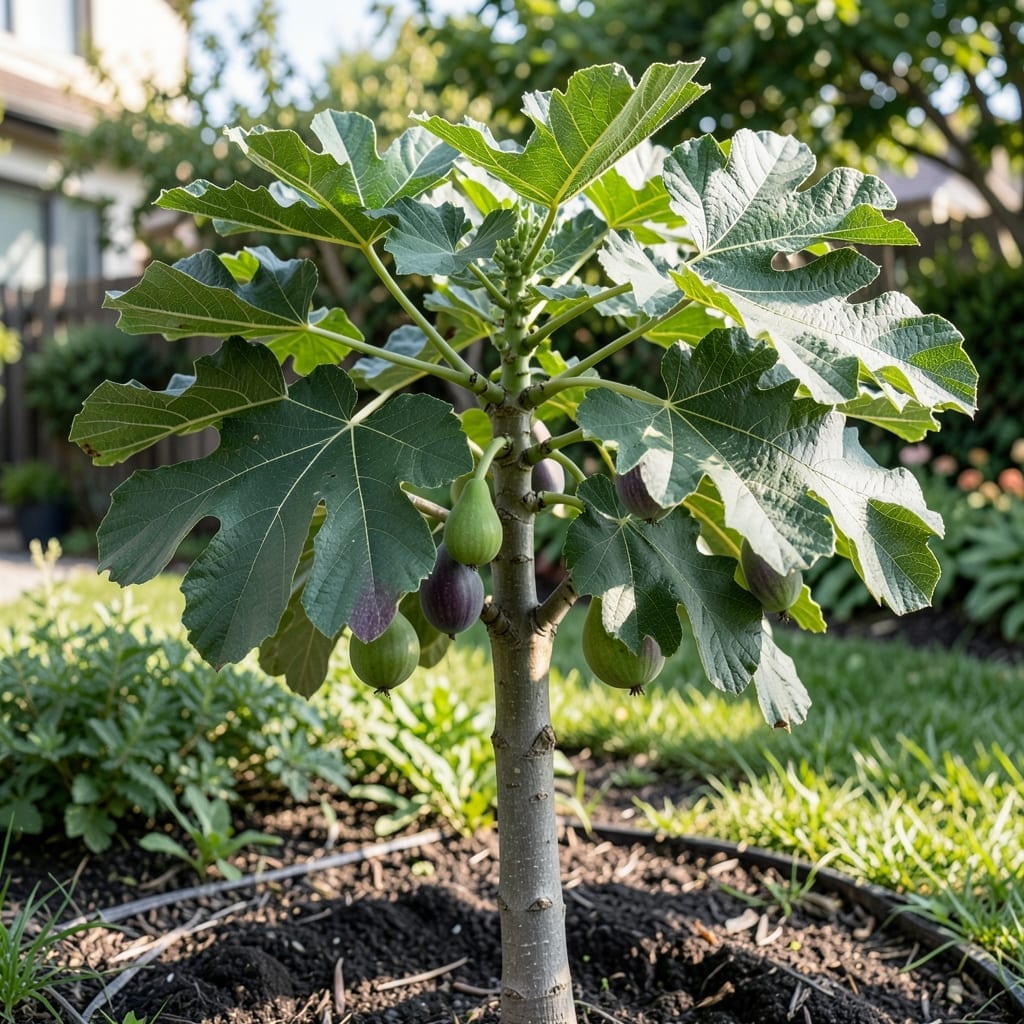
Fig trees are a rewarding addition to any garden, but their growth and fruit production hinge on one critical factor: sunlight. Getting this right can transform your 🌳 Fig Tree from barely surviving to thriving.
Too little light leads to poor fruit development, while too much can cause stress in extreme climates. The good news? With the right approach, you can create ideal conditions regardless of your location.
Discover how to provide the perfect sun exposure for vibrant, productive fig trees in your own backyard. Let me show you exactly what it takes.


If you’re growing fig trees, sunlight is non-negotiable. These fruit-bearing beauties thrive on full sun exposure, meaning they need at least 6-8 hours of direct sunlight daily to produce sweet, abundant fruit.
While they can tolerate partial shade, especially in scorching climates, too little light often leads to poor fruit quality or no fruit at all. I’ve seen firsthand how a shady spot can turn a promising fig tree into a leafy disappointment.
| Requirement | Specification |
|---|---|
| Ideal Sun Exposure | 6-8+ hours daily |
| Minimum Sun | 4-6 hours |
| Shade Tolerance | Low (affects fruiting) |
| Best Window Direction | South-facing |
In my experience, morning sun is particularly beneficial because it dries dew quickly, reducing the risk of fungal diseases. If your garden gets intense afternoon heat, a bit of dappled shade can prevent leaf scorch.
Young fig trees can be more sensitive to extreme sun, so I recommend acclimating them gradually. Start with 4-6 hours of sun per day and increase as they mature. This approach helps prevent transplant shock and encourages strong root development.
For container-grown figs, you have more control. I move my potted figs around to catch the best light, ensuring they get that full-sun requirement even on a small patio. Just
If you live in a hot climate, like USDA zones 8-10, your fig tree can handle more direct sun. But in cooler zones, such as 6-7, maximizing sunlight is key to ripening fruit before the first frost. I’ve found that reflective mulches can help bounce extra light onto the tree.
Variety matters too. Some figs, like Celeste or Brown Turkey, are more forgiving of partial shade, while others, such as Black Mission, demand full sun for the best flavor. Always check the specific needs of your chosen cultivar.
Don’t forget about seasonal changes. In summer, your fig tree will soak up the long days, but in winter, even dormant trees benefit from as much light as possible to maintain health and prepare for the next growing season.
Finally, observe your tree. If the leaves look vibrant and healthy and you’re getting a good fruit set, you’ve likely nailed the sun requirements. If not, it might be time to reassess your tree’s light exposure.
☀️
Even with the best intentions, your fig tree might still struggle if it’s not getting enough light. The first sign I notice is slow or stunted growth, where new shoots appear weak or sparse.
Another red flag is poor fruit production. If your tree flowers but the figs never develop or drop prematurely, insufficient sunlight is often the culprit. I’ve seen this happen even with healthy-looking foliage.
⚠️ Warning: Yellowing leaves, especially on the lower branches, can signal a lack of light. In severe cases, the tree may shed leaves entirely to conserve energy.
Watch for long, leggy branches with widely spaced leaves. This is your tree’s way of stretching toward any available light, a classic symptom of light deprivation in plants.
If you notice smaller-than-normal figs or fruit that takes forever to ripen, your tree is likely starved for sunlight. I’ve found that even a few extra hours of sun can make a noticeable difference in fruit size and sweetness.
Don’t overlook leaf color changes. Pale or dull green leaves often indicate insufficient light, while healthy fig trees should have rich, deep green foliage when properly sunlit.
To fix these issues, I recommend pruning nearby trees or structures casting shade, or even relocating potted figs to sunnier spots. Sometimes, simply adjusting the angle of your garden beds can capture more light. ☀️