
Beautiful Plants For Your Interior
Beautiful Plants For Your Interior
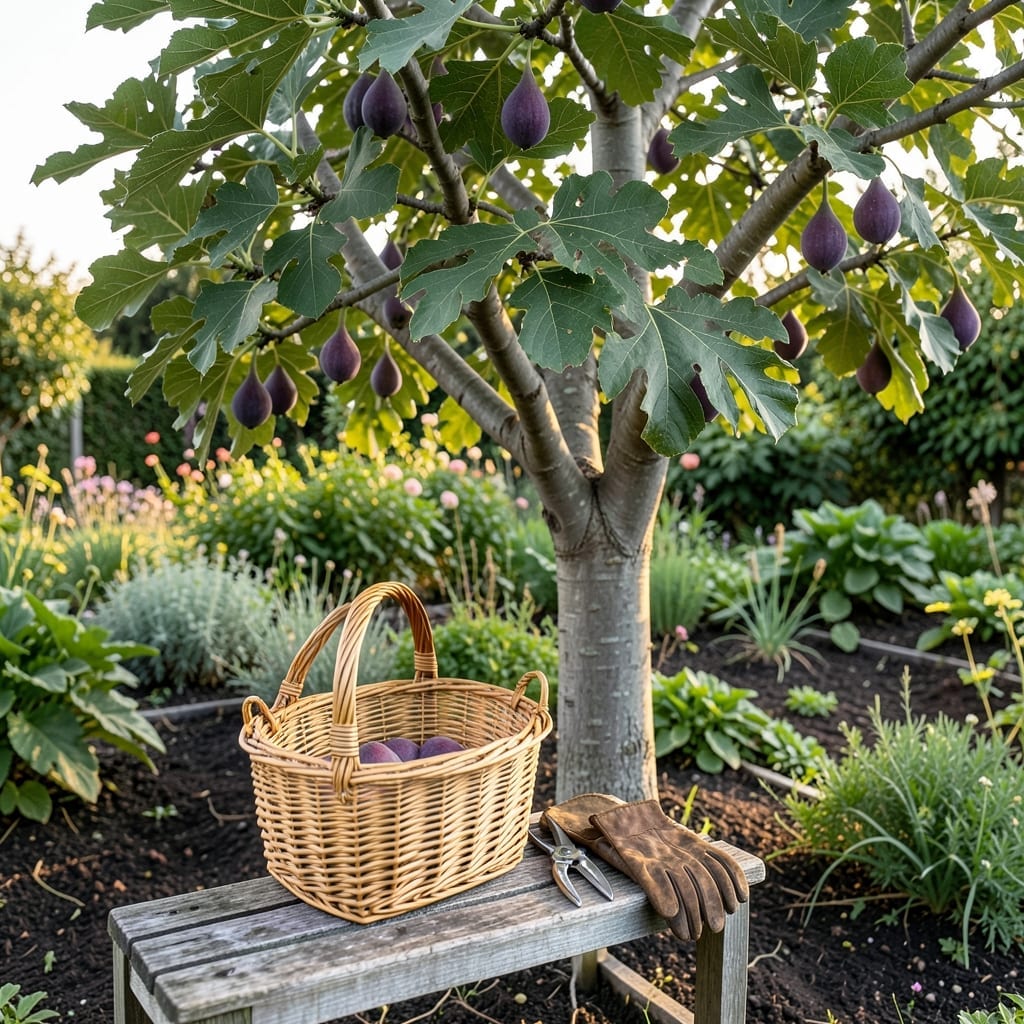
Knowing the exact moment to harvest figs can mean the difference between a mediocre crop and a burst of sweet, sun-ripened perfection. The 🍇 Fig tree gives subtle hints that are easy to overlook.
Those small changes in color and stem behavior are nature’s way of telling you the fruit is ready. I’ve learned that timing is everything when it comes to figs.
You’ll want to pay close attention to 2 key indicators that signal peak ripeness. These simple observations can transform your harvest from good to extraordinary.
Discover how to interpret these signs and enjoy the best flavor from your Fig tree every Late Summer – Early Fall season.


I’ve found that stem slip is the most reliable sign your figs are ready to pick. When a fig is ripe, it will detach easily from the stem with just a gentle tug. This natural separation happens as the fruit matures and the stem weakens.
Many gardeners make the mistake of pulling too hard or waiting for the fig to fall off naturally. But if you have to yank, it’s not ready. I always check by gently twisting the fruit—if it comes off smoothly, it’s perfect for harvest.
🌱 Pro Tip:
Test stem slip on a few figs first. If they resist, wait 2-3 days and check again. Ripe figs will drop slightly and feel soft to the touch.
I’ve learned that color alone isn’t enough to determine ripeness. Some fig varieties stay green even when ripe, while others turn deep purple. That’s why I always combine stem slip with other signs like soft texture and a sweet aroma.
Another common error is harvesting too early. If the fig is still firm or the stem doesn’t slip, it’s not ready. Picking unripe figs can lead to poor flavor and a mealy texture. I wait until the fruit feels slightly squishy when pressed.
For Black Mission figs, I look for a dark purple-black color and a slight droop. Brown Turkey figs turn a rich brown, while Celeste figs develop a light violet hue. But no matter the variety, stem slip is my go-to test.
I also check the eye of the fig—the small opening at the base. If it’s slightly open and oozing a bit of sweet syrup, that’s a great sign. This usually happens right as the stem begins to slip.
Timing matters too. I harvest my figs in the early morning when temperatures are cooler. This helps preserve the fruit’s freshness and prevents overripe splitting later in the day.
If you’re unsure, try the taste test. Pick one fig that shows stem slip and sample it. If it’s sweet and juicy, the rest are likely ready. If it’s bland or milky, give them another day or two.
Remember, figs don’t ripen well after picking, so timing your harvest is key. I aim to pick my figs at the peak of ripeness to enjoy their full, natural sweetness straight from the tree.
With practice, you’ll recognize the subtle signs quickly. Soon, stem slip will become second nature in your fig harvest routine ✂️
I’ve learned that fig color changes are one of the best visual cues for ripeness, but they vary by variety. For example, Black Mission figs shift from green to deep purple-black when ready.
Brown Turkey figs transition from green to brownish-purple, while Celeste figs turn a light violet or golden hue. These changes signal the fruit is nearing its peak sweetness.☀️
| Variety | Ripeness Color |
|---|---|
| Black Mission | Deep purple-black |
| Brown Turkey | Brownish-purple |
| Celeste | Light violet/golden |
However, color alone isn’t enough. I always pair it with the stem slip test—gently tugging the fruit to see if it detaches easily. If it does, the fig is likely perfectly ripe.
For green fig varieties like Kadota, the shift is subtler. They turn a lighter green and may develop a slight yellow tint. I check for softness and a sweet aroma to confirm.
I’ve found that early morning harvesting preserves the best flavor. The cooler temperatures help maintain the fruit’s natural sugars and prevent over-ripening.
Remember, under-ripe figs won’t continue ripening off the tree, so timing is everything. When in doubt, I wait for the stem to droop slightly—another sure sign.🌿