
Beautiful Plants For Your Interior
Beautiful Plants For Your Interior
That moment when your fiddle leaf fig finally pushes out a new branch? Pure magic. I’ve watched too many of these plants grow into tall, leggy monsters with just a few leaves at the top—until I learned the branching secret that transforms them into full, lush specimens. The trick isn’t complicated equipment or special fertilizers—it’s […]
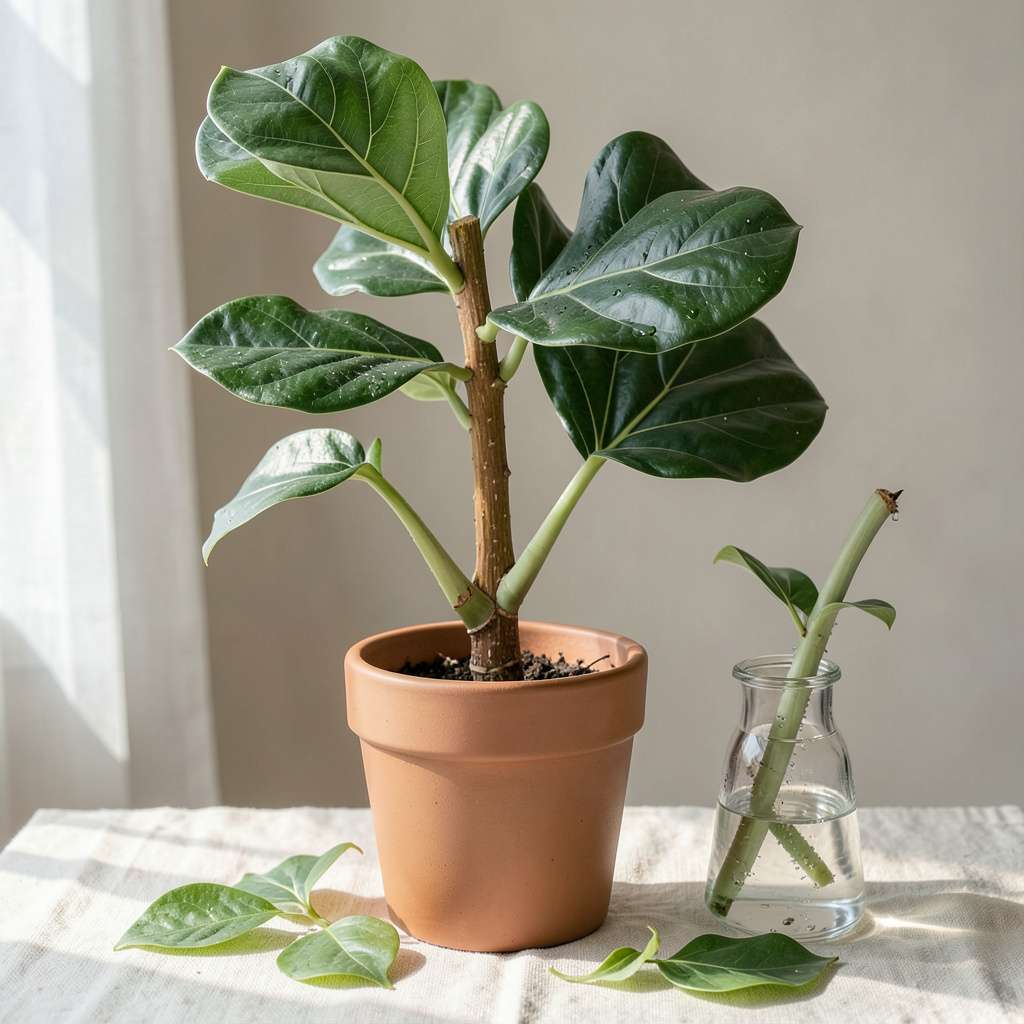
That moment when your fiddle leaf fig finally pushes out a new branch? Pure magic. I’ve watched too many of these plants grow into tall, leggy monsters with just a few leaves at the top—until I learned the branching secret that transforms them into full, lush specimens.
The trick isn’t complicated equipment or special fertilizers—it’s about understanding where growth happens. Every fiddle leaf has dormant buds along its stem just waiting for the right signal. With a few strategic cuts and light adjustments, you can wake those buds up and turn a single-stem plant into a multi-branched showstopper.
What you’ll get is a plant that looks like it belongs in a design magazine: fuller shape, more leaves, and that coveted bushy silhouette. The best part? This works on new plants and older specimens alike, as long as they’re healthy. I’ve rescued neglected figs using these same techniques.
Timing matters—do this in early spring when the plant is naturally gearing up for growth. You’ll see new shoots emerging within 3-4 weeks, and the transformation over a season is dramatic. Here’s exactly how to make it happen.
📚 In This Guide
This method transforms leggy Leaf Figs Grow: Expert Tips for Optimal Growth”>fiddle leaf figs into lush, multi-branched showpieces with just a few strategic cuts.
Examine your fiddle leaf fig for a healthy stem that’s at least 12-18 inches tall with several mature leaves. The ideal cutting point is just above a leaf node (the small bump where leaves emerge) but below the topmost leaves. I always choose a node that faces outward from the plant’s center—this directs new growth away from the main stem for better balance.
Never cut below the lowest leaf on the stem, as this section lacks the dormant buds needed for branching. Use your fingers to gently feel along the stem—you’ll detect slight ridges at each node. These are your targets. Mark the spot with a piece of tape if needed; precision here determines your plant’s future shape.
With sterilized pruning shears, make a clean 45-degree angle cut just 1/4 inch above your chosen node. The angle prevents water pooling while maximizing the surface area for new growth. I wipe my shears with rubbing alcohol before each cut to prevent bacterial transfer—fiddle leaf figs are notoriously sensitive to infections.
Expect to see white, milky sap oozing from the wound—this is normal. Don’t wipe it away; the sap actually helps seal the cut. If you’re propagating the cutting, immediately place it in water. For the mother plant, you’ll see the cut area form a callus within 2-3 days, which is your first sign that branching will occur.
After pruning, move your plant to a spot with bright, indirect light (east-facing windows are perfect) and maintain temperatures between 65-75°F. I’ve found that rotating the pot 90 degrees every 3 days ensures even light distribution to the wound site, which stimulates balanced branching.
Increase humidity around the plant by misting daily or using a pebble tray—new growth emerges faster in 50-60% humidity. You’ll notice a small bump forming at the cut site within 2-3 weeks. This is the new branch initial; resist the urge to fertilize until you see actual leaf development, which typically appears 4-6 weeks after pruning.
Once new branches reach 4-6 inches long, begin gently tying them to small stakes if they need support. I use soft plant ties that won’t cut into the delicate new growth. Rotate the plant weekly to prevent the new branches from growing toward the light source unevenly—this creates that coveted symmetrical look.
When the new branches develop 3-4 mature leaves, you can prune their tips to encourage secondary branching. Always make these follow-up cuts just above an outward-facing node. The key is patience: each branching event takes 6-8 weeks to fully establish, but the result is a dramatically fuller plant that would cost hundreds at a nursery.
Every 6-8 months, assess your plant’s shape and make maintenance cuts to encourage continued branching. I remove any branches that cross over others or grow inward toward the center. This opens up the plant’s interior to light and air circulation, which prevents the leaf drop that plagues dense fiddle leaf figs.
Remember that each cut you make should serve two purposes: improving the plant’s shape and encouraging new growth. Over time, you’ll develop an eye for where to cut—look for nodes that will create the most balanced silhouette. The more you prune strategically, the bushier and more architectural your fiddle leaf fig will become, with that coveted “interior design magazine” look that makes these plants so valuable.
Here’s what I’ve learned from years of transforming leggy fiddle leaf figs into stunning, multi-branched specimens.
Precision Cutting: In Step 2, that 45-degree angle cut just 1/4 inch above the node is absolutely critical. I’ve found that cutting too close (less than 1/4 inch) can damage the node, while cutting too far away leaves an unsightly stub that may rot. Always sterilize your shears between cuts—fiddle leaf figs are particularly vulnerable to bacterial infections, and I’ve lost entire branches to careless pruning.
Environmental Control: The 65-75°F temperature range mentioned in Step 3 isn’t just a suggestion—it’s the sweet spot for branching success. I’ve noticed that temperatures below 60°F can delay new growth by weeks, while anything above 80°F causes stress. If your home runs cool, consider a small space heater near the plant (but not too close) to maintain that ideal range during the critical 2-3 week period when new branches begin forming.
Patience With New Growth: When you see that small bump forming at the cut site after 2-3 weeks, resist the urge to celebrate too soon. This is just the beginning of a 6-8 week process. I’ve made the mistake of fertilizing too early, which can actually stunt development. Wait until you see actual leaf formation (typically at the 4-6 week mark) before introducing any fertilizers. The plant needs to focus its energy on structural development first.
Long-Term Strategy: Every 6-8 months when you’re doing maintenance cuts, remember that each pruning decision affects the plant’s shape for years. I always step back and visualize the plant’s silhouette before making cuts. Remove inward-growing branches first—they’ll cause problems later by blocking light and air circulation to the plant’s center, which is exactly what leads to that frustrating leaf drop fiddle leaf figs are known for.
Here are the most common questions about encouraging branching in your fiddle leaf fig—answered simply and clearly!
Patience is key! After a clean cut just above a leaf node, new growth typically appears in 4–8 weeks, depending on light, humidity, and season. Spring/summer pruning yields faster results, while winter may slow progress. Keep conditions stable to speed things up!
Can I make my fiddle leaf fig branch without pruning?
Yes! Try these gentler methods:
Results may take longer than pruning.
Common culprits include:
If the stem is brown/mushy, root rot may be the issue.
Late spring to early summer (May–July) is ideal—your plant is in active growth mode! Avoid pruning in fall/winter when energy is low. If you must prune off-season, provide extra humidity and grow lights to support recovery.
Nope—if done right! Never remove more than 20–30% of foliage at once. Always cut just above a leaf node (the bump where leaves grow) at a 45° angle. Healthy plants bounce back stronger with proper aftercare (bright light, consistent moisture).
Encouraging your fiddle leaf fig to branch doesn’t have to be a mystery! With the right pruning techniques, patience, and a little TLC, you can transform a leggy plant into a lush, full showstopper. 🌿 Remember, every snip is a step toward a healthier, happier houseplant—so don’t be afraid to get hands-on!
Ready to take action? Grab your pruning shears and start with a single confident cut today. Your fiddle leaf fig will thank you with fresh growth—and you’ll be rewarded with a stunning, bushy centerpiece for your space!
