
Beautiful Plants For Your Interior
Beautiful Plants For Your Interior
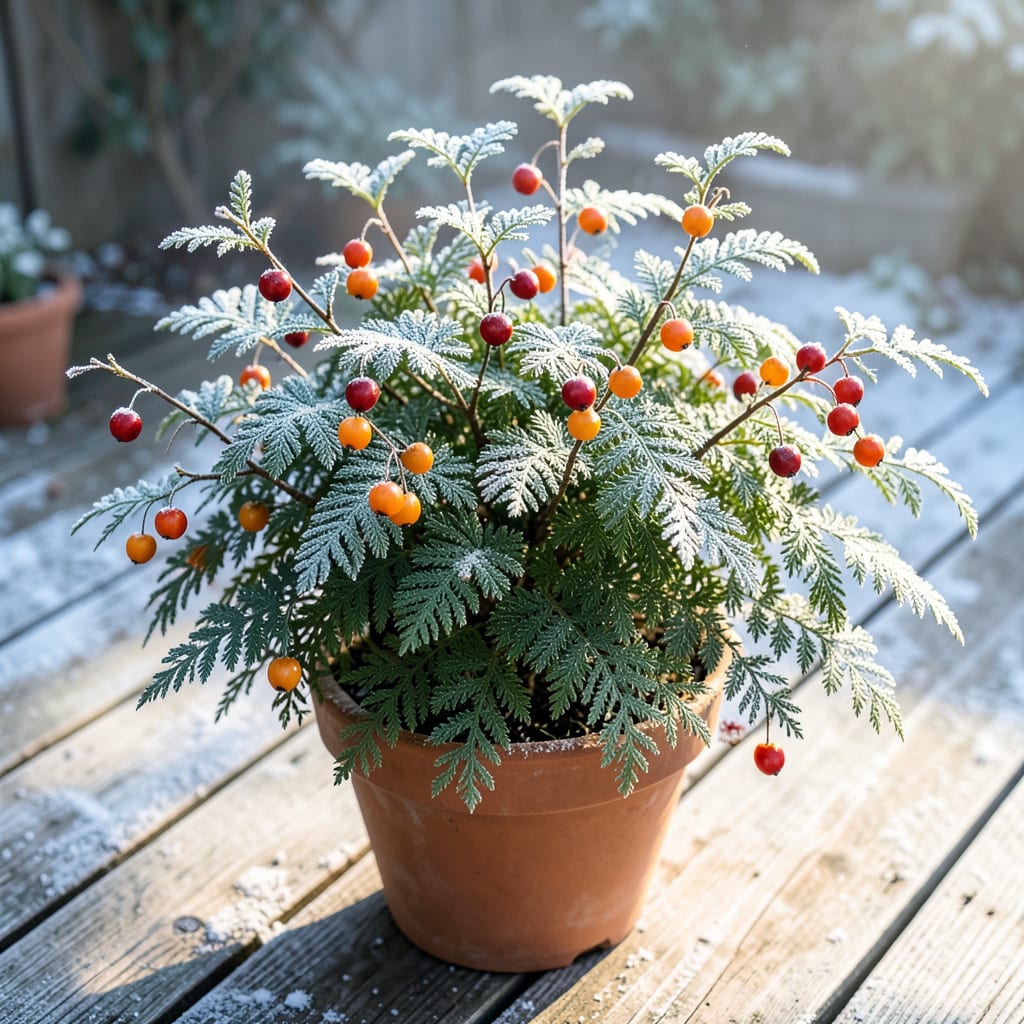
There’s nothing like the pop of red berries against fresh snow. Fern leaf buckthorn delivers that winter drama while asking almost nothing in return.
This shrub handles subzero temps without fuss. I’ve watched mine thrive through three ice storms with zero protection—just plant it, forget it, and enjoy the show all season.
📚 In This Guide
Here’s the method I rely on to keep your plants thriving through the coldest months.
Begin by examining your shrub in late fall, before the first hard frost. Look for vibrant green foliage and firm, unblemished berries—these are signs of a plant ready to weather winter. Remove any damaged or diseased branches immediately to prevent energy loss and pest overwintering.
Check the soil moisture as well. It should feel slightly damp but not waterlogged. Overly wet soil can freeze and damage roots, while bone-dry conditions stress the plant. A quick finger test will tell you if additional watering is needed before the ground freezes.
Spread a 2-3 inch layer of organic mulch, such as shredded bark or straw, around the base of the plant. This insulates the root zone, moderating soil temperature and preventing freeze-thaw cycles that can heave roots out of the ground.
Keep the mulch a few inches away from the trunk to avoid rot. The goal is to create a buffer, not a mound. You’ll know it’s working when the soil beneath stays consistently cool but not frozen solid during cold snaps.
Erect a burlap screen or use a wooden frame wrapped in landscape fabric on the windward side of the plant. This breaks the force of winter winds, which can desiccate evergreen foliage and snap branches under the weight of snow or ice.
After heavy snowfall, gently brush off accumulations with a soft broom to prevent branch breakage. The berries should remain plump and brightly colored—a clear sign the plant is coping well with the conditions.
Throughout the season, inspect the plant for signs of stress, such as yellowing leaves or premature berry drop. These often indicate either too much moisture or not enough protection. Adjust your approach as needed—sometimes a thicker mulch layer or an additional windbreak is all it takes.
On milder winter days, when temperatures rise above 40°F, check that the soil hasn’t dried out completely. A deep watering during these thaws can prevent root desiccation, especially for newly planted shrubs.
As winter wanes, resist the urge to remove all protective measures too early. Sudden late frosts can still damage new growth. Instead, gradually thin the mulch layer as temperatures rise, allowing the soil to warm naturally.
Prune any winter-damaged branches in early spring, just before new growth begins. This stimulates healthy regrowth and ensures the plant directs energy toward strong, productive stems and an abundance of those striking red berries next season.
Here’s what I’ve learned keeps these shrubs thriving through even the harshest winters.
The Moisture Balance: That slightly damp but not waterlogged soil in Step 1 is critical. Overwatering before freeze-up creates ice lenses that can rupture roots, while dry soil leads to desiccation. I’ve found that checking moisture with your finger—a quick press into the top inch—gives the most accurate read before the ground hardens.
Mulch Placement: In Step 2, resist the urge to mound mulch against the trunk. That 2-3 inch layer of shredded bark or straw should create a donut shape around the base, leaving a few inches of bare soil around the stem. This prevents rot while still insulating the root zone against temperature swings.
Windbreak Timing: The burlap screen or wooden frame in Step 3 needs to go up before the first hard frost, not after snow arrives. Winter winds are most damaging early in the season when plants haven’t fully acclimated. I’ve saved several shrubs from desiccation by setting up protection as soon as nighttime temps dip below 40°F.
Thaw Day Protocol: Step 4’s advice about watering during thaws above 40°F is non-negotiable for newly planted buckthorn. The combination of frozen ground and winter winds can pull moisture from roots faster than you’d expect. A deep soak during these warm spells makes all the difference.
Fern leaf buckthorn is semi-evergreen, so it may retain some foliage in mild winters but often drops leaves in harsh conditions. Its vibrant red berries remain a standout feature even after leaf drop.
Plant in early fall to allow roots to establish before winter. This timing ensures the shrub is hardy enough to showcase its bright berries against snow.
Yes! Consider winterberry holly or firethorn for similar red berry displays. Both thrive in cold climates and provide striking winter contrast.
Lack of sunlight or improper pruning can reduce berry vibrancy. Ensure full sun exposure and avoid heavy pruning after flowering to maintain bold color.
