
Beautiful Plants For Your Interior
Beautiful Plants For Your Interior
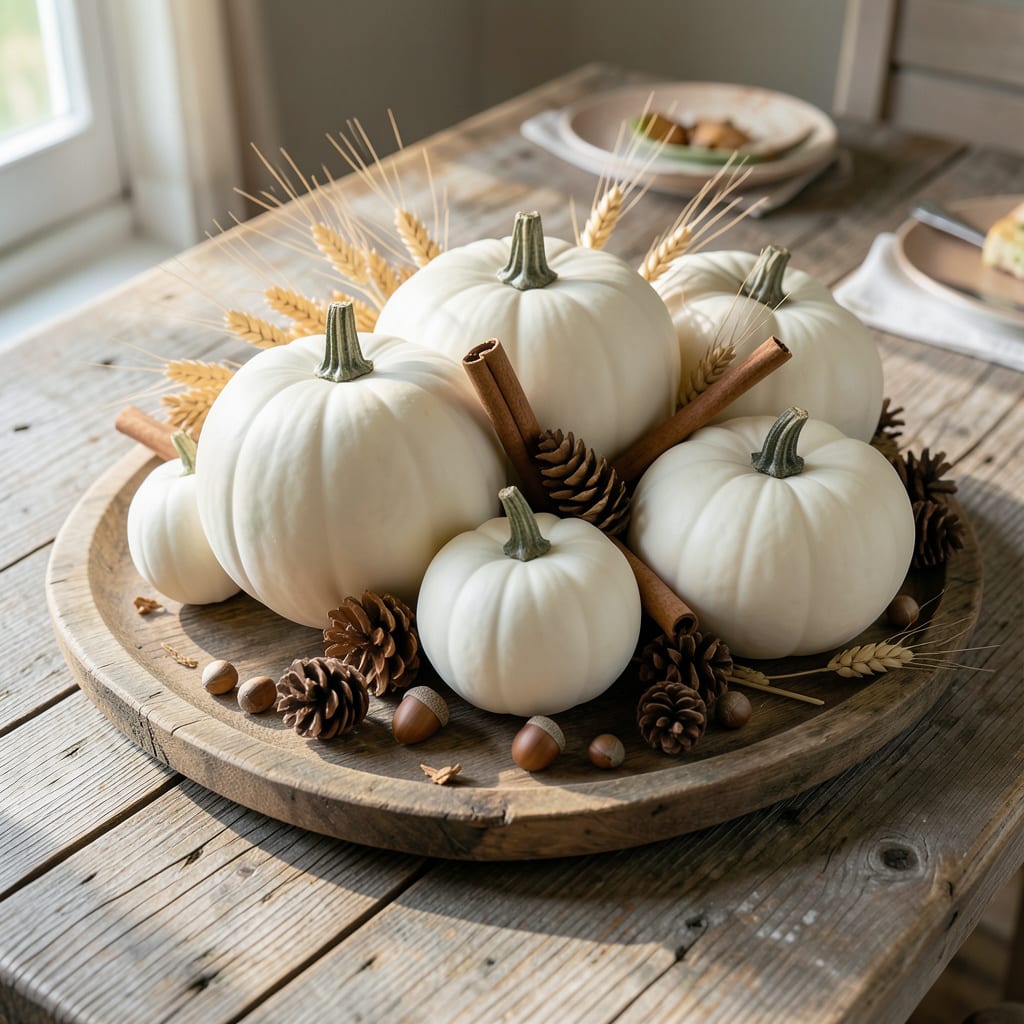
White pumpkins transform a plain porch into an elegant autumn retreat. I’ve used them for years to create stunning centerpieces that feel both rustic and refined, blending seamlessly with the season’s natural palette.
Pair them with dried grasses, pinecones, or late-blooming mums for texture and depth. The contrast of crisp white against deep oranges and browns is unbeatable, and it lasts well into November with minimal upkeep.
📚 In This Guide
This method transforms simple white pumpkins into stunning centerpieces that last throughout the season.
Choose 4-6 white pumpkins of varying sizes for visual interest. Look for smooth, unblemished surfaces free of soft spots or deep scratches. I prefer the ‘Luminia’ or ‘Ghost’ varieties as they hold their color longer and have a clean, matte finish.
Wipe each pumpkin with a damp cloth to remove dirt and debris. Let them air-dry completely before arranging—this prevents mold growth that can ruin your display prematurely. A dry surface also makes any decorative touches adhere better.
Select a large, shallow container like a wooden tray, galvanized tub, or woven basket. The container should be wide enough to hold all pumpkins with 2-3 inches of space between them. This spacing allows for layering with additional elements.
Line the bottom with a layer of burlap or a neutral-colored cloth to create texture and prevent the pumpkins from sliding. If using a metal container, add a thin layer of sphagnum moss first to protect the pumpkins’ undersides from moisture.
Place the largest pumpkin slightly off-center in the container as your anchor piece. This creates a natural focal point. Then, cluster the smaller pumpkins around it, varying their heights by stacking a few on upside-down saucers or small pedestals.
Rotate the pumpkins until their best sides face outward. Check from multiple angles to ensure the arrangement looks balanced. I like to step back 5-6 feet and squint—if it looks pleasingly blurred, the proportions are right.
Fill gaps with seasonal elements like dried hydrangea blooms, pinecones, or bunches of cinnamon sticks. These add height and texture without overwhelming the pumpkins. Stick to a neutral color palette—creams, tans, and deep browns—to keep the display elegant.
For a finishing touch, tuck in a few battery-operated fairy lights or a small LED candle. The soft glow enhances the pumpkins’ white tones in the evening. Secure any loose items with a dab of museum putty to prevent shifting in windy conditions.
Check the arrangement weekly for signs of decay. White pumpkins typically last 4-6 weeks in cool, dry conditions. If any begin to soften, replace them promptly to keep the display fresh.
If rain is in the forecast, move the container under a covered porch or awning. Prolonged moisture will cause pumpkins to rot quickly. A light dusting of clear acrylic spray can add a protective layer, but test it on one pumpkin first to ensure it doesn’t yellow the surface.
Here’s what I’ve learned from creating these displays year after year.
Pumpkin Selection: For Step 1, choose ‘Luminia’ or ‘Ghost’ varieties as mentioned—they truly last longer than other white pumpkins. Look for ones with stems still attached, as this helps prevent early decay. Avoid any with green tinges, as they’re not fully mature and won’t last as long.
Container Choice: In Step 2, if you’re using a metal container, the sphagnum moss layer is non-negotiable. Metal conducts cold, which can cause condensation that rots pumpkins from the bottom. A wooden tray or woven basket won’t have this issue, so you can skip the moss with those.
Arrangement Trick: The 5-6 feet viewing test in Step 3 works surprisingly well. If your display looks good from that distance, it’ll look even better up close. I also recommend taking a photo with your phone—sometimes the camera picks up imbalances your eye misses.
Maintenance Wisdom: For Step 5, that 4-6 week lifespan assumes ideal conditions. In hot climates, check daily after the 3-week mark. The clear acrylic spray can extend life, but as noted, always test it first—some brands do yellow the surface, especially on matte-finish pumpkins.
With proper care, white pumpkins in centerpieces can last 2-4 weeks. Keep them in a cool, dry area away from direct sunlight to prevent premature decay. For longer displays, consider using faux pumpkins.
Yes! Real white pumpkins offer authenticity but require maintenance, while faux pumpkins are reusable and weather-resistant. For outdoor porches, faux pumpkins are ideal to avoid rot or pest issues.
Start with a sturdy base (like a tray or basket), then layer with greenery, candles, or fall foliage. Vary pumpkin sizes for depth, and add accents like pinecones or berries for texture.
Spritz real pumpkins with a vinegar-water mix or commercial repellent. Alternatively, opt for plastic or foam pumpkins to deter pests without harming wildlife.
