
Beautiful Plants For Your Interior
Beautiful Plants For Your Interior
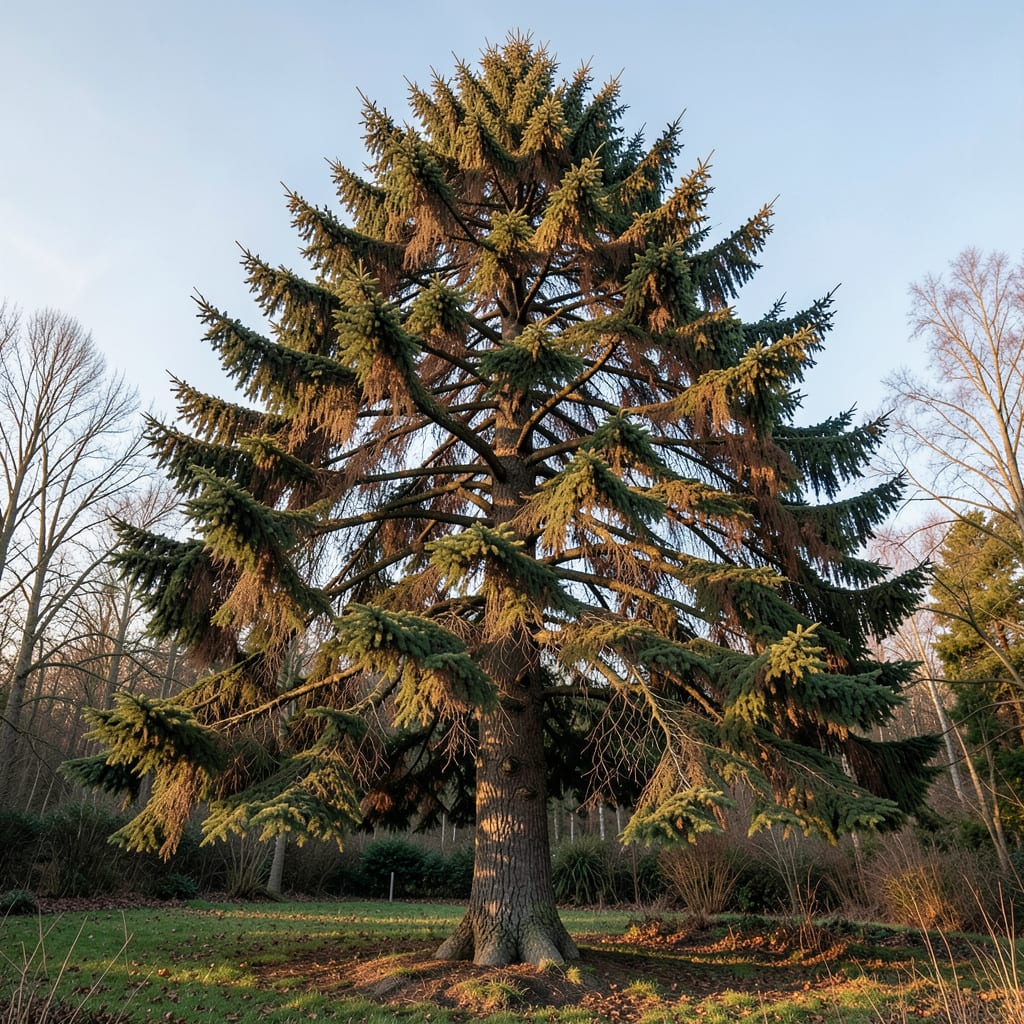
That sinking feeling when your evergreen starts looking more like a Charlie Brown tree. I’ve stood in my yard, staring at brown patches, wondering if it’s too late to save them.
Turns out most browning comes from stress—drought, poor drainage, or winter burn. The good news? You can often nurse them back with the right approach. I’ve brought trees back from the brink with simple fixes.
What you’re looking for are early signs: needle discoloration, dry branches, or unusual spotting. Catch it soon enough and you can reverse the damage before it spreads.
Works for pines, spruces, and firs alike. Here’s how to diagnose and treat the problem.
Evergreens are prized for their year-round vibrancy, but when their needles or foliage start turning brown, it’s often a sign of stress. Here’s a breakdown of the most common causes, rooted in science and actionable insights.
Evergreens require consistent moisture, especially in their root zones. Xerosis (excessive dryness) occurs when the tree’s water uptake can’t keep up with transpiration—often due to shallow roots or compacted soil. Brown needles appear first at the tips or outer branches, as these are the farthest from water sources. Fix: Deep watering (1–2 inches per week) at the drip line (not the trunk) encourages deep root growth.
Pathogens like Rhizosphaera or Stigmina (needle cast) thrive in wet, poorly ventilated conditions. These fungi block the tree’s vascular system, causing brown or blackened needles that may drop prematurely. Signs: Look for tiny black fruiting bodies on needles. Fix: Prune infected branches, improve airflow, and apply copper-based fungicides in early spring or fall.
Evergreens prefer acidic to neutral soil (pH 5.0–7.0). Alkaline soils (pH >7.5) lock out essential nutrients like iron and manganese, leading to chlorosis—yellowing between veins, followed by browning. Fix: Test soil pH and amend with sulfur or elemental iron to lower pH gradually.
Sap-sucking pests like spider mites, bark beetles, or scale insects damage needles by extracting fluids and spreading toxins. Brown or bronze discoloration often appears in patches or along branch tips. Fix: Inspect undersides of needles for webs or sticky residue (honeydew). Use horticultural oil or beneficial nematodes for organic control.
In cold climates, evergreens lose moisture through transpiration but can’t replenish it from frozen soil. This causes desiccation, turning needles brown—especially on the windward side of the tree. Fix: Apply anti-desiccant sprays in late fall and mulch heavily to retain soil moisture.
If your evergreen is turning brown, don’t panic—most issues are fixable with the right care. Below are targeted solutions for common causes, along with prevention tips to keep your tree thriving. 🌲✨
Fix: Deeply water the tree at its base, ensuring moisture reaches the root zone (about 12–18 inches deep). Use a slow-drip hose or soaker for 30–60 minutes, 1–2 times per week during dry spells. Mulch around the base (2–4 inches of wood chips) to retain moisture.
Prevention: Check soil moisture weekly by inserting a screwdriver—if it’s hard to push in, it’s too dry. Young trees need consistent hydration for the first 2–3 years.
Fix: Stop watering immediately and let the soil dry out. If the area is soggy, improve drainage by amending the soil with compost or creating a small trench to redirect water. For potted evergreens, ensure containers have drainage holes.
Prevention: Plant evergreens in well-draining soil, and avoid low-lying spots where water pools. Use a moisture meter to avoid guesswork.
Fix: Prune affected branches (sterilize tools with rubbing alcohol between cuts) and dispose of them far from the tree. Apply an organic copper fungicide or neem oil spray to the foliage, following label instructions. For severe cases, consult a local arborist.
Prevention: Space trees properly for airflow, water at the base (not overhead), and avoid working with wet foliage to reduce disease spread.
Fix: Blast pests like spider mites or aphids off with a strong stream of water. For stubborn invaders, use insecticidal soap or horticultural oil. Apply in the early morning or late evening to avoid harming beneficial insects.
Prevention: Inspect trees regularly for signs of pests (e.g., webbing, sticky residue). Encourage natural predators like ladybugs by planting companion flowers nearby.
Fix: Shield trees from harsh winds with burlap wraps or evergreen screens. Apply an anti-desiccant spray to needles in late fall to reduce moisture loss. Water deeply before the ground freezes to help roots store reserves.
Prevention: Plant windbreaks or hardy species suited to your climate. Avoid late-season fertilizing, which can promote tender new growth vulnerable to frost.
Yes, often! If caught early, deep watering and addressing the root cause (drought, pests, etc.) can restore health. Dead needles won’t regrow, but new growth will emerge if the tree recovers.
Drought causes uniform browning from the tips inward. Disease often shows spots, patches, or black fruiting bodies on needles. Check soil moisture and inspect foliage closely.
Only if they’re fully dead. Use sterilized tools and cut back to healthy wood. Avoid heavy pruning during active browning—wait until the tree stabilizes.
Avoid fertilizing stressed trees—it can worsen the problem. Focus on water and soil health first. Test soil before adding nutrients to prevent overfeeding.
