
Beautiful Plants For Your Interior
Beautiful Plants For Your Interior
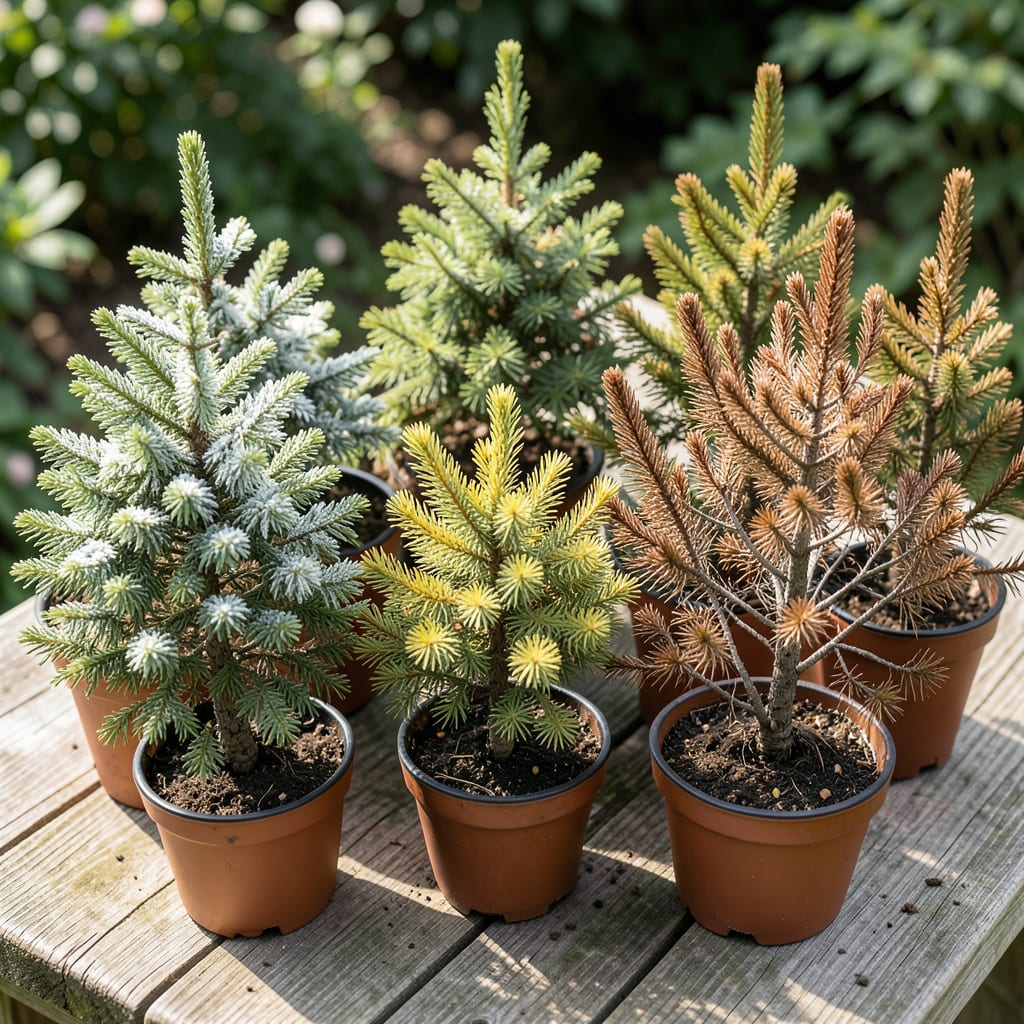
Brown spots on your boxwoods or yellowing arborvitae needn’t spell disaster. I’ve learned the hard way that catching evergreen diseases early makes all the difference between a quick fix and a lost plant.
Most shrub problems announce themselves with telltale patterns—dark lesions, powdery coatings, or needle drop that starts in one section. The key is matching what you see with the right solution before it spreads to healthy branches.
You’ll find that 90% of issues respond to better air circulation, proper watering, or a simple fungicide spray. My own junipers bounced back within 2 weeks of treatment once I identified the culprit.
This guide cuts through the confusion with clear images and actionable steps. No guesswork, just results for your landscape investment.
Evergreen shrubs can fall victim to diseases due to a variety of environmental, biological, and cultural factors. Understanding the root causes helps you prevent and manage issues before they escalate. Below are the primary reasons why these diseases occur.
Prolonged exposure to extreme weather conditions weakens evergreen shrubs, making them more susceptible to diseases. Drought stress reduces vigor, while excessive moisture (from poor drainage or overwatering) creates ideal conditions for fungal and bacterial pathogens like Phytophthora root rot or needle blight. Temperature fluctuations, especially late frosts, can also damage tissues, leaving entry points for infections.
Many evergreen diseases are caused by opportunistic pathogens that thrive in specific conditions. Fungi such as Cercospora and Botrytis spread through airborne spores or contaminated tools, infecting foliage and stems. Bacteria like Pseudomonas syringae enter through wounds or stomata, leading to leaf spots or cankers. These pathogens often exploit overcrowded plantings or poor air circulation, which limit drying and encourage spore germination.
Insects such as aphids, scale, and borers create entry wounds that allow pathogens to invade. For example, bark beetles can introduce fungi that cause vascular wilts. Additionally, sap-sucking pests weaken the plant, reducing its ability to fend off infections. Regular monitoring for pests and prompt treatment can minimize this risk.
Improper care is a leading cause of disease in evergreens. Over-fertilization (especially with high-nitrogen formulas) promotes lush, soft growth that’s more vulnerable to pests and diseases. Improper pruning—such as using dull tools or cutting at the wrong time—can leave jagged wounds that invite infection. Additionally, planting in unsuitable soil (e.g., heavy clay for moisture-sensitive species) or ignoring spacing guidelines can stress shrubs and create disease hotspots.
Tackling evergreen shrub diseases starts with quick action and the right approach. Below are practical solutions mapped to common problems, along with prevention tips to keep your shrubs thriving.
Fungal issues like leaf spot or needle blight thrive in damp, crowded conditions. Prune affected branches immediately to improve airflow, and remove fallen debris where spores hide. Apply a copper-based fungicide or neem oil every 7–10 days until symptoms fade. Prevention tip: Space plants properly and water at the base to keep foliage dry. 💡
Sap-sucking pests like aphids or spider mites weaken shrubs and spread disease. Blast them off with a strong stream of water, or use insecticidal soap for mild cases. For severe infestations, opt for horticultural oil or systemic insecticides. Prevention tip: Encourage beneficial insects (e.g., ladybugs) and inspect plants weekly. 🎯
Overwatering or poor drainage leads to root rot, causing wilting and yellowing. Stop watering immediately and let the soil dry out. Trim black, mushy roots and repot or amend the soil with compost to improve drainage. Prevention tip: Use well-draining soil and ensure containers have drainage holes. ✨
Yellowing leaves or stunted growth often signal nutrient shortages. Apply a balanced, slow-release fertilizer (10-10-10) in early spring. For persistent issues, test your soil to identify deficiencies (e.g., iron or magnesium) and adjust accordingly. Prevention tip: Feed shrubs annually and mulch to retain moisture and nutrients. 🌡️
Regular monitoring and early intervention are key to managing evergreen shrub diseases. Pair these fixes with good cultural practices to keep your garden healthy year-round.
Look for dark spots, powdery coatings, or unusual leaf drop. Fungal issues often start with discolored patches that spread quickly in wet conditions.
Prune affected areas immediately and sterilize tools between cuts. Improve airflow by spacing plants properly and water at the base.
Yes, soggy soil creates ideal conditions for root rot and fungal growth. Always check soil moisture before watering and ensure good drainage.
At the first sign of trouble, then repeat every 7–10 days until symptoms disappear. Early treatment prevents widespread damage.
