
Beautiful Plants For Your Interior
Beautiful Plants For Your Interior
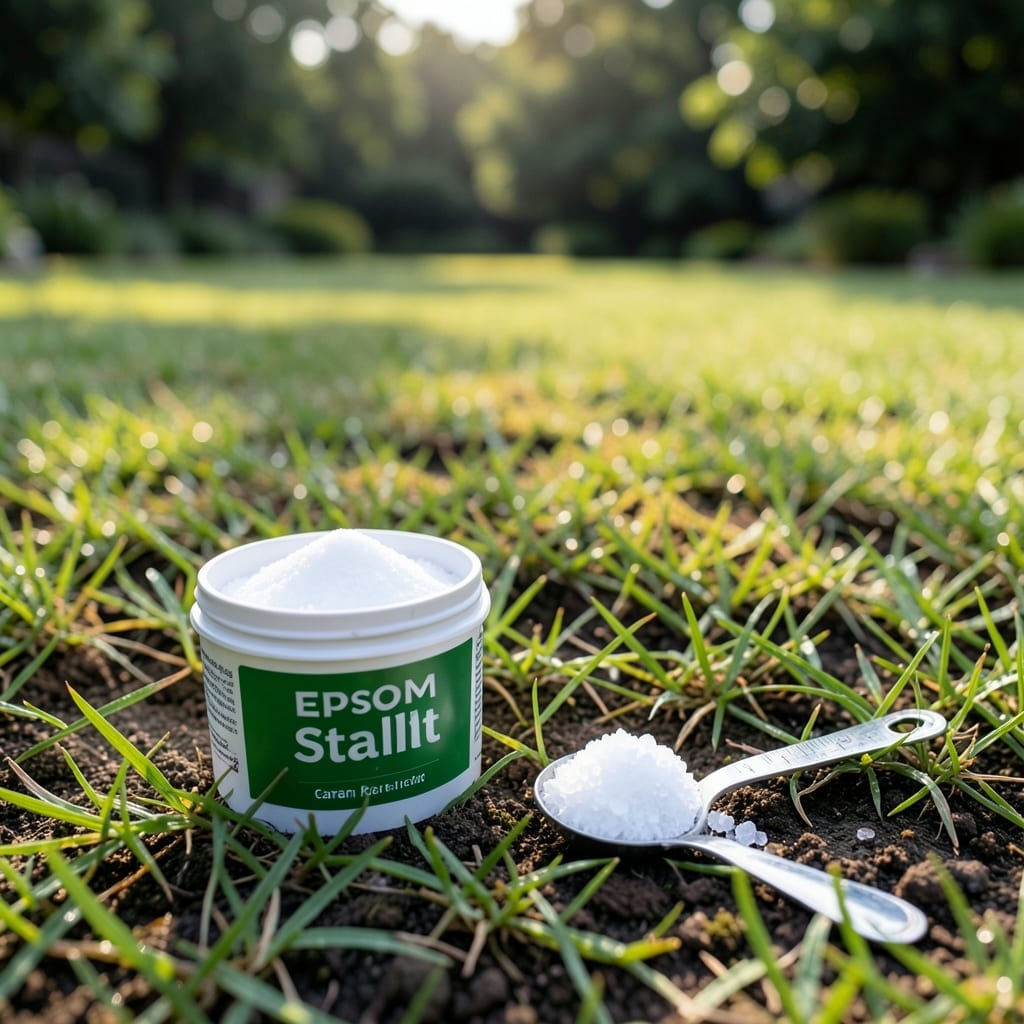
Brown patches in summer ruined my lawn for years. Then I discovered this simple mineral solution that brings grass back to life without harsh chemicals.
Epsom salt works because it strengthens grass while starving the fungus. The magnesium boosts chlorophyll production while the sulfur makes the turf less appealing to invaders. My lawn went from spotty to vibrant green in two weeks.
Mix 3 tablespoons per gallon of water and spray affected areas. Reapply every 2-3 weeks during active growth. It’s safe for kids and pets once dry.
Best part? This costs pennies compared to commercial fungicides. Just don’t overdo it—too much can harm soil balance.
Lawn fungus thrives when conditions disrupt your turf’s natural defenses. Understanding the root causes helps you target the problem effectively. Below are the most common triggers for fungal growth in lawns.
Fungus loves damp environments. Overwatering, poor drainage, or frequent rain can create a soggy lawn—perfect for spores to take hold. Grass blades stay wet longer, giving fungi like brown patch or dollar spot the moisture they need to spread. Action step: Water deeply but infrequently (1–1.5 inches per week), and always in the early morning so grass dries quickly.
Warm, humid weather (especially 70–90°F with high humidity) accelerates fungal spores’ growth. These conditions stress grass, weakening its ability to resist infection. Action step: Improve airflow by mowing at the correct height (taller grass shades soil, reducing evaporation and heat stress) and aerating compacted soil.
Compacted or nutrient-poor soil weakens grass, making it vulnerable. Low nitrogen or imbalanced pH (below 6.0 or above 7.5) can stress turf, while thatch buildup traps moisture against the soil surface. Action step: Test soil annually and amend with organic matter or lime/sulfur to balance pH. Dethatch if the layer exceeds 0.5 inches.
Fungal spores spread easily via mowers, shoes, or even pets. If you mow a diseased area and then a healthy one, you risk cross-contamination. Action step: Clean mower blades with a 10% bleach solution between uses, and avoid walking on wet grass to prevent spore transfer.
Tackling lawn fungus doesn’t have to mean harsh chemicals. Epsom salt, a natural magnesium sulfate compound, can help restore your turf’s health when used correctly. Below are targeted solutions for common fungal issues, along with prevention tips to keep your lawn vibrant.
These fungi thrive in warm, humid conditions, leaving circular dead spots in your grass. Mix 1 cup of Epsom salt with 5 gallons of water and spray the affected areas early in the morning. The magnesium boosts grass resilience while the sulfur helps deter fungal growth. Prevention tip: Avoid overwatering and improve drainage to reduce moisture buildup. 💡 Mow regularly to enhance air circulation.
This white, powdery fungus often appears on grass blades in shaded, damp areas. Dissolve 2 tablespoons of Epsom salt in a gallon of water and apply it as a foliar spray. Repeat every 2 weeks until the issue clears. Prevention tip: Trim nearby shrubs to allow more sunlight, and 🌡️ water in the early morning so the lawn dries quickly.
Identifiable by orange or yellowish pustules on grass blades, rust fungus spreads in slow-growing, stressed lawns. Apply a solution of 1 tablespoon of Epsom salt per gallon of water to the affected patches. For severe cases, repeat weekly. Prevention tip: ✨ Fertilize properly to avoid nutrient deficiencies, and remove grass clippings to prevent reinfection.
For all treatments, test a small area first to ensure your grass tolerates the solution. Pair Epsom salt applications with good lawn care practices—like aerating and overseeding—to strengthen your turf against future fungal attacks.
Apply the mixture every 2-3 weeks during active growth. For severe cases, you can repeat weekly until the fungus clears. Always water in the morning to allow time for drying.
Most grass types tolerate it well, but test a small area first. Bermuda, St. Augustine, and fescue typically respond positively. Avoid overuse on delicate varieties.
Use 3 tablespoons per gallon for general treatment. For stubborn patches, increase to 1 cup per 5 gallons. Spray evenly and avoid pooling.
Epsom salt is safe in moderation and actually improves soil health by adding magnesium and sulfur. However, excessive use can disrupt the pH balance.