
Beautiful Plants For Your Interior
Beautiful Plants For Your Interior
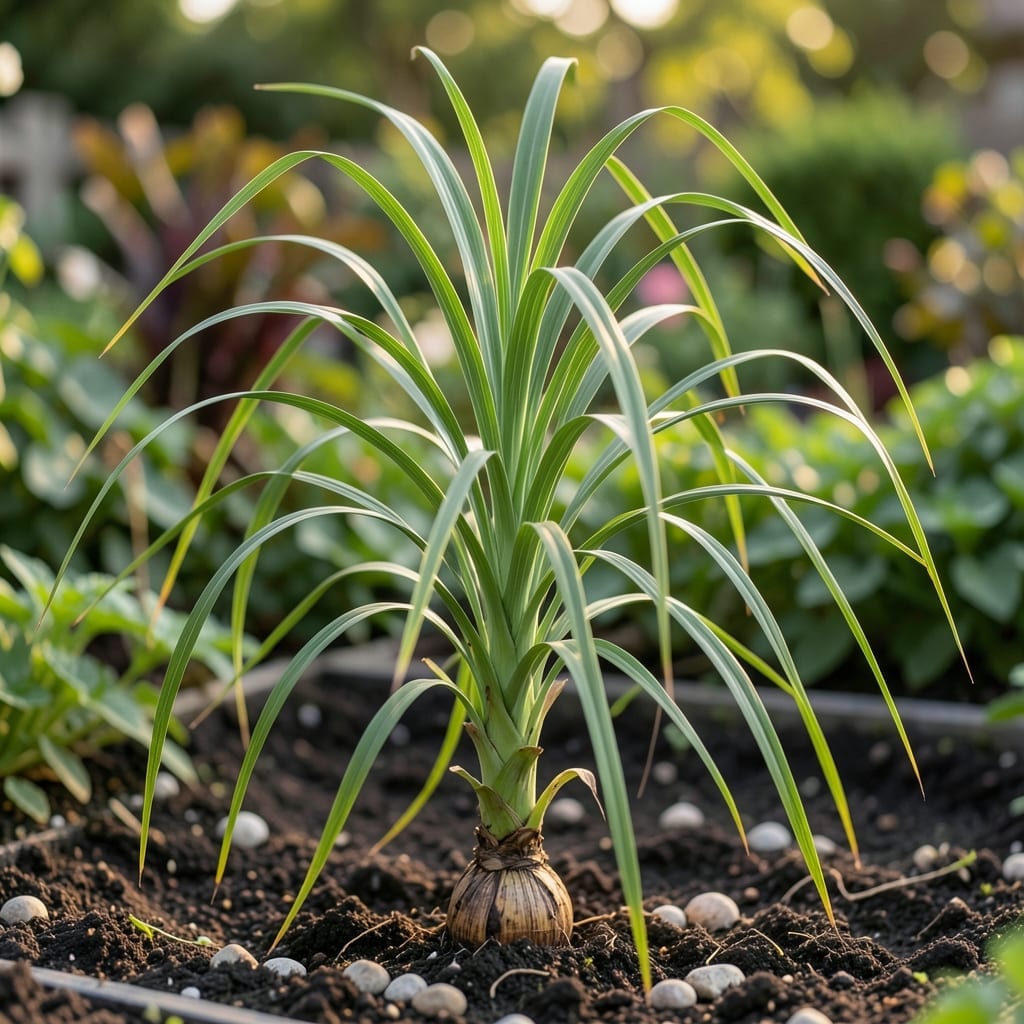
If your 🌿 Lemongrass looks more sad than vibrant, the culprit might be hiding in plain sight – your sunlight setup.
This tropical favorite needs just the right light balance to thrive, and many gardeners accidentally shortchange it. Getting this right means lush, fragrant stalks instead of weak, struggling plants.
Discover how to nail the perfect sun exposure for your Lemongrass, whether you’re growing it in containers or directly in your garden bed.

If you’ve ever wondered “does lemon grass need full sun”, the answer is a resounding yes. This tropical plant thrives with 6-8+ hours of direct sunlight daily. Anything less often results in leggy growth and weaker stalks.
While it can tolerate partial shade, especially in scorching climates, too little light leads to pale leaves and reduced fragrance. For best results, prioritize full sun exposure in your garden or containers.
| Requirement | Specification |
|---|---|
| Ideal Sunlight | 6-8+ hours daily |
| Minimum Sun | 4-6 hours |
| Shade Tolerance | Low (prefers full sun) |
| Signs of Low Light | Leggy, pale, weak stems |
In hotter regions, like USDA zones 10-11, a bit of afternoon shade can prevent leaf scorch. However, in temperate climates, full sun is non-negotiable for robust growth.
I’ve seen lemon grass flourish in raised beds with southern exposure. If you’re growing in containers, place them where they’ll get uninterrupted sunlight for most of the day.
For those in cooler zones, consider using grow lights to supplement natural light, especially in early spring or late fall when days are shorter.
Watch for yellowing leaves or stunted growth—these often signal insufficient light. If you notice these signs, gradually increase sun exposure over 7-10 days to avoid shocking the plant.
Another tip: rotate potted lemon grass weekly to ensure even growth. This prevents one side from becoming sun-starved while the other gets all the light.
Remember, while lemon grass is hardy, it’s not drought-tolerant. Pair your sun strategy with consistent watering—about 1 inch per week—for the best results. ☀️
If you’re growing it indoors, a south-facing window is ideal. Without enough light, even the healthiest lemon grass will struggle to produce its signature citrusy aroma.
Finally, don’t overlook soil quality. Well-draining soil enhances root health, which directly impacts how well your plant can absorb sunlight and nutrients.
Container-grown lemon grass needs the same 6-8 hours of daily sun as in-ground plants. The key difference is mobility—you can move pots to chase sunlight or provide shade as needed.
I recommend placing potted lemon grass on a sunny patio or balcony where it gets morning to afternoon sun. This mimics its natural tropical habitat perfectly.
In extreme heat, I’ve found that dappled afternoon shade prevents leaf burn while still providing enough light. A lightweight shade cloth works wonders during heatwaves.
For indoor growing, position your lemon grass near a south-facing window. If natural light is insufficient, supplement with full-spectrum LED grow lights placed 12-18 inches above the plant.
Remember that container size matters—small pots dry out faster and may need more frequent watering, especially in full sun positions. I use 12-inch diameter pots as a minimum for healthy growth.
Watch for leaf tip browning, which often indicates either too much direct sun or inconsistent watering. Adjust your care routine if you notice this common issue in potted plants.
🌿