
Beautiful Plants For Your Interior
Beautiful Plants For Your Interior
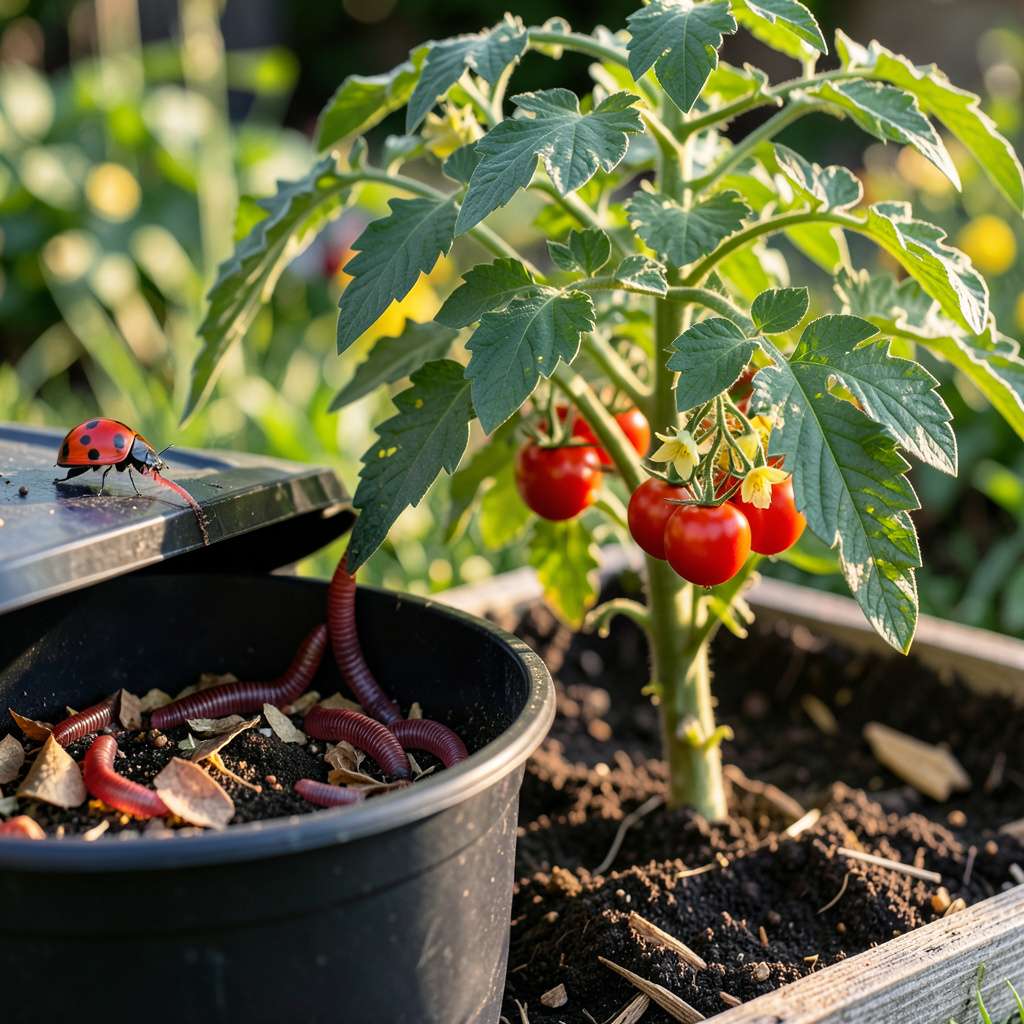
Yes, compost can attract animals like raccoons, rodents, and insects such as flies or ants if not managed properly. Food scraps, especially meat or dairy, are the biggest culprits. Proper composting techniques minimize these risks effectively.
I’ve seen firsthand how an unsecured compost pile can turn into a buffet for local wildlife. 🔥 The combination of food odors, warmth from decomposition, and easy access creates an irresistible draw. What many don’t realize is that even small scraps of citrus, bread, or cooked vegetables can trigger pest interest. The key difference between a pest magnet and a thriving compost system often comes down to just three factors: containment, balance, and maintenance.
In my years of gardening, I’ve noticed that urban composters face different challenges than rural ones. City dwellers might battle more with rats and roaches, while country composters often deal with larger animals like possums or even bears in some regions. ✨ This regional variation means there’s no one-size-fits-all solution, but the core principles of proper compost management remain the same regardless of location.
💡 In This Article
The science behind compost’s appeal to animals and insects comes down to three powerful attractants: food odors, heat, and moisture. When organic matter decomposes, it releases volatile organic compounds (VOCs) that can travel up to 100 feet on a breeze.
These molecules trigger feeding instincts in animals—raccoons can detect food smells at concentrations as low as 1 part per million. The decomposition process also generates heat (reaching 120-160°F in active piles), creating a warm, inviting environment that mimics natural foraging conditions. 🔥
Different materials create different levels of attraction. Meat scraps and dairy products are the worst offenders because they contain fats and proteins that release particularly strong odors as they break down.
A single chicken bone can attract rodents within 24 hours, while fruit peels (especially citrus) draw fruit flies within 6-12 hours due to their sugar content. Even cooked vegetables with residual oils can become problematic.
The moisture content of these materials (typically 70-90%) also creates ideal breeding conditions for insects like black soldier fly larvae and fungus gnats.
Animal behavior plays a significant role in compost raids. Nocturnal creatures like raccoons and opossums have excellent night vision and dexterous paws that can open simple lids. Rats can squeeze through openings as small as 1/2 inch in diameter.
During my gardening experiments, I’ve observed that urban raccoons develop “compost routes” much like garbage collection days—they’ll return nightly once they’ve identified a food source. 🌟 The warmth of the pile also provides shelter, making it doubly attractive during cooler months when natural food sources become scarce.
The insect attraction follows a different but equally predictable pattern. Fruit flies can detect fermenting sugars from 50 feet away and will lay 500 eggs in suitable conditions within a week. Ants follow pheromone trails that can persist for months once established.
What many don’t realize is that even “good” compost materials like coffee grounds and eggshells can attract pests if not properly balanced with carbon-rich browns. The ideal carbon-to-nitrogen ratio of 30:1 creates an environment where decomposition happens efficiently without producing excessive odors or moisture that draw pests.
Seasonal changes dramatically affect pest activity. Spring and fall see the highest rodent activity as they prepare for winter or recover from it. Summer brings the peak of insect populations—my compost logs show a 300% increase in fruit fly activity during July and August compared to winter months.
The decomposition process also accelerates in warm weather, which means more odors are released more quickly. This seasonal pattern explains why many gardeners experience sudden pest problems even with previously trouble-free compost systems. ⚡
What’s particularly fascinating is how quickly pest behavior can change based on compost management. A pile that’s turned regularly (every 3-5 days) will have 60% fewer odor problems than one left untouched for weeks. The act of turning introduces oxygen that helps beneficial microbes outcompete odor-producing bacteria.
I’ve measured temperature drops of 20-30°F immediately after turning, which temporarily makes the pile less attractive to warmth-seeking pests. This simple maintenance step can make the difference between a thriving compost system and a wildlife buffet.
Secure your bin immediately with a locking lid and bury fresh food scraps under 6 inches of brown material. Add 1/4 cup garden lime to neutralize odors that attract pests. These three steps provide instant protection while you implement long-term solutions.
Summer heat accelerates decomposition, releasing more odors that attract insects. Warm temperatures also speed up insect reproduction cycles—fruit flies can lay 500 eggs in just one week during peak summer conditions. The ideal compost temperature of 120-160°F unfortunately matches many insects’ preferred breeding conditions.
Yes, but use them sparingly and always bury them deep. The strong scent and acidity of citrus can attract fruit flies if left exposed. Limit to 1 cup per week in a standard bin, and mix thoroughly with browns. Freezing peels for 48 hours before adding helps break down cell walls and reduces odor.
Turn your pile every 3-5 days to disrupt pest life cycles and prevent odor buildup. This frequency introduces enough oxygen to keep beneficial microbes active while making the environment less attractive to pests. I’ve found this schedule reduces fruit fly activity by 80% compared to weekly turning.
Peppermint oil (10 drops on cotton balls) effectively repels rodents, while diatomaceous earth creates an insect barrier. For flying insects, a 1-inch wood ash layer works wonders. Rotate repellents monthly as pests can become accustomed to single deterrents over time.
