
Beautiful Plants For Your Interior
Beautiful Plants For Your Interior
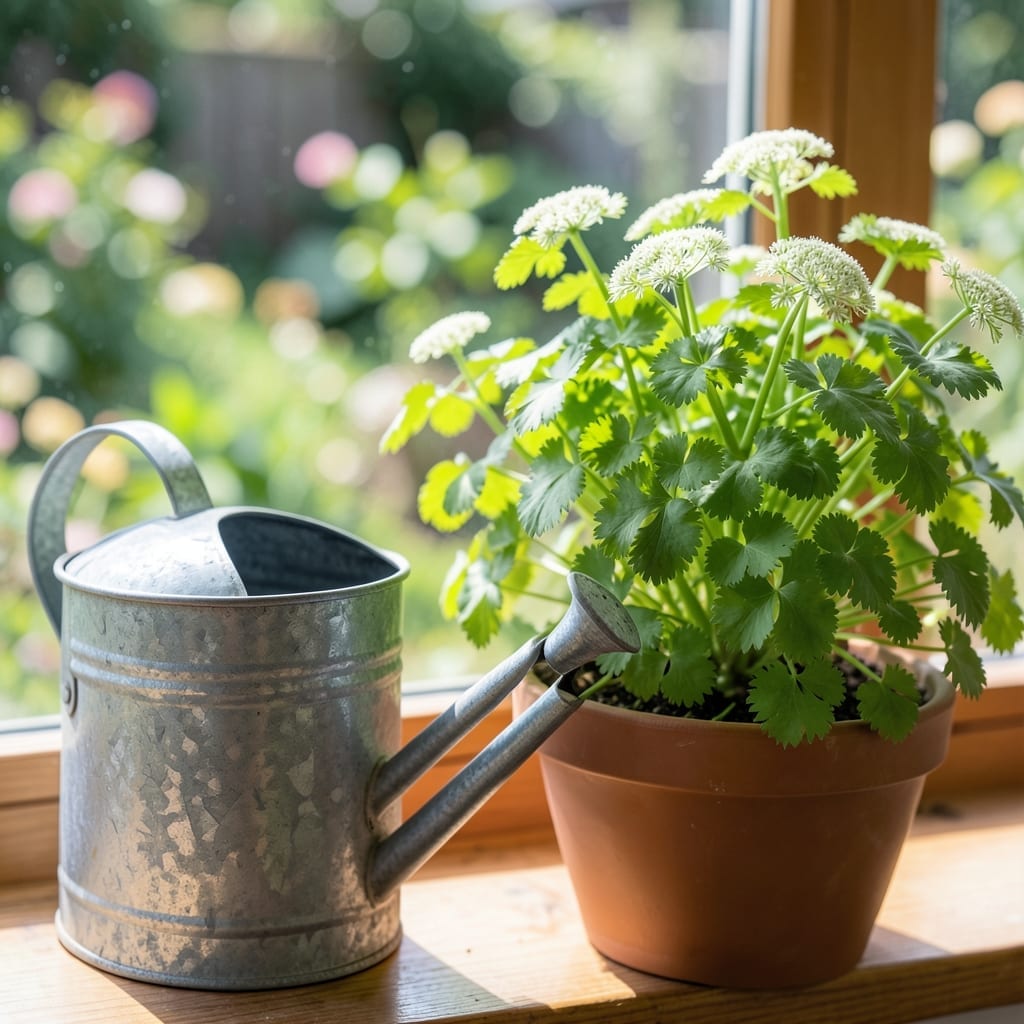
Nothing ruins a fresh salsa or garnish faster than bitter, bolted cilantro. I’ve seen too many gardeners struggle with this herb turning on them mid-season.
The problem usually isn’t the seeds or soil – it’s almost always about water. Understanding cilantro’s moisture needs can mean the difference between vibrant, flavorful leaves and a disappointing harvest.
I’ll walk you through exactly how much water this herb actually needs. Spoiler: it’s less about quantity and more about consistency.
Whether you’re growing in containers or garden beds, these simple tips will help you keep your 🌿 Cilantro happy and thriving all season long.


I often get asked does cilantro need a lot of water to grow well. The short answer is no—it prefers consistent moisture but hates soggy roots. Think of it like a Goldilocks herb: not too dry, not too wet.
For healthy cilantro, aim for 1 inch of water weekly, including rainfall. This keeps the soil evenly moist without waterlogging. In hot climates, you might need to water every 3-5 days, while cooler areas can stretch to 7-10 days. 🌿
I always check the top inch of soil before watering. If it feels dry to the touch, it’s time to water. If it’s still damp, wait another day. This simple test prevents overwatering, which can lead to root rot or fungal diseases.
For container-grown cilantro, watering needs are different. Pots dry out faster, so I water mine every 3-5 days. Make sure your container has drainage holes to avoid water pooling at the bottom.
If your cilantro leaves turn yellow, it’s often a sign of overwatering. On the other hand, wilting or crispy leaves usually mean the plant is thirsty. Adjust your schedule based on these cues.
In hot summer months, cilantro may need more frequent watering. I’ve found that mulching around the base helps retain moisture and keeps the soil temperature stable. A 2-inch layer of organic mulch works wonders.
For seedlings, keep the soil consistently moist but not waterlogged. Once the plants are established, you can reduce watering slightly. This balance encourages strong root development without stressing the plant.
If you’re growing cilantro in poor-draining soil, consider amending it with compost or sand to improve drainage. This helps prevent water from pooling around the roots, which can suffocate the plant.
Finally, remember that cilantro bolts quickly in heat. While watering won’t stop bolting entirely, consistent moisture can delay it. Pair this with partial shade in the afternoon for the best results. 🌱
I’ve found that cilantro’s water needs change dramatically based on your climate and the plant’s growth stage. In hot, dry areas, you might need to water every 3-5 days, while cooler climates often do fine with weekly watering.
Seedlings require consistent moisture to establish roots, while mature plants can handle slightly drier conditions. The key is watching the soil, not the calendar.
For container-grown cilantro, I check the soil daily. Pots dry out much faster than garden beds, especially in full sun. A good rule is to water when the top inch of soil feels dry to the touch.
During the seedling stage, I’m extra careful. These young plants need consistent moisture to develop strong roots. I use a spray bottle for gentle watering that doesn’t dislodge the delicate seedlings.
As plants mature, I adjust based on weather patterns. Before a heatwave, I’ll give them a deep watering to prepare. After heavy rains, I might skip watering for several days to prevent soggy soil.
The pre-bolt stage is critical. When I see flower buds forming, I increase water slightly. This extra moisture can delay bolting by a week or two, buying more time for leaf harvests. 🌿