
Beautiful Plants For Your Interior
Beautiful Plants For Your Interior
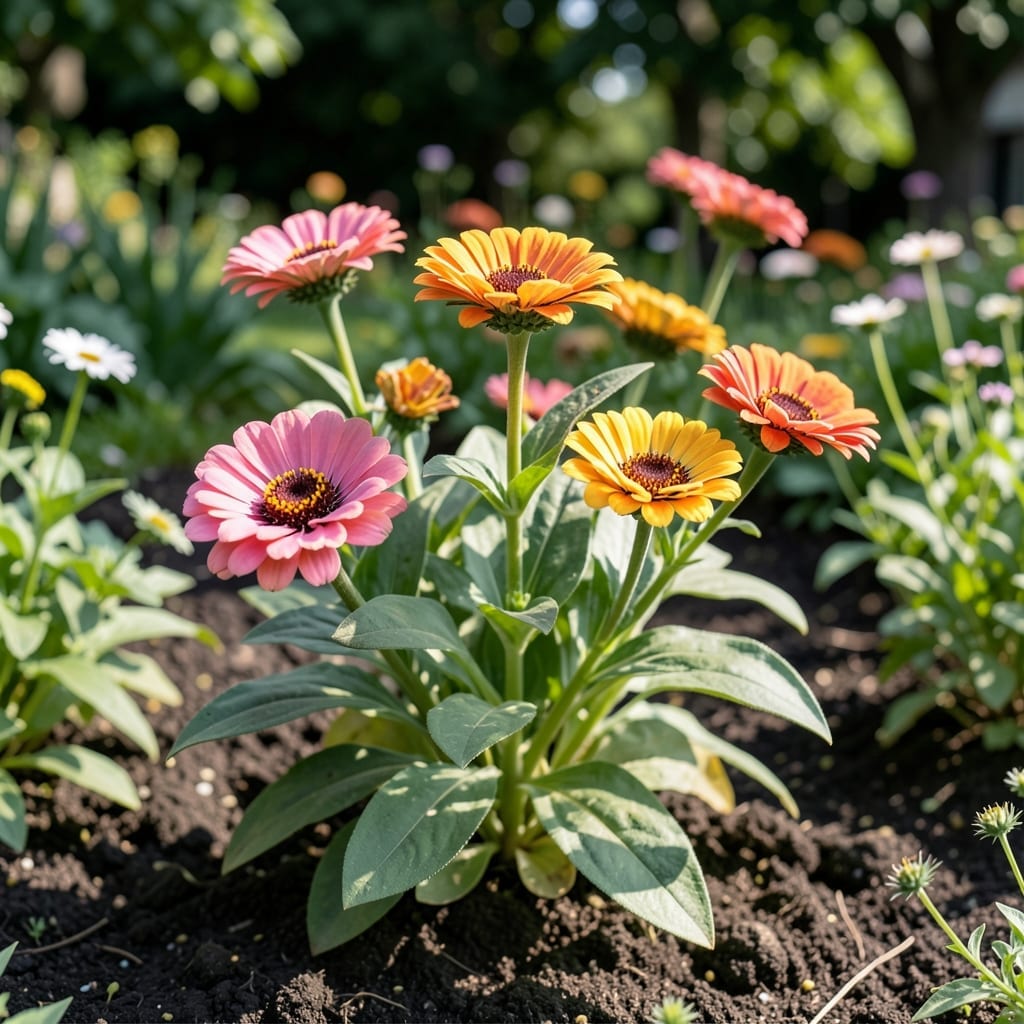
If you’ve ever admired a neighbor’s vibrant 🌼 Zinnia patch and wondered why yours isn’t quite as spectacular, the answer often lies in sunlight. These cheerful flowers have a reputation for being low-maintenance, but they do have one non-negotiable demand.
Getting their light requirements right can transform your garden from mediocre to magnificent. The difference between a struggling Zinnia and one that bursts with color is often just a matter of sun exposure.
Discover what these sun-loving plants truly need to thrive and how to give them the best possible start in your garden this season.

If you want your zinnias to produce the most vibrant, abundant blooms, the answer is a resounding yes. These sun-loving annuals thrive with at least 6-8 hours of direct sunlight daily. Anything less, and you’ll notice weaker stems and fewer flowers.
Full sun means unobstructed light for most of the day, ideally from morning through late afternoon. Zinnias use this energy to fuel rapid growth and continuous flowering throughout the season.
| Requirement | Specification |
|---|---|
| Ideal Sunlight | 6-8 hours daily |
| Light Type | Direct sun |
| Minimum Sun | 4-6 hours |
| Best Window | South-facing |
I’ve found that zinnias planted in full sun locations not only grow taller but produce significantly more blooms. The photosynthesis process is most efficient with abundant light, leading to stronger plants and brighter colors.
In my experience, morning sun is particularly valuable as it helps dry dew from leaves, reducing the risk of fungal diseases. The intense afternoon sun then powers their growth spurt during the warmest part of the day.
For gardeners in hotter climates, a bit of afternoon shade can actually benefit zinnias by preventing heat stress. However, this should be the exception rather than the rule for optimal performance.
If your garden gets less than 6 hours of sun, consider choosing more shade-tolerant varieties like ‘Crystal’ series zinnias. These can manage with slightly less light, though they may produce fewer flowers.
The science behind this is simple: zinnias are obligate phototropes, meaning they’ve evolved to maximize their light exposure. Their leaves and flowers actually turn toward the sun throughout the day to capture every possible ray.
I always recommend planting zinnias where they’ll get morning to mid-afternoon sun. This timing provides the most consistent light intensity and duration for these sun-worshipping plants.
Remember that container-grown zinnias may need even more sun than their in-ground counterparts, as pots can create additional shade. Position them carefully to ensure they receive adequate light from all angles.
With proper sunlight, your zinnias will reward you with continuous blooms from early summer until the first frost, creating a stunning display that’s sure to be the envy of your neighborhood ☀️
While zinnias prefer full sun, they can tolerate partial shade with some adjustments. In my experience, they’ll still grow but with fewer blooms and shorter stems compared to sun-drenched plants.
In partial shade, expect your zinnias to reach about 60-70% of their potential height. The flowers may also be smaller and less vibrant, though still beautiful in their own right.
For best results in partial shade, I recommend selecting shade-tolerant varieties like ‘Crystal’ or ‘Zahara’. These have been bred to perform better with 4-6 hours of sun rather than the full 6-8.
Morning sun is particularly important in partial shade situations. The gentle morning rays help dry foliage and prevent fungal diseases while providing essential energy for growth.
In my garden, I’ve had success with zinnias under dappled shade from tall trees. The key is ensuring they still receive direct sunlight for at least half the day, preferably in the morning.
Remember that soil quality becomes even more crucial in partial shade. I always amend the planting area with compost to give zinnias the best chance to thrive despite reduced light conditions 🌱