
Beautiful Plants For Your Interior
Beautiful Plants For Your Interior
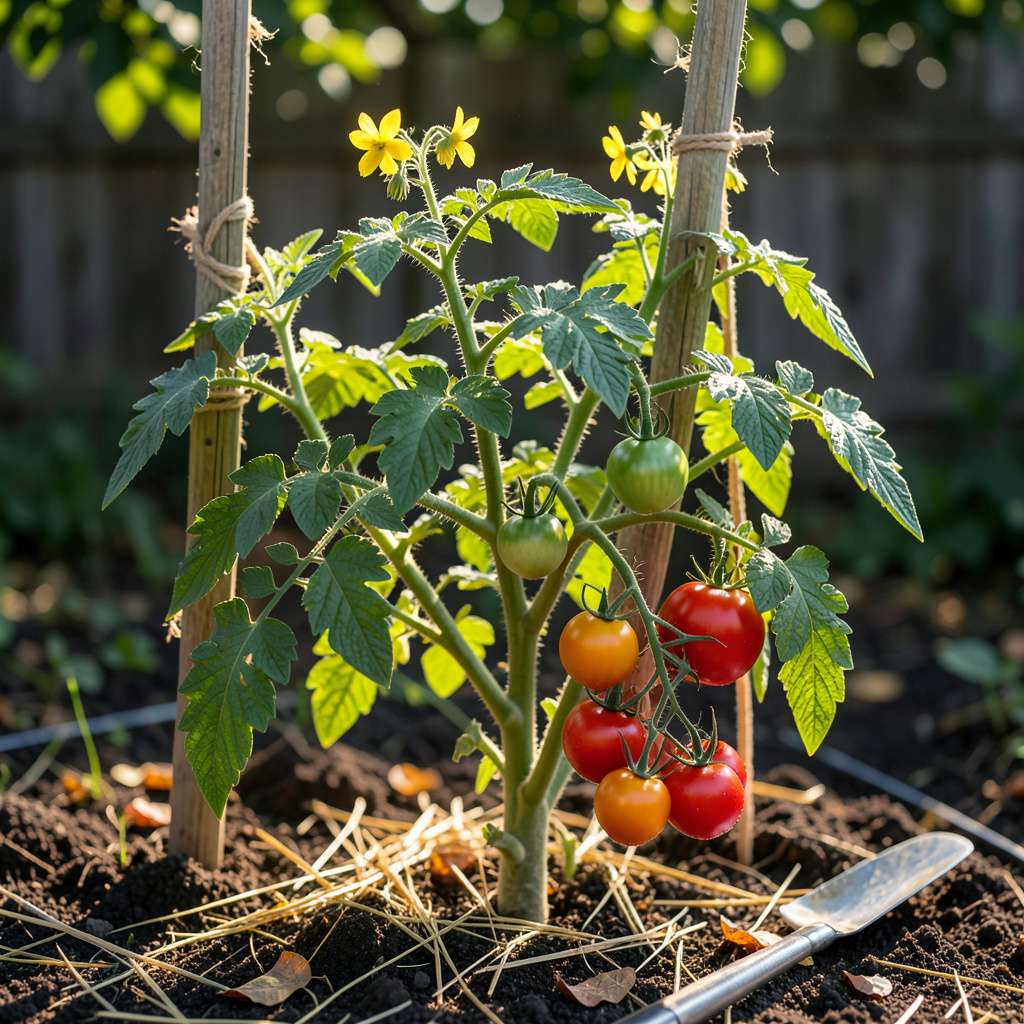
Yes, squirrels will eat tomato plants—both the fruit and leaves—especially when other food sources are scarce. They can damage ripening tomatoes and even dig up young seedlings, making them a common garden pest.
I’ve watched these clever foragers turn a thriving tomato patch into their personal buffet overnight. 🌱 Their sharp teeth can puncture ripe fruit while their digging habits uproot delicate seedlings—particularly frustrating when you’ve nurtured plants from seed. What makes tomatoes so irresistible is their high water content and natural sugars, which become especially appealing during dry summer months when other food sources dwindle. The damage often appears as half-eaten fruit with jagged edges or disturbed soil around plant bases.
💡 In This Article
Squirrels aren’t just random tomato plant vandals—they’re strategic foragers with nutritional needs. 🌱 Tomatoes contain about 95% water and 2.6-4.2% natural sugars (fructose and glucose), making them a hydrating, energy-rich snack. During late summer when tomatoes ripen, squirrels face seasonal food shortages as nuts and seeds become less available.
Their sharp incisors can puncture tomato skins effortlessly, while their dexterous paws allow them to pluck fruit without damaging the vine—though they’ll happily gnaw through stems when desperate.
The foraging math is simple: a single squirrel needs about 1,500 calories daily, and a medium tomato provides roughly 22 calories. While that seems small, a squirrel can consume 3-5 tomatoes in one sitting when other options are scarce.
Their behavior follows a clear pattern: they’ll sample multiple plants, taking 1-2 bites per tomato before moving on—a tactic that maximizes their chances of finding the ripest, sweetest specimens while minimizing time spent in exposed areas.
Certain tomato varieties face higher risk based on their growth habits. Indeterminate varieties like ‘Cherokee Purple’ or ‘Brandywine’ are particularly vulnerable because their vines grow continuously, producing fruit at varying stages of ripeness. This gives squirrels a prolonged buffet season.
Determinate varieties (like ‘Roma’) ripen all at once, creating a shorter window of opportunity—but when that window opens, the damage can be devastating within 24-48 hours as squirrels focus their efforts.
What many gardeners don’t realize is that squirrels also target tomato leaves and stems, not just fruit. The leaves contain solanine (a natural toxin), but in small quantities that don’t deter squirrels—especially younger ones still learning what’s safe to eat.
Their digging behavior around plant bases serves two purposes: searching for grubs and insects (a protein source) while simultaneously disturbing roots. This double threat explains why some gardeners find both aboveground and belowground damage from the same culprits. 💥
Environmental factors amplify the problem. Urban and suburban areas with reduced natural habitats force squirrels to rely more heavily on gardens. A study by the University of Nebraska found that squirrel populations in residential areas can be 3-5 times denser than in wild habitats, with each squirrel requiring about 0.5-1 acre of foraging territory.
When your tomato patch falls within that territory during peak ripening season, it becomes an irresistible target—especially if you’re growing heirloom varieties with their famously rich, sweet flavors.
They prefer ripe ones but will nibble green tomatoes when desperate. The higher acidity makes them less appealing, but hungry squirrels may still take bites—especially from heirloom varieties with thinner skins. You’ll often see partial damage rather than whole fruit consumption.
Early morning (6-9 AM) and late afternoon (4-7 PM) are peak activity times. These periods coincide with their natural foraging rhythms when they’re most active searching for food. Setting up deterrents to activate during these windows provides maximum protection.
Both! They’ll dig around plant bases searching for grubs while also munching on fruit. Young seedlings are especially vulnerable to uprooting. Their digging can disturb roots even when they’re primarily after insects, creating a double threat to your plants.
Absolutely—strong-smelling herbs like basil, mint, or rosemary confuse their foraging instincts. Interplant these between tomato plants or create a perimeter barrier. Thorny plants like roses also work well as physical deterrents while adding beauty to your garden.
Look for large, jagged bite marks and disturbed soil around plants. Birds leave smaller, cleaner holes while insects create tiny punctures. Squirrels often leave half-eaten fruit on the ground and may gnaw through stems completely—unlike most other garden pests.
