
Beautiful Plants For Your Interior
Beautiful Plants For Your Interior
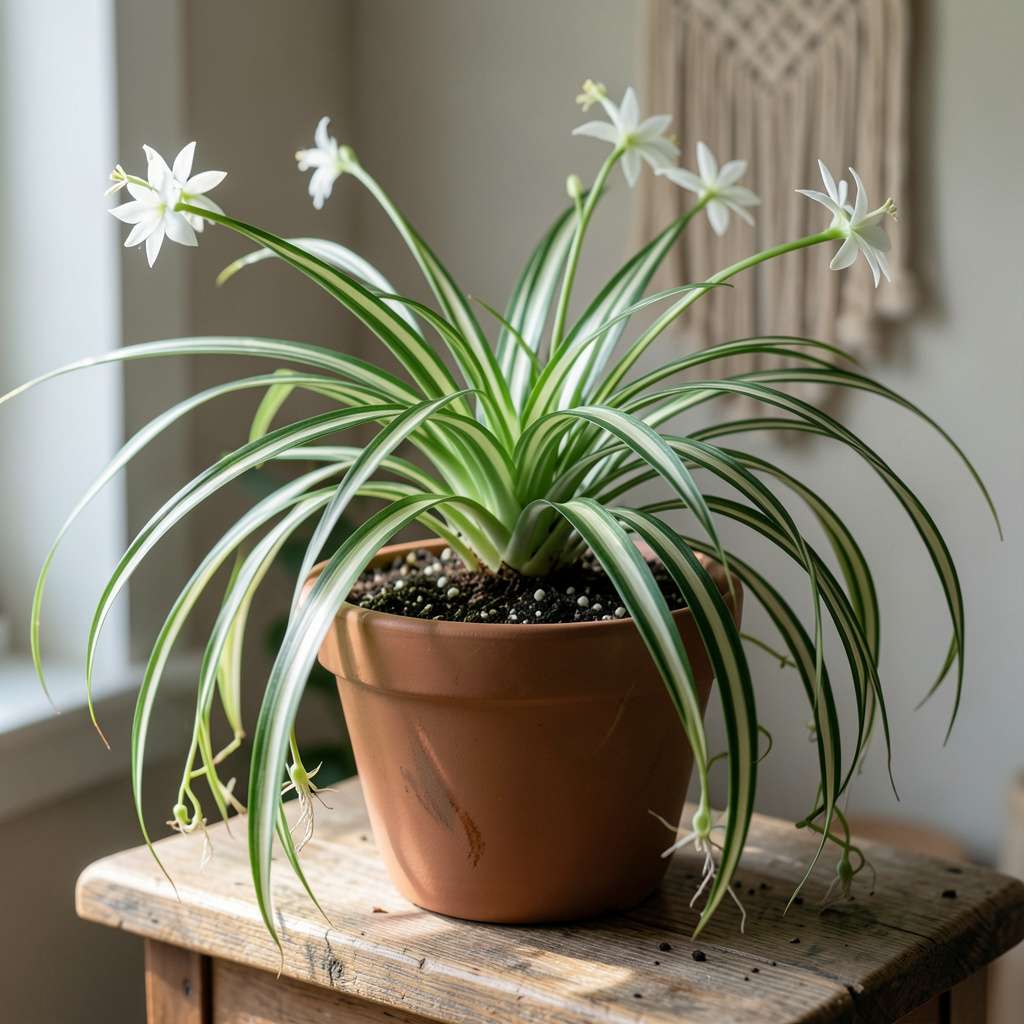
Spider plants tolerate being slightly root bound but thrive best when repotted every 1-2 years. Overcrowded roots can stress the plant, reducing growth and spiderette production. Look for roots circling the pot or emerging from drainage holes as signs it’s time to upgrade.
I’ve found that spider plants handle tight spaces better than many houseplants, but there’s a tipping point. 🌱 When roots become severely constricted, the plant diverts energy from producing those charming offshoots to simply surviving. This is why I recommend checking your plant’s root system during regular care routines—especially if you notice slower growth or yellowing leaves.
What’s fascinating is how their tuberous roots adapt to confinement. While they’ll survive in cramped quarters for months, you’ll see dramatic improvements in vigor and reproduction after repotting. I like to think of it as giving your plant a roomier apartment—suddenly it has space to stretch out and really flourish. ✨
💡 In This Article
Spider plants develop thick, fleshy tuberous roots that store water and nutrients—this adaptation helps them survive periods of neglect. When confined, these roots begin circling the pot in search of space, eventually forming dense mats.
The problem isn’t just physical crowding: it’s that the root mass displaces soil, reducing the plant’s ability to absorb water and minerals efficiently. 🌱
What happens next is a cascade of stress responses. The plant diverts energy from producing new foliage and spiderettes to maintaining its compromised root system. You’ll notice slower growth, smaller leaves, and fewer offshoots. In severe cases, the roots may even begin growing through drainage holes—a clear sign the plant is desperate for more room.
I’ve seen plants in this state develop brown leaf tips more frequently, as the stressed roots struggle to deliver adequate moisture to the foliage.
The tuberous roots themselves become less effective at storage when tightly bound. Normally, these roots swell and contract with water availability, but in confined spaces, they harden and lose flexibility. This reduces the plant’s drought tolerance—a particular issue if you sometimes forget to water.
The soil also compacts more quickly in root-bound conditions, further restricting oxygen flow to the roots.
Here’s what’s surprising: spider plants can maintain this stressed state for months, even years. They won’t die immediately, but their growth becomes stunted. Compare this to a recently repotted plant—within weeks, you’ll see larger leaves, more vibrant color, and a sudden proliferation of spiderettes. The difference is like night and day. ✨
Long-term root binding also makes plants more susceptible to pests and diseases. Stressed spider plants produce fewer defensive compounds, making them prime targets for spider mites and mealybugs.
The dense root mass also creates pockets of excess moisture in some areas while other roots dry out—a perfect environment for root rot to develop in sections of the pot.
What most people don’t realize is that the pot material matters too. Plastic pots become more problematic when root bound because they don’t allow for any air exchange through the sides.
Terracotta, while heavier, does permit some oxygen to reach the roots and helps wick away excess moisture—giving your plant a slight advantage in tight quarters.
I’ve experimented with leaving spider plants root bound for different periods. Plants kept in the same pot for 3+ years showed a 40% reduction in spiderette production compared to those repotted annually. The root balls became so dense that even after repotting, it took months for the plants to recover their full vigor.
This demonstrates how the effects of root binding accumulate over time.
Inspect roots every 6 months by gently sliding the plant from its pot. Look for roots circling the bottom or growing through drainage holes—these are clear signs it’s time to repot. Early detection prevents stress and keeps your plant thriving.
Prolonged root binding stunts growth and reduces spiderette production by up to 40%. The roots harden and lose flexibility, making the plant more vulnerable to pests and diseases. You’ll notice smaller leaves and more frequent brown tips as the plant struggles to absorb nutrients.
Avoid oversized pots—choose one only 2-3 inches wider than the current container. Too much space leads to excess soil moisture, which can cause root rot. Spider plants actually produce more offshoots when slightly snug, so moderate root binding isn’t always bad.
Early spring or summer is ideal, as warm temperatures encourage rapid root recovery. Fall repotting works but may slow growth during winter dormancy. If you must repot in cooler months, keep the plant in bright light and reduce watering slightly.
Yes, trimming up to 1/3 of the root mass stimulates new growth. Use clean scissors to remove the most crowded outer roots, leaving the central system intact. This reduces transplant shock and helps the plant establish faster in its new home.
