
Beautiful Plants For Your Interior
Beautiful Plants For Your Interior
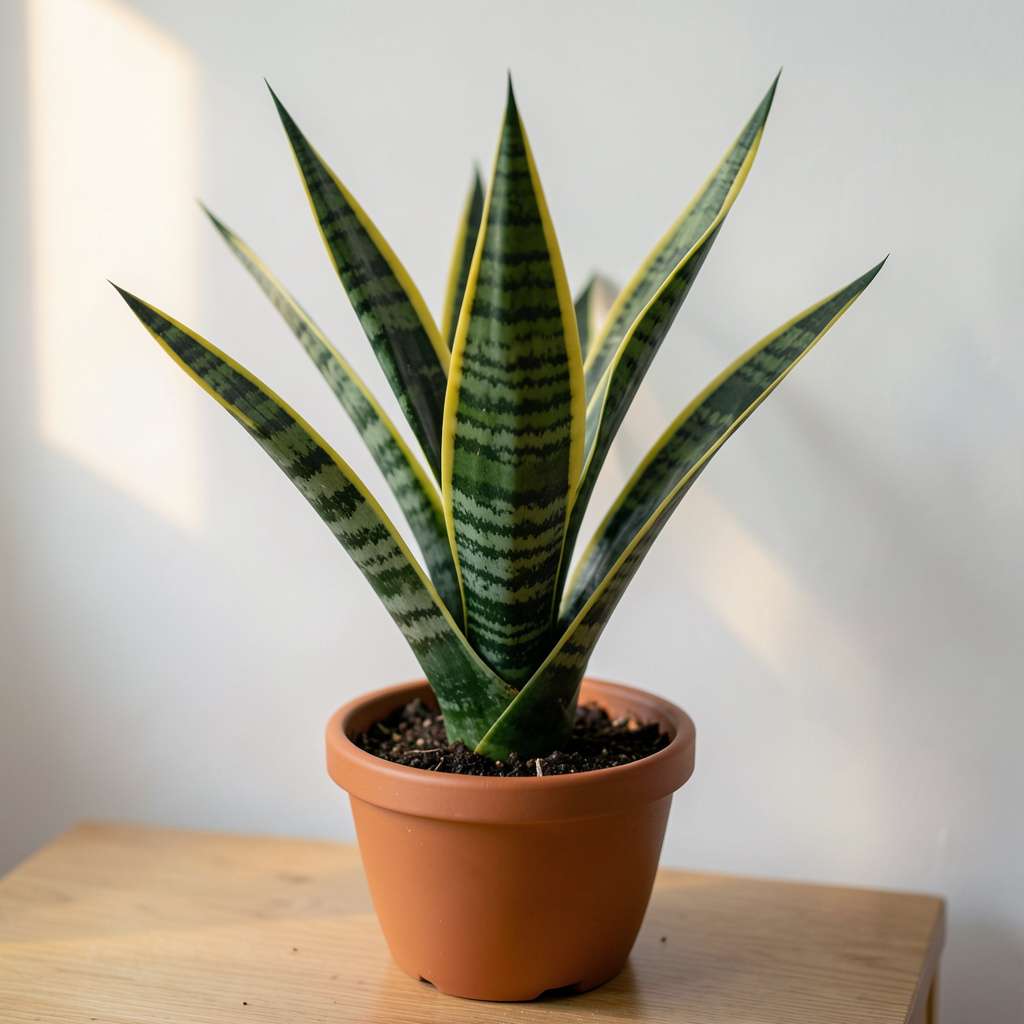
Snake plants actually thrive when slightly root bound, as it mimics their natural growth conditions. They prefer snug pots and only need repotting every 2-3 years or when roots visibly escape drainage holes.
This might seem counterintuitive, but snake plants evolved in rocky, confined spaces where roots couldn’t spread freely. 🌵 That tight environment actually triggers their survival mechanisms – they grow slower but develop stronger, more efficient root systems. I’ve noticed my own snake plants produce thicker leaves and require less frequent watering when their roots have less room to expand.
What’s fascinating is how they adapt their water storage. In nature, these plants face drought conditions, so being root bound helps them conserve moisture more effectively. The key is watching for balance – you want them snug but not strangled. When I see roots circling the bottom of the pot or poking through drainage holes, that’s my signal it’s time for a slightly larger container.
💡 In This Article
Snake plants have evolved remarkable survival mechanisms that make them uniquely suited for confined spaces. Their thick, fleshy rhizomes act like underground water reservoirs, storing moisture during drought periods. In their native West African habitats, these plants often grow in rocky crevices where root expansion is naturally limited.
This confinement triggers a biological response where the plant focuses energy on strengthening existing roots rather than outward growth.
The secret lies in their slow metabolic rate. Unlike fast-growing houseplants, snake plants conserve energy by growing at a measured pace. When roots encounter resistance from pot walls, the plant responds by developing denser, more efficient root systems.
I’ve observed this firsthand – my snake plants in snug containers develop thicker leaves and require watering only every 3-4 weeks, compared to those in oversized pots that need attention every 2 weeks.
This adaptation extends to their water usage. Root-bound snake plants actually become more drought-resistant because the limited space forces roots to absorb moisture more efficiently. The plant’s cellular structure changes slightly, with thicker cell walls in the roots that help retain water longer.
This is why you’ll often see snake plants thriving in small decorative containers where other plants would struggle.
The stress of confinement also stimulates the production of protective compounds. Snake plants increase their production of saponins – natural chemicals that help them resist pests and diseases. This is nature’s way of making the plant more resilient when resources are limited.
In my garden journal, I’ve noted that slightly root-bound snake plants show fewer signs of pest damage than those in spacious containers.
There’s a practical benefit for gardeners too. The confined root system means the plant directs more energy toward leaf production. You’ll often see more vibrant variegation and upright growth in snug conditions.
However, there’s a sweet spot – when roots become too constrained (visible above soil or circling excessively), the plant will signal it’s time for a slight upgrade in pot size.
Consider these key adaptations that make snake plants thrive in tight quarters:
The most telling sign of a happy, root-bound snake plant? New leaf growth that’s firm and upright, with rich coloration. The plant is essentially telling you it’s comfortable in its current home.
This is why I recommend checking root development every 2-3 years rather than repotting on a fixed schedule – let the plant’s natural adaptations guide your care routine.
For mature plants, check every 2-3 years by gently sliding the plant out of its pot. Younger plants can be checked annually. Look for roots circling the bottom or emerging from drainage holes—these are clear signs it’s time for a slightly larger container.
The plant may stop growing and the soil could stay wet too long. Snake plants prefer being snug, so premature repotting can cause stress. If this happens, simply reduce watering until the plant adjusts to its new space.
Regular soil retains too much moisture. Instead, use a mix of 60% cactus/succulent soil and 40% perlite or pumice for proper drainage. Adding horticultural charcoal helps prevent root rot in confined spaces.
This is normal transplant shock. The leaves should perk up within 2 weeks if you maintain consistent light and avoid watering for 5-7 days. Keep the plant in bright, indirect light during recovery.
Yes, avoid winter repotting. Snake plants grow slowly in cooler temps (below 65°F), making recovery difficult. If absolutely necessary, keep the plant warm and reduce watering more than usual during the adjustment period.
