
Beautiful Plants For Your Interior
Beautiful Plants For Your Interior
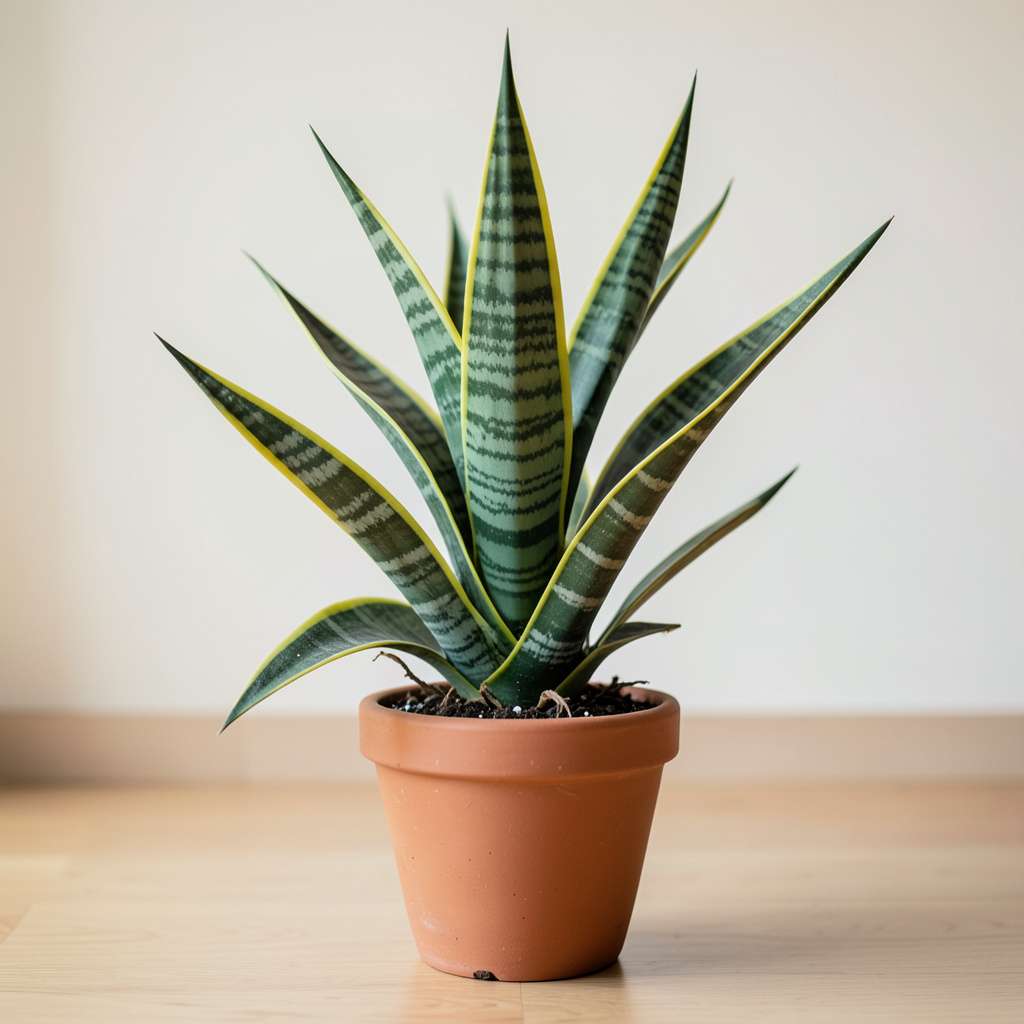
Snake plants thrive in low to moderate humidity (30-50%) and are highly drought-tolerant. Excessive moisture can cause root rot, while dry air mimics their native arid environments perfectly.
I’ve found these hardy plants are practically designed for forgetful plant owners. 🌵 Their thick, waxy leaves store water like desert succulents, letting them handle dry indoor air with ease. What most people don’t realize is that snake plants actually prefer the drier conditions found in most homes—it’s why they’re perfect for offices and bedrooms where humidity often dips below 40%. The real danger comes from overcompensating with misting or humidifiers, which can create the perfect storm for fungal issues.
💡 In This Article
Snake plants evolved in West Africa’s arid regions where humidity rarely exceeds 40%. Their thick, fleshy leaves act like natural water reservoirs, storing moisture during infrequent rains. This adaptation means they actually thrive when indoor humidity mimics these dry conditions.
The plant’s stomata (tiny pores on leaves) open minimally in high humidity, reducing water loss but also limiting oxygen exchange—this is why they grow faster in drier air.
The science behind their humidity tolerance lies in their CAM photosynthesis process. Unlike most plants that open stomata during daylight, snake plants open theirs at night when humidity is naturally lower. This clever adaptation prevents water loss in hot, dry conditions.
When exposed to prolonged high humidity (above 60%), their roots can’t properly respire, leading to anaerobic conditions that invite fungal pathogens. 🌵
Watch for these telltale signs of excessive moisture: yellowing lower leaves, mushy stems at the base, or a musty soil smell. These symptoms indicate the roots are struggling to breathe in waterlogged conditions.
In contrast, slightly curled leaf edges or brown tips (often mistaken for underwatering) can actually signal the plant is conserving moisture in overly humid environments.
What makes snake plants so resilient is their ability to adjust their internal water pressure. In dry conditions, they maintain turgor pressure by releasing stored water from their leaves. This is why they can survive months without watering—their leaves act like living water bottles.
The ideal humidity range (30-50%) allows this system to function optimally without stressing the plant.
Compare this to tropical plants like peace lilies that wilt dramatically when humidity drops below 50%. Snake plants maintain their upright, sword-like leaves even in 20% humidity—common in winter-heated homes. Their waxy leaf coating (cuticle) provides an additional moisture barrier, reducing water loss through evaporation by up to 70% compared to thin-leaved plants. ✨
This moisture conservation comes at a cost in high humidity. The plant’s natural defenses against rot (like phenolic compounds in their sap) become overwhelmed when constantly damp. In their native habitat, rain comes in brief, intense bursts followed by rapid drying—something to mimic when watering your indoor snake plant.
The key is replicating these dry spells between waterings.
Excessive humidity (above 60%) causes root rot and fungal issues. You’ll notice yellowing lower leaves, mushy stems, or a musty soil smell. These plants evolved in arid conditions, so their roots suffocate in constantly damp environments.
Only if it’s well-ventilated. Bathrooms often exceed 60% humidity after showers, creating perfect conditions for rot. For short-term placement, run the exhaust fan during/after showers and move the plant out once humidity drops below 50%.
Monitor weekly with a $10 hygrometer placed near your plant. Check more frequently during seasonal transitions (winter heating/summer AC). Snake plants tolerate fluctuations well, but consistent readings above 60% require action.
Living rooms, offices, or bedrooms maintain ideal 30-50% humidity. South-facing windowsills work well—the gentle warmth helps balance moisture. Avoid kitchens and laundry rooms where humidity spikes occur from appliances.
Use one without water! Fill a tray with dry pebbles to elevate your plant and wick away accidental spills. This creates a dry microclimate, especially helpful in tropical areas where humidity hits 70% regularly.
