
Beautiful Plants For Your Interior
Beautiful Plants For Your Interior
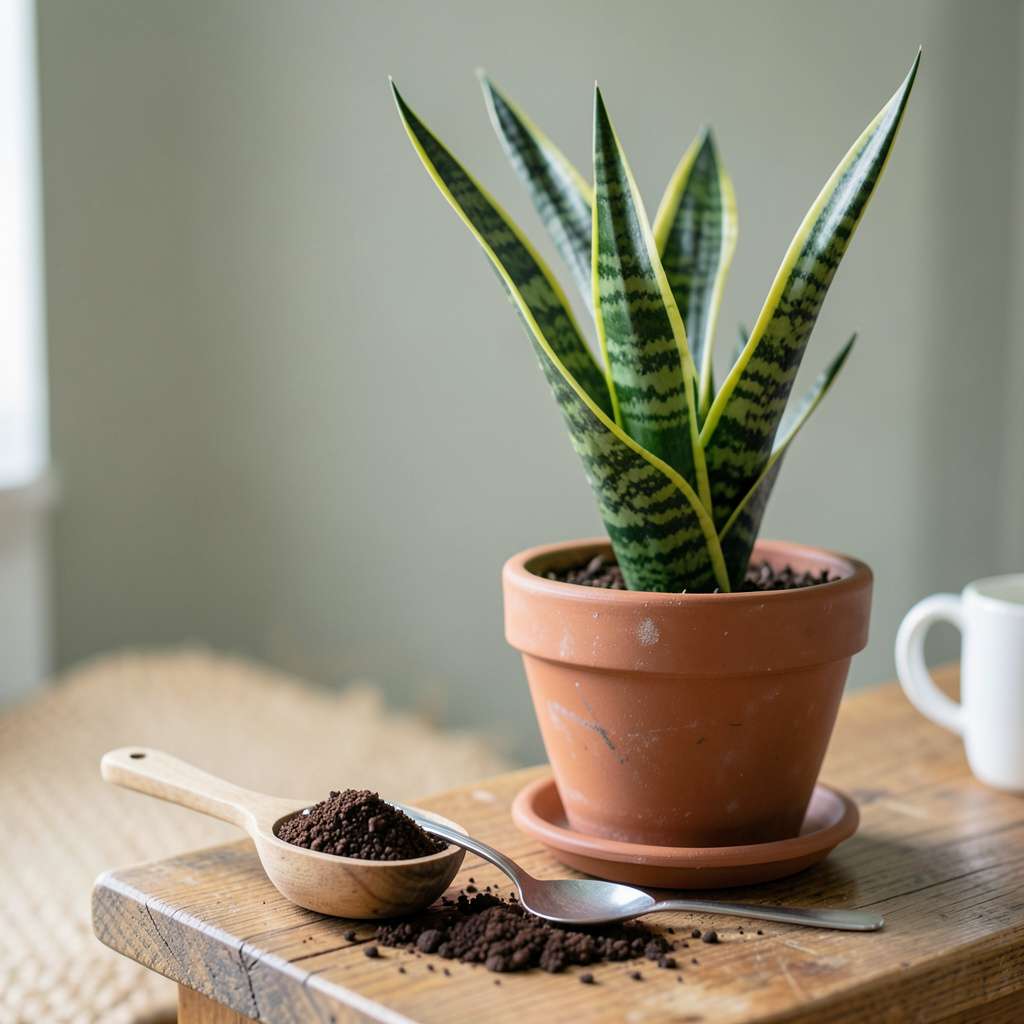
Snake plants can benefit from coffee grounds in moderation due to their nitrogen content, but excessive use may cause over-acidification or fungal growth. Use sparingly and mix with soil for best results.
I’ve found that snake plants respond well to the slow-release nutrients in coffee grounds, particularly when they’re composted first. 🌱 This method helps balance the acidity while still providing that nitrogen boost these hardy plants appreciate. What’s interesting is how the grounds also improve soil structure over time, creating better aeration around the roots. Just remember—these plants thrive on neglect, so they’ll do better with occasional organic matter than frequent heavy feedings.
💡 In This Article
When coffee grounds break down in soil, they undergo microbial decomposition that releases nitrogen in a form plants can absorb. This process happens gradually over 4-6 weeks, which aligns well with snake plants’ preference for slow, steady nutrition rather than sudden nutrient spikes.
The grounds also contain trace minerals like magnesium and potassium that support overall plant health. 🌱
The pH factor is where things get interesting. Fresh coffee grounds are mildly acidic (pH 6.2-6.8), but as they decompose, they actually become more neutral. Snake plants naturally prefer slightly acidic to neutral soil (pH 5.5-7.5), so properly aged grounds won’t disrupt their ideal growing conditions.
The key difference comes when using fresh, uncomposted grounds – their initial acidity can temporarily lower soil pH by about 0.5-1.0 points if overapplied.
What most people don’t realize is how coffee grounds transform soil biology. They act as a food source for beneficial microbes, particularly nitrogen-fixing bacteria that form symbiotic relationships with plant roots. I’ve noticed that snake plants in coffee-amended soil develop more robust root systems within 2-3 months of application.
The grounds also improve soil structure by increasing organic matter content by up to 15-20% over time.
The moisture retention benefits are particularly valuable for snake plants. Coffee grounds can increase soil’s water-holding capacity by about 10-15%, which helps these drought-tolerant plants maintain consistent hydration without becoming waterlogged. This is crucial because snake plants store water in their thick leaves and prefer soil that dries out between waterings.
The grounds’ granular texture also creates micro-air pockets that improve oxygen circulation to the roots.
However, there’s an important caveat about fungal activity. Fresh coffee grounds contain compounds that can stimulate fungal growth, including both beneficial mycorrhizae and potentially harmful molds. In my experience, using more than 1/4 cup of grounds per 6-inch pot can lead to visible white fungal growth on the soil surface within 7-10 days.
This is why composting the grounds first (for at least 3-4 weeks) makes such a difference in safety and effectiveness.
Compared to their natural habitat in arid West African regions, snake plants evolved in soils with minimal organic matter. This means they’re adapted to thrive in lean conditions, which explains why they respond so well to the gentle nutrient boost from coffee grounds rather than heavy fertilization.
The slow-release nature of coffee-derived nutrients mimics the occasional nutrient pulses they’d receive from decomposing plant material in their native environment.
Use coffee grounds sparingly—just 1 tablespoon per 6-inch pot every 2-3 months during spring and summer. These plants thrive on neglect, so less is definitely more. Overdoing it can lead to fungal growth or nutrient imbalance.
Always use dried, used grounds (never fresh). Spread them on a baking sheet for 24-48 hours to dry completely. For even better results, compost them first for 3-4 weeks to neutralize acidity and prevent mold. This makes them safer and more effective.
Coffee grounds provide nitrogen but lack other essential nutrients. Think of them as a supplement, not a complete replacement. Snake plants rarely need fertilizer—once a year with balanced fertilizer is plenty. The grounds work best as an occasional soil amendment.
Watch for yellowing leaf tips, white fungal growth on soil, or a sour smell. If you see these, stop all applications immediately. Flush the soil with water for 2-3 minutes to help leach out excess acids. In severe cases, repotting may be needed.
Worm castings are an excellent gentler alternative—use 1/4 cup every 3 months. Fish emulsion (diluted to half strength) works too, but only once yearly. These options provide nutrients without the acidity risks of coffee grounds.
