
Beautiful Plants For Your Interior
Beautiful Plants For Your Interior
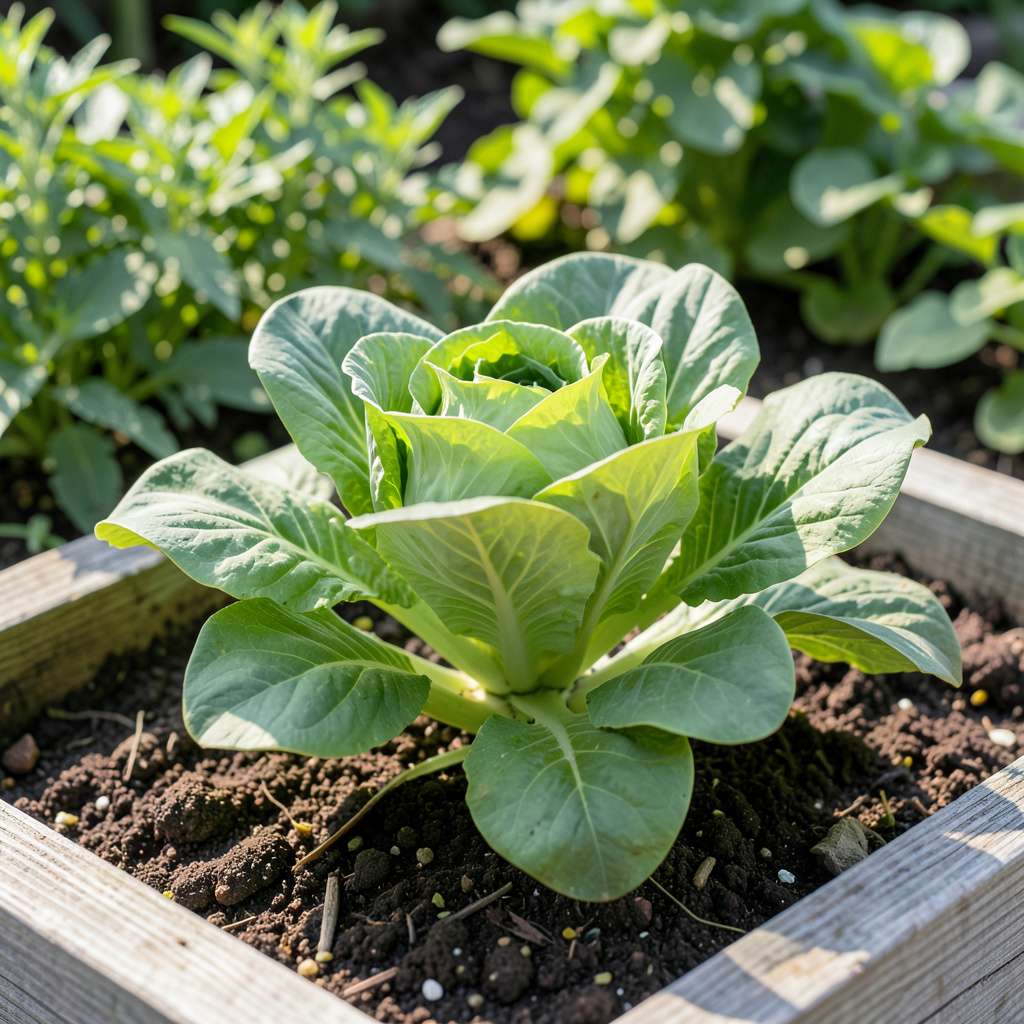
Rolly pollies (pill bugs) primarily feed on decaying organic matter like leaves and wood, not healthy plants. They may nibble on soft, rotting plant material but rarely damage live vegetation, making them mostly harmless to gardens.
I’ve spent years observing these little garden helpers, and what fascinates me most is their role as nature’s recyclers. 🌱 They’re like tiny composting machines, breaking down dead leaves and wood chips into nutrient-rich soil. In fact, their presence often signals a healthy ecosystem—though you might spot them munching on overripe strawberries or mushy squash that’s already past its prime.
What sets them apart from true pests is their preference for already-decomposing material. Unlike slugs or aphids that target fresh growth, rolly pollies actually help prevent fungal issues by cleaning up rotting debris. I consider them garden allies rather than enemies—just keep an eye on them around vulnerable seedlings in overly damp conditions. ✨
💡 In This Article
Rolly pollies are nature’s cleanup crew with a very specific menu. These terrestrial crustaceans (yes, they’re more closely related to shrimp than insects!) thrive on decomposing plant material because their digestive systems are perfectly adapted for breaking down cellulose.
Their gut contains symbiotic microbes that help digest tough plant fibers, which is why they gravitate toward fallen leaves, rotting wood, and compost piles rather than fresh vegetation. 🌿
The science behind their diet reveals fascinating adaptations. Their mouthparts are designed for scraping and chewing soft, decaying matter—not piercing or slicing through living plant tissues. Studies show they consume material with moisture content above 70%, which explains why they’re often found under damp mulch or in compost bins.
In fact, their feeding activity accelerates decomposition by increasing the surface area available to bacteria and fungi.
What truly sets them apart from plant pests is their nutritional preference. While a hungry rolly polly might sample a soft, overripe tomato or mushy cucumber, they lack the enzymes to properly digest fresh plant cell walls. Their mandibles simply can’t process the tough cellulose in healthy leaves or stems.
This is why you’ll rarely see them damaging thriving plants—they’re physically incapable of extracting nutrients from living tissue. 🔬
Field observations reveal their feeding patterns follow a clear hierarchy: 1) fungal hyphae and spores, 2) decaying plant matter, 3) animal waste, and only as a last resort 4) soft, rotting plant parts. Their presence actually benefits gardens by reducing potential fungal pathogens in the soil.
When you spot them clustered around a wilting plant, they’re typically cleaning up dead material rather than causing the decline.
Comparing them to true garden pests highlights their harmless nature. Unlike slugs that rasp through living leaves or aphids that pierce plant cells, rolly pollies function as detritivores. Their feeding activity improves soil structure by creating small channels that enhance water infiltration and root growth.
In healthy gardens, they’re indicators of good organic matter turnover rather than plant predators. ✨
The only exception occurs in overly wet conditions where plant tissues begin decomposing while still attached. In these cases, rolly pollies might nibble on soft, waterlogged stems or leaves—but this is always secondary to their primary role as decomposers.
Their feeding habits actually help prevent the spread of plant diseases by removing potential pathogen hosts from the garden environment.
They’re actually beneficial in most cases! Rolly pollies help break down organic matter into nutrient-rich compost. They only become a concern if you notice them clustered around overly wet seedlings or decomposing plant material. Even then, they’re cleaning up rather than causing damage.
These crustaceans thrive in moist environments because their gills need humidity to function. After rain, they become more active as they search for decaying plant matter that’s now softer and easier to consume. Their increased visibility is temporary and completely normal.
Only in extremely wet conditions where plant stems begin to rot. Healthy seedlings are safe, but waterlogged ones may attract rolly pollies cleaning up the decay. Improve drainage with 1-2 inches of mulch or adjust your watering schedule to prevent this rare issue.
Create an alternative habitat using a damp piece of wood or terracotta saucer filled with leaves. Place it near their gathering spot, and within 24 hours, most will migrate. You can then move their new “home” to your compost area.
Quite the opposite! Rolly pollies help reduce plant diseases by consuming decaying material that might harbor pathogens. Their feeding activity actually improves soil health by accelerating decomposition and increasing beneficial microbial activity in your garden.
