
Beautiful Plants For Your Interior
Beautiful Plants For Your Interior
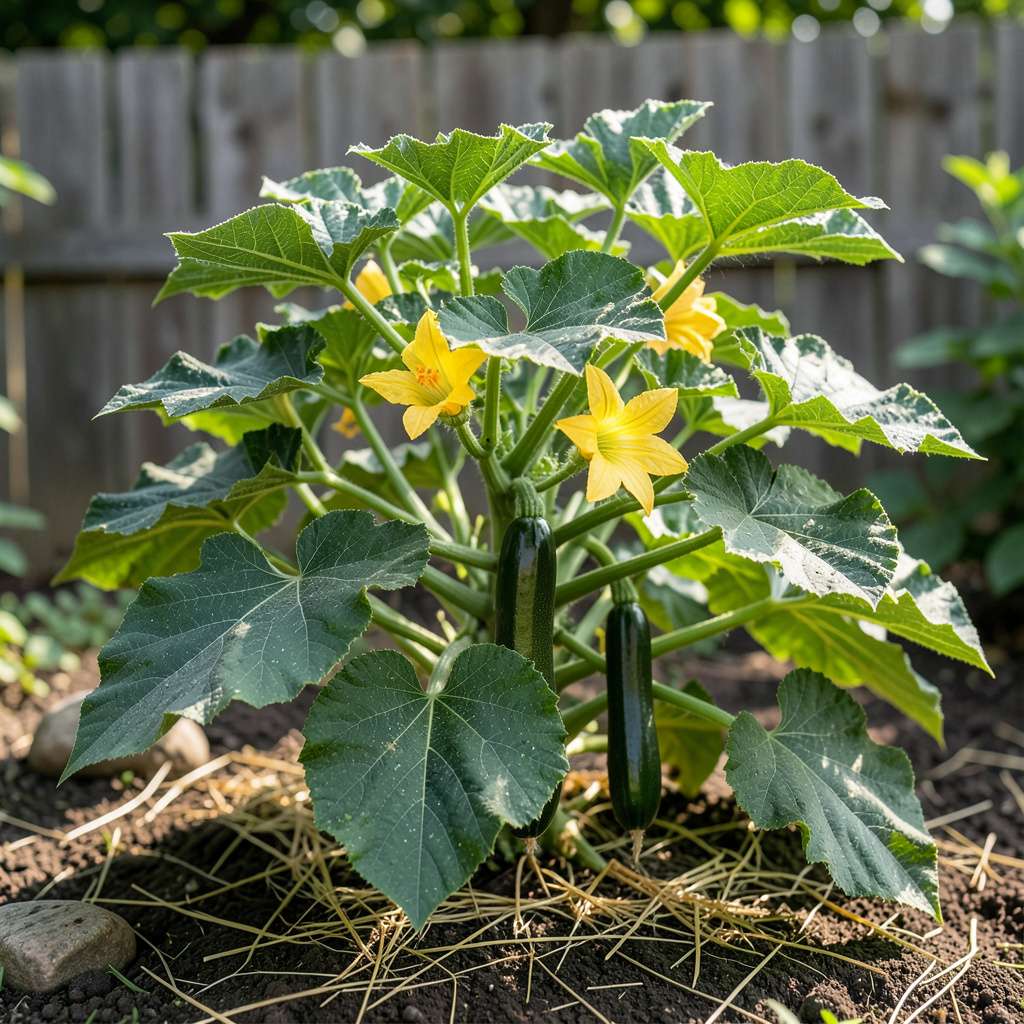
Yes, rabbits frequently eat zucchini plants—especially tender leaves, stems, and young fruit. They’re attracted to the moisture and soft texture, making gardens vulnerable without protection.
I’ve noticed rabbits zero in on zucchini because it’s like a fast-food buffet for them—juicy leaves, succulent stems, and easy-to-nibble fruit all in one spot. 🌱 What’s tricky is their timing: they’ll strike at dawn or dusk when you’re least likely to catch them, and they’ll keep coming back once they’ve found a reliable food source. From my experience, a single rabbit can decimate a young zucchini plant overnight if given the chance.
This isn’t just about hunger—it’s about survival strategy. Rabbits prioritize plants with high water content during dry spells, and zucchini’s broad leaves provide both hydration and shelter. I’ve seen them bypass tougher plants like rosemary to go straight for the zucchini, which offers minimal resistance. That’s why gardeners often underestimate the damage until it’s too late. ✨
💡 In This Article
Zucchini plants are essentially a rabbit’s dream meal because of their 90% water content in leaves and stems. Unlike woody plants like rosemary or thyme, zucchini offers tender foliage that requires minimal chewing effort. The broad leaves also provide shade and moisture retention, creating a microclimate that rabbits seek during hot days.
I’ve observed them systematically munching the edges of leaves first, working inward toward the main stem.
What makes zucchini particularly vulnerable is its rapid growth cycle. A healthy plant can produce new leaves daily, which means fresh, tender growth is constantly available—like a renewable buffet. Rabbits prefer young plants under 12 inches tall because the stems haven’t lignified (hardened) yet.
The fruit itself becomes tempting once it reaches 3-4 inches long, offering both moisture and carbohydrates in one package.
Seasonal patterns play a huge role too. During spring and early summer, rabbits need extra hydration as they nurse their young. Zucchini’s high water content (95% in the fruit) makes it more appealing than drier options like beans or peas. I’ve noticed damage spikes during drought periods when alternative water sources dry up.
The plants’ large leaves also create hiding spots, allowing rabbits to feed undetected for longer periods.
Compare this to plants rabbits typically avoid: aromatic herbs like basil or mint contain volatile oils that irritate their sensitive noses, while fuzzy-leaved plants like lamb’s ear create physical discomfort. Zucchini lacks these natural deterrents, making it an easy target.
The plant’s cucurbitacin compounds (which give zucchini its slightly bitter taste) don’t bother rabbits the way they deter some insects.
Here’s what’s particularly frustrating: rabbits develop feeding routes. Once they find your zucchini patch, they’ll return nightly, expanding their damage radius by about 3-5 feet each visit. Their sharp incisors can cleanly sever stems up to ½-inch thick in a single bite.
The telltale sign isn’t just missing leaves—it’s the precise, angled cuts that distinguish rabbit damage from slug or deer browsing.
I’ve tracked rabbit activity in gardens and found they’ll prioritize zucchini over other squash varieties like pumpkins or butternut, likely because zucchini’s thinner skin and higher water content make it easier to consume quickly. This preference becomes especially pronounced in urban and suburban areas where natural forage options are limited.
The plants’ fast regrowth actually works against them—new tender shoots appear daily, keeping the buffet stocked.
What most gardeners don’t realize is that rabbits have excellent memories for food locations. They’ll return to the same zucchini plants night after night, systematically working their way through your garden.
The damage often appears worse overnight because rabbits are crepuscular (most active at dawn and dusk), when gardeners are least likely to be monitoring their plants. This consistent feeding pattern can destroy a zucchini plant in just 3-5 days if left unchecked.
The nutritional payoff for rabbits is significant: a single mature zucchini leaf provides about 5-7 calories and substantial hydration. For a rabbit needing 200-300 calories daily, your zucchini patch represents a high-value food source. Their feeding strategy focuses on maximizing energy intake with minimal effort—which is exactly what zucchini plants offer. 🐇
Rabbits typically target leaves first because they’re tender and packed with moisture. The broad leaves provide both food and hydration, making them a prime target. However, once the fruit reaches 3-4 inches, rabbits will nibble on that too—especially during dry periods.
Rabbits are crepuscular, meaning they’re most active at dawn and dusk. This is when you’ll likely see the most damage. They avoid midday heat and prefer feeding when they feel safer from predators. Check your garden during these times to catch them in action.
Try cutting the bottoms off plastic bottles and placing them over young plants. Old CD discs hung from strings can also deter them—the movement and reflections scare rabbits away. Even used cat litter (from carnivore pets) sprinkled around plants can work as a temporary deterrent.
Rabbit damage has clean, angled cuts—almost like someone trimmed with scissors. You’ll also see 1-2 inch wide tooth marks on stems. Deer leave ragged edges, while slugs create irregular holes. Look for small, round droppings nearby to confirm rabbit activity.
Young plants may not survive if stems are completely severed. However, mature plants often recover if you protect them immediately. Prune damaged leaves and apply a balanced fertilizer to encourage new growth. Keep barriers in place until harvest to prevent repeat attacks.
