
Beautiful Plants For Your Interior
Beautiful Plants For Your Interior
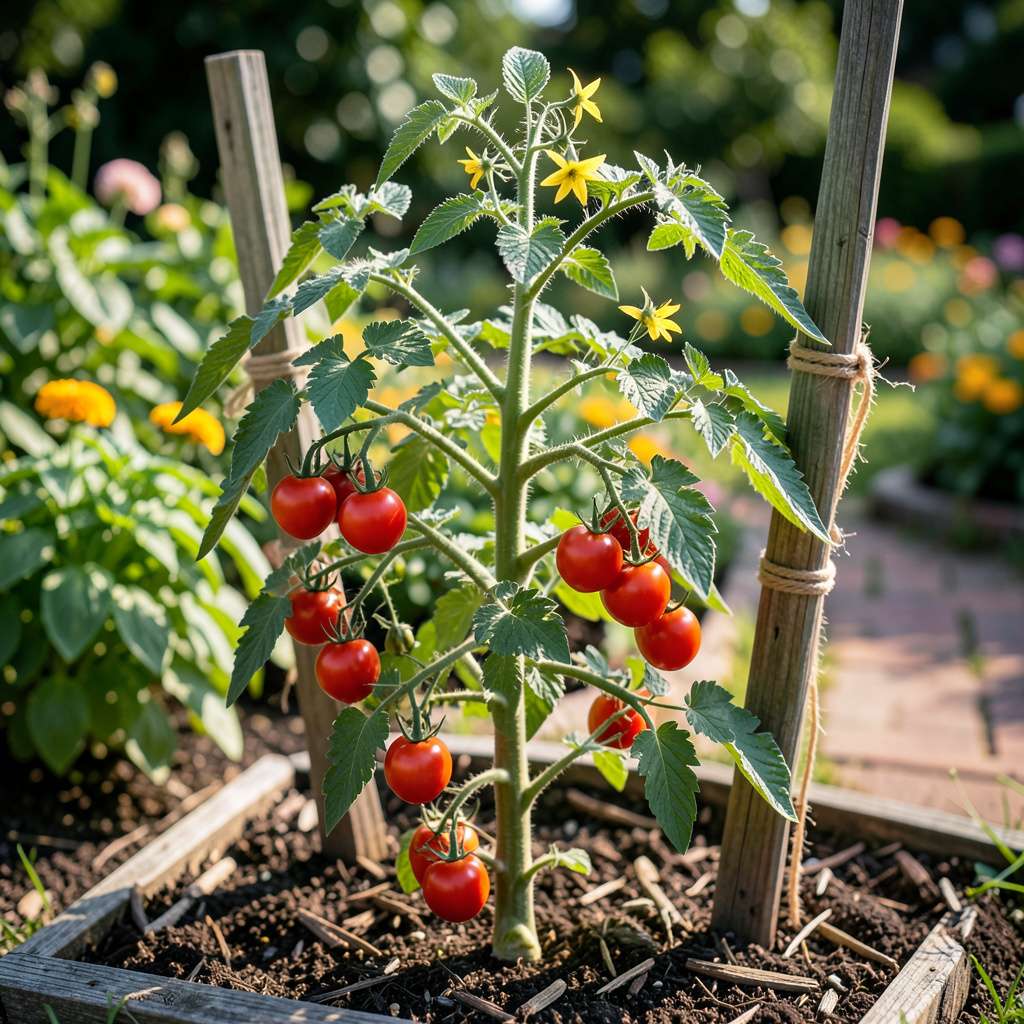
Yes, rabbits will eagerly eat tomato plants—especially tender leaves and young stems—because they’re attracted to the moisture and nutrients. They typically avoid ripe tomatoes but can devastate seedlings and mature plants overnight.
I’ve watched entire tomato patches vanish in my garden when rabbits discover them. These creatures prioritize young, succulent growth because it’s easier to digest than tougher mature foliage. 🌱 What’s particularly frustrating is their timing—they’re most active at dawn and dusk, when gardeners are least likely to catch them in the act. The damage often looks like clean cuts across stems, unlike the ragged edges deer leave behind.
💡 In This Article
Tomato plants offer rabbits a nutritional goldmine they can’t resist. The foliage contains 85-90% water content, making it a perfect hydration source during dry periods. 💧 Unlike tougher plants, tomato leaves and stems have soft cell walls that require minimal chewing effort—a critical factor for rabbits whose teeth grow continuously at 2-3 inches per year.
This combination of moisture and tenderness explains why they’ll bypass mature plants with woody stems to focus on your tender tomato seedlings.
Seasonal feeding patterns intensify the problem. In spring and early summer, mother rabbits need 30% more calories to nurse their young, driving them to seek nutrient-dense plants. Tomato leaves provide 2-3% protein and trace minerals like potassium—higher than many grasses.
Their keen sense of smell detects the solanine compounds in tomato foliage (which are harmless to rabbits but toxic to many predators), signaling a safe food source. I’ve observed rabbits systematically working through garden rows, sampling plants until they find this perfect combination.
Rabbits identify vulnerable plants through a combination of scent and visual cues. They’re particularly drawn to the bright green color of new tomato growth, which indicates high chlorophyll content and tenderness. The plants’ rapid growth rate (adding 2-3 inches per week in ideal conditions) means constant fresh shoots—like a renewable buffet.
Unlike deer that browse widely, rabbits establish feeding routes and return nightly to reliable food sources, which is why you’ll often see the same plants targeted repeatedly.
Comparing tomato plants to other garden favorites reveals why they’re often first on the menu. While rabbits enjoy lettuce (95% water) and beans (21% protein), tomato plants offer a unique balance: more substantial than leafy greens but easier to digest than fibrous plants like asparagus.
The stems’ pithy center provides both hydration and structure, similar to how we enjoy celery. This nutritional efficiency explains why a single rabbit can consume 1-2 pounds of tomato foliage in one night—devastating for young plants but often overlooked until it’s too late. 🌿
What makes this behavior particularly challenging is rabbits’ crepuscular nature—they’re most active during the low-light hours of dawn and dusk when gardeners aren’t present. Their feeding leaves distinctive 45-degree angle cuts on stems (from their incisors), unlike the torn edges from deer or the holes from insects.
This precision allows them to maximize food intake while minimizing energy expenditure, which is why tomato plants often disappear completely rather than showing gradual damage.
Rabbits rarely eat ripe tomatoes—they prefer the leaves and stems. The fruit’s acidity and tougher skin make it less appealing than tender foliage. You’ll more likely find nibbled plants than missing tomatoes, though desperate rabbits might sample them during droughts.
Spring and early summer pose the highest risk when plants are young and rabbits are feeding their young. New growth is especially tempting, and mother rabbits need 30% more calories during nursing season. Expect the most damage from March through July in most regions.
Human hair can work temporarily as a deterrent. The scent suggests predators are nearby, making rabbits cautious. Collect clean hair from salons (ask for clippings) and scatter it around plants. Replace every 2-3 weeks or after rain, as the scent fades quickly.
Install fencing at least 2 feet high with the bottom 6 inches buried. Rabbits can jump up to 3 feet when motivated, but they’re less likely to attempt jumps when they can’t see the landing. Use 1/4-inch hardware cloth for best results—they can squeeze through chicken wire.
They favor tender-leafed varieties like ‘Cherry’ or ‘Early Girl’. Heirloom types with thicker stems (‘Amish Paste’, ‘San Marzano’) are less appealing. The softer the foliage, the more attractive it is—young plants of any variety are always at highest risk during their first 4-6 weeks of growth.
