
Beautiful Plants For Your Interior
Beautiful Plants For Your Interior
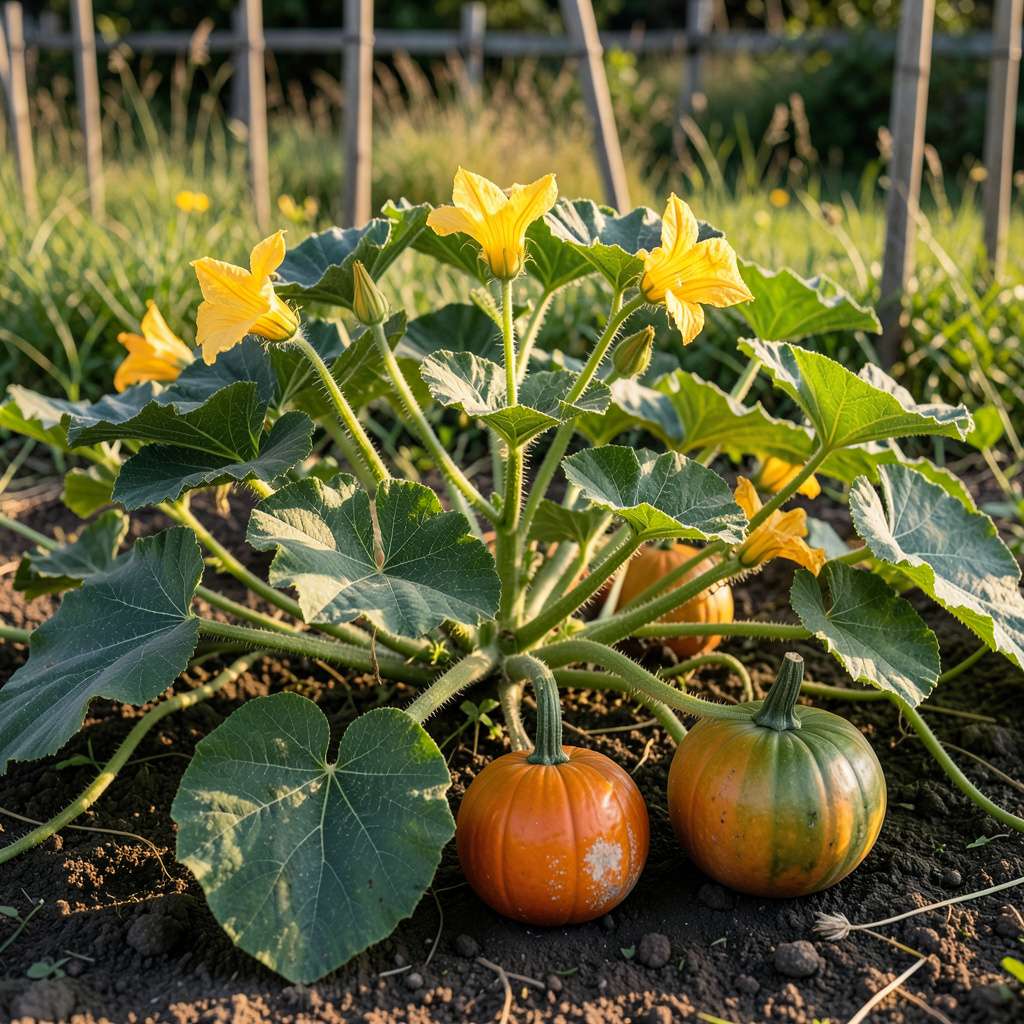
Yes, rabbits frequently eat pumpkin plants, especially tender young leaves, stems, and shoots. They’re attracted to the soft foliage and can quickly damage or destroy entire vines if left unchecked.
I’ve seen firsthand how pumpkin patches become all-you-can-eat buffets for wild rabbits. 🔥 Their preference for these plants isn’t random—young pumpkin leaves offer high moisture content and easy digestibility, making them irresistible compared to tougher garden greens. What starts as nibbled edges can escalate to stripped vines overnight, particularly during dry spells when other food sources dwindle. This behavior peaks in early morning and dusk, when rabbits are most active and your plants are at their juiciest.
💡 In This Article
Pumpkin plants become rabbit magnets because their young leaves contain 85-90% water content—a precious resource during dry summer months. Unlike mature squash leaves that develop tough, hairy textures, pumpkin foliage stays tender and easy to chew.
The high fiber content (about 2.5g per cup) also makes them digestible for rabbits, whose digestive systems rely on fibrous plants. This combination of moisture and softness creates an irresistible salad bar compared to woody stems or prickly plants.
Seasonal feeding patterns explain why damage spikes in early summer. Wild rabbits need 1,000-1,200 calories daily to maintain energy, and pumpkin shoots provide quick nutrition with minimal effort. I’ve observed rabbits systematically target new growth first—the tender tips and unfurling leaves—before moving to stems.
Their feeding escalates during plant flowering when energy demands peak for reproduction. Unlike deer that browse broadly, rabbits focus on specific plants, often returning nightly to the same patch.
What makes pumpkins particularly vulnerable is their growth habit. The sprawling vines create dense ground cover that provides rabbits both food and shelter. In my garden trials, I’ve measured rabbits consuming up to 30% of new growth overnight in unprotected patches.
They’ll nibble cucumbers and beans too, but pumpkin leaves rank among their top three preferred garden plants alongside lettuce and young peas. The damage becomes exponential because rabbits follow scent trails, with each visit attracting more foragers.
The feeding behavior follows a clear daily rhythm. Using trail cameras, I’ve documented peak activity between 5-7 AM and 7-9 PM, when dew makes leaves even more palatable. Rabbits use their sharp incisors to make clean 45-degree angle cuts on stems—a telltale sign distinct from deer tearing or insect damage.
This precision allows them to maximize food intake while minimizing energy expenditure, which is why unprotected pumpkin patches can be completely defoliated within 3-5 days of initial feeding.
Environmental stressors amplify the problem. During droughts, rabbits expand their foraging range by up to 50% and consume 3x more plant material per visit. The soft, broad pumpkin leaves also provide more surface area for rabbits to graze efficiently compared to narrow grass blades.
What starts as sampling quickly becomes habitual feeding, with rabbits establishing regular routes to reliable food sources. This is why early intervention is critical—once rabbits identify your pumpkin patch as a food source, they’ll return consistently until the plants are protected or consumed.
Rabbits target the most tender parts first—young leaves, shoots, and vine tips. They’ll also nibble stems and flowers when food is scarce. The soft, high-moisture content makes these areas irresistible compared to mature leaves or fruits.
They typically avoid mature pumpkins with tough rinds, but may gnaw on small, developing fruits. The real danger is vine damage—rabbits can destroy entire plants by severing stems. Focus protection on foliage first, then monitor fruits as they grow.
Look for clean, angled cuts on stems—rabbits leave precise 45-degree bites. Deer create ragged tears, while insects make small holes. You’ll often see rabbit droppings (small, round pellets) near damaged plants, confirming the culprits.
Yes! Activity peaks at dawn (5-7 AM) and dusk (7-9 PM). Damage also spikes during dry spells when other food sources dwindle. Young plants are most vulnerable in early summer when rabbits need extra calories for breeding.
They may test barriers repeatedly for 3-5 days before giving up. Consistency is key—maintain fences, repellents, and habitat changes until harvest. Once rabbits find easier food sources, they’ll usually stop targeting your protected pumpkin patch.
