
Beautiful Plants For Your Interior
Beautiful Plants For Your Interior
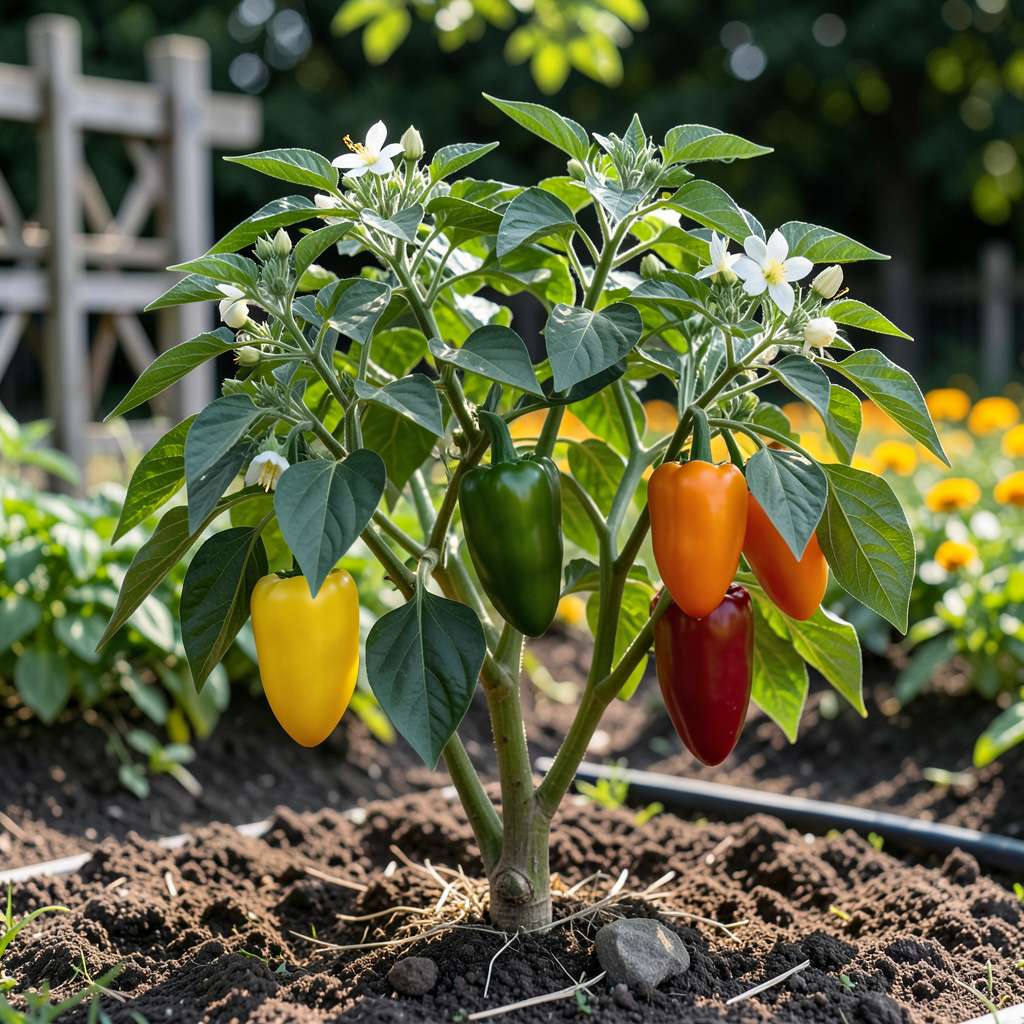
Yes, rabbits will eat pepper plants—especially young leaves and tender stems—though they may avoid hot peppers due to capsaicin. These pests can quickly devastate unprotected gardens, making prevention essential for healthy crops.
I’ve seen firsthand how rabbits can turn a thriving pepper patch into a snack bar overnight. Their preference for soft, high-moisture vegetation makes pepper plants particularly vulnerable, especially during early growth stages when leaves are most tender. 🌱 What’s tricky is that while they’ll avoid spicy varieties, sweet peppers and young plants rarely stand a chance without protection. The damage often appears as clean cuts across stems—almost like someone trimmed your plants with tiny scissors.
💡 In This Article
Rabbits are naturally drawn to pepper plants because of their high moisture content and soft, succulent leaves. These animals prefer vegetation that’s easy to chew and digest, and young pepper plants fit this perfectly with their tender stems and broad leaves.
🌱 Unlike mature plants with tougher foliage, seedlings and early growth stages provide minimal resistance, making them ideal targets for hungry rabbits.
The feeding patterns become especially problematic during spring and early summer when rabbits are most active. During these seasons, they need extra nutrition for breeding and growth, consuming up to 1 pound of vegetation daily. Pepper plants, with their 90% water content in leaves, become particularly appealing compared to drier plants.
I’ve noticed they’ll often bypass mature plants to focus on new growth, where the cell walls are thinner and nutrients more accessible.
What makes peppers uniquely vulnerable is their lack of natural defenses against herbivores. While some plants develop bitter compounds or thorns, most pepper varieties (especially sweet peppers) have evolved to attract pollinators rather than repel pests.
The plants’ upright growth habit also makes them easy to access—unlike sprawling crops that might be harder for rabbits to reach. This combination of accessibility and palatability creates perfect storm conditions for garden damage.
Seasonal changes dramatically affect rabbit behavior around pepper plants. In early spring, when natural food sources are scarce, rabbits become less selective and will sample a wider variety of plants. By mid-summer, they develop preferences based on what’s most nutritious and easiest to eat.
🐇 I’ve observed that during drought conditions, rabbit damage increases by 40-50% as they seek out the highest moisture content plants—often targeting pepper gardens first.
The time of day matters too. Rabbits are crepuscular, meaning they’re most active at dawn and dusk when gardeners are least likely to be present. This timing allows them to feed undisturbed for 2-3 hours during each peak activity period.
The damage often goes unnoticed until the next morning when gardeners find cleanly severed stems—a telltale sign of rabbit feeding rather than insect damage which typically leaves ragged edges.
Interestingly, rabbit preferences vary by pepper variety. They’ll consistently avoid hot peppers containing capsaicin levels above 5,000 SHU (Scoville Heat Units), but sweet bell peppers and mild banana peppers are fair game. This selectivity explains why you might see some plants completely stripped while others remain untouched in the same garden bed.
The capsaicin acts as a natural deterrent, though young plants may still be nibbled before they develop sufficient heat levels.
While rabbits typically avoid hot peppers with capsaicin levels above 5,000 SHU, young plants may still get nibbled before developing full heat. Mature jalapeños or habaneros usually remain safe, but sweet peppers and mild varieties need protection regardless of age.
Rabbits are crepuscular, meaning they feed most actively at dawn and dusk. These 2-3 hour windows are when unprotected plants face highest risk. Consider checking your garden during these times to spot early signs of damage.
Install 1/4-inch hardware cloth at least 2 feet high with an additional 6 inches buried to prevent digging. For raised beds, extend the barrier 1 foot above the tallest expected plant growth to discourage reaching over.
Strong-scented plants like marigolds, onions, and lavender create effective barriers. Interplant these around peppers in a 1:3 ratio (1 repellent to 3 peppers). The scent confuses rabbits’ foraging instincts without harming your crops.
Garlic or cayenne sprays need reapplication every 3-5 days or after rain. For commercial repellents, follow label instructions—typically weekly during peak season. Rotate spray types monthly to prevent rabbits from becoming accustomed to any single deterrent.
