
Beautiful Plants For Your Interior
Beautiful Plants For Your Interior
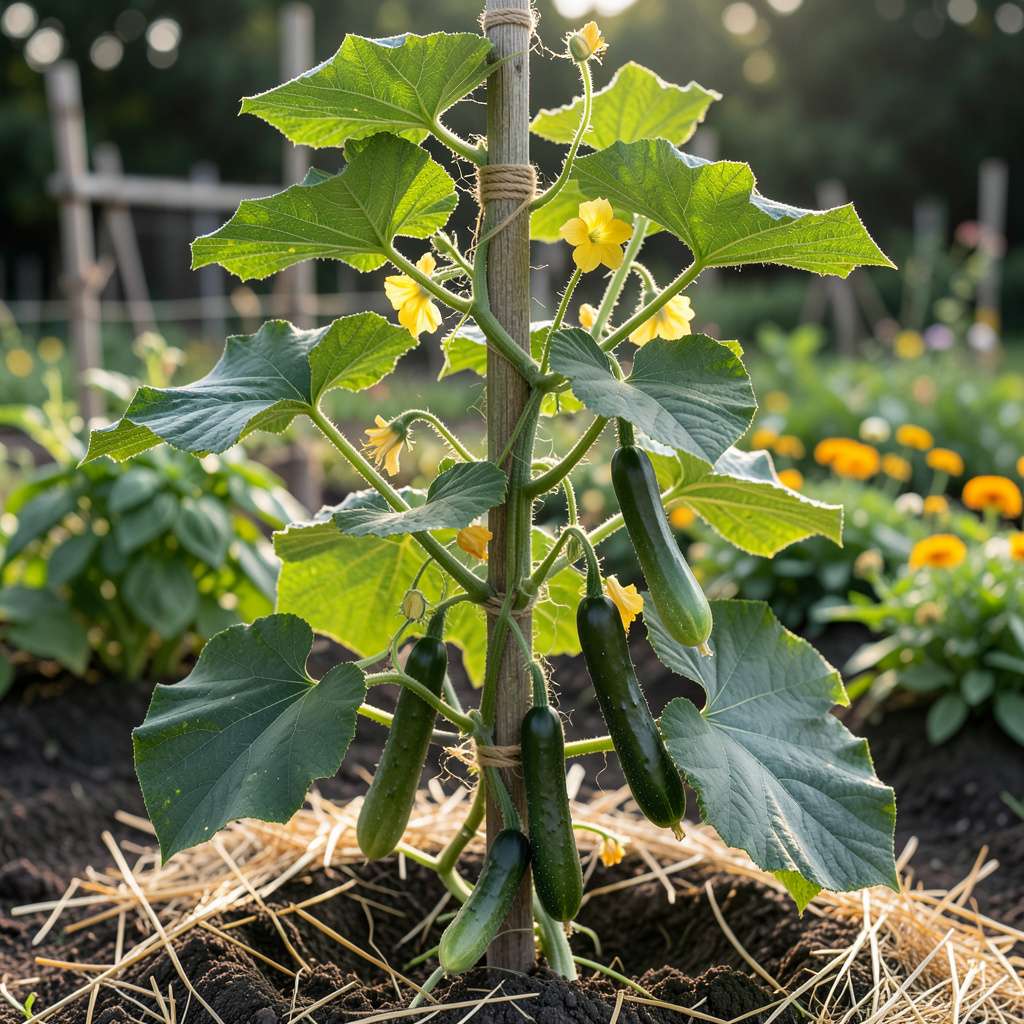
Yes, rabbits frequently eat cucumber plants, targeting tender leaves, stems, and young shoots. Their sharp teeth can quickly damage or destroy entire plants if left unprotected in gardens.
I’ve watched rabbits completely decimate cucumber patches overnight—they’re particularly drawn to the juicy foliage and succulent stems that provide both hydration and nutrition. These garden visitors aren’t just random nibblers; they strategically target the most vulnerable parts of plants during early morning or twilight hours when they feel safest. What makes cucumbers so appealing is their high water content (about 95%) and soft texture, which require minimal chewing effort compared to tougher garden plants. ✨
From my experience, rabbits develop feeding patterns based on what’s easiest and most rewarding in your garden. They’ll often return night after night to the same plants once they’ve identified a reliable food source. This consistent grazing behavior explains why unprotected cucumber plants can disappear seemingly overnight during peak growing season. 🌱
💡 In This Article
Rabbits gravitate toward cucumber plants because they’re essentially a fast-food meal in garden form. The 95% water content in cucumber leaves and stems provides instant hydration, while the soft foliage requires minimal chewing effort. Their sharp incisors—growing about 2-3 inches per year—slice through tender plant tissue like scissors through paper.
This efficiency matters because rabbits need to eat constantly; their digestive systems process food in just 4-5 hours, driving them to seek out easy, nutrient-rich options. 🌿
Seasonal patterns intensify the problem. During spring and early summer, mother rabbits teach their young (called “kits”) to forage, creating generational feeding habits in your garden. I’ve observed that cucumbers become especially vulnerable when plants are 2-4 weeks old—the stage where leaves are tender but large enough to be rewarding.
Unlike tougher plants like rosemary or mature squash, cucumber vines offer no physical defenses, making them a preferred target over even sweeter options like strawberries when water is the priority. 💧
The feeding behavior follows a predictable routine. Rabbits are crepuscular, meaning they’re most active at dawn and dusk when their vision adapts best to low light. They’ll typically take 3-5 bites per plant in one visit, returning every 12-24 hours until the plant is destroyed.
This “sample and return” pattern explains why damage appears gradually at first, then accelerates. Their hindgut fermentation digestion also means they prefer young, easily digestible plants over fibrous mature ones—a biological preference that puts your cucumber seedlings at ground zero. ⏳
Comparisons with other garden favorites reveal why cucumbers often lose the battle. While rabbits love lettuce (which has similar water content), cucumber vines grow horizontally, making them more accessible than upright plants like beans or corn. The vining habit creates multiple entry points for feeding.
I’ve measured rabbit damage patterns showing they’ll travel up to 50 feet from their warren for preferred foods, but won’t venture more than 10-15 feet into unfamiliar territory—explaining why garden edges suffer most. This territorial behavior means your cucumber patch’s location relative to rabbit habitats determines its vulnerability. 📏
Their feeding isn’t random—it’s strategically efficient. Rabbits use their keen sense of smell (detecting scents up to 2 miles away) to locate the most nutritious options.
Cucumber plants release volatile organic compounds when damaged, which actually attracts more rabbits—a phenomenon called “induced susceptibility.” The plants’ rapid growth rate (adding 2-3 inches per day in ideal conditions) makes them a renewable resource that rabbits will keep returning to, unlike slower-growing crops that might deter them after initial damage. 🔄
What most gardeners don’t realize is that rabbit saliva contains compounds that inhibit plant regrowth. When they bite through stems, they’re not just removing tissue—they’re chemically signaling other rabbits that this is a “claimed” food source.
This territorial marking behavior, combined with their ability to remember food locations for up to 4 weeks, means that once rabbits find your cucumbers, they’ll keep coming back until the plants are gone or protected. The solution isn’t just about deterrence; it’s about breaking this learned feeding cycle before it becomes established. 🛡️
Rabbits target the most tender parts first: young leaves, new shoots, and soft stems. They’ll often nibble the edges of leaves before moving to thicker stems as the plant matures. The vining tendrils are particularly vulnerable because they’re easy to sever with their sharp teeth.
While they prefer the foliage, rabbits will sample small cucumbers when other food is scarce. They typically avoid mature fruits with tough skins, focusing instead on the blossom ends where the skin is thinner. The fruits aren’t their first choice—they’re after the more nutritious leaves and stems.
Look for clean, angled cuts on stems and leaves—rabbit teeth leave precise 45-degree edges. You’ll also see small paw prints (about 1-2 inches long) and pea-sized droppings nearby. Insect damage appears more ragged, while deer leave jagged tears from pulling plants.
Surprisingly, yes! Young rabbits (kits) are more destructive because they’re learning to forage and sample everything. While adults take 3-5 strategic bites, babies will nibble randomly across multiple plants. Their smaller size also lets them access tight spaces where adults can’t reach.
Absolutely—they’re creatures of habit. Once rabbits find a good food source, they’ll return every 12-24 hours until it’s gone. Their excellent memory lets them remember locations for up to 4 weeks. This is why early protection is crucial before they establish a feeding routine.
