
Beautiful Plants For Your Interior
Beautiful Plants For Your Interior
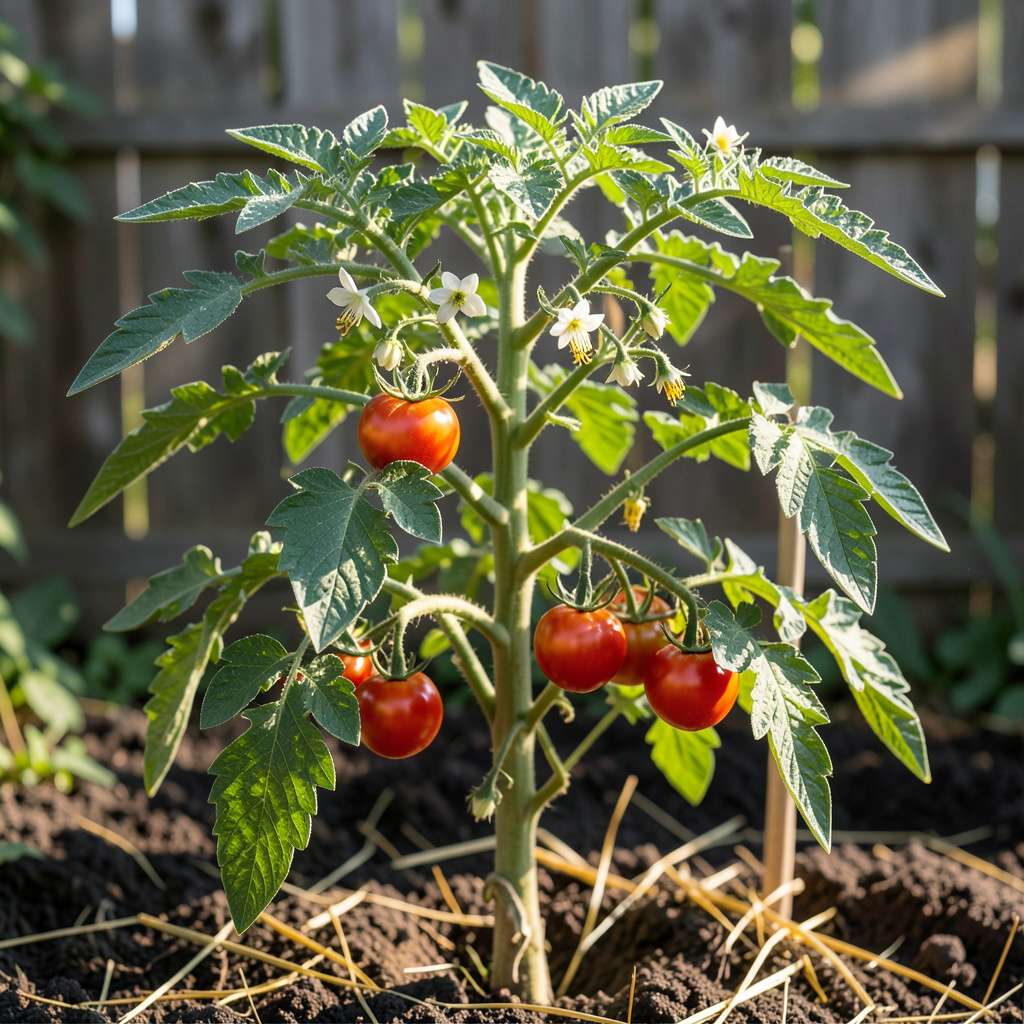
Yes, plants do grow at night, though typically at a slower rate than during the day. Nighttime growth is driven by cell elongation and metabolic processes that continue in darkness, supported by energy stored from daytime photosynthesis.
What fascinates me about this process is how plants essentially “work overtime” while we sleep. 🌱 The energy they capture from sunlight during the day gets repurposed at night to fuel stem and root expansion—it’s like they’re doing construction work under cover of darkness. I’ve noticed this most dramatically with fast-growing plants like bamboo or morning glories, which can add noticeable length overnight when conditions are right.
This nocturnal growth isn’t just passive stretching either. Plants actively manage water pressure in their cells (what scientists call turgor pressure) to push their boundaries while conserving energy. The cooler nighttime temperatures actually help reduce moisture loss, creating ideal conditions for this subtle but crucial expansion phase.
💡 In This Article
What’s actually happening inside plants after sunset is a fascinating shift in biological priorities. During daylight, plants focus on photosynthesis—converting sunlight into chemical energy (glucose) while building new cells through division. But when darkness falls, they switch gears to cell elongation, using stored energy to stretch existing cells.
This nighttime growth is primarily driven by auxin, a phytohormone that loosens cell walls to allow expansion. 🌱
The growth rate difference is measurable: studies show corn plants may grow 1-2 inches during daylight but extend another 0.5-1 inch overnight. This happens because respiration (the plant’s version of “breathing”) continues 24/7, breaking down glucose for energy. At night, without photosynthesis competing for resources, more energy becomes available for vertical growth.
Temperature plays a key role—ideal nighttime growth occurs between 60-70°F, where metabolic processes remain active but moisture loss is minimized.
Here’s where circadian rhythms come into play: plants have internal clocks that regulate growth patterns. The PHYTOCHROME protein system detects darkness and triggers night-specific processes. Stem elongation is most pronounced in the first 2-3 hours after sunset when stored starches are most abundant.
I’ve observed this dramatically with sunflowers, which can grow 2-3 inches overnight under optimal conditions, their stems visibly longer by dawn.
Roots also experience nighttime growth spurts, though differently than aboveground parts. While shoots elongate, roots focus on branching and fine hair development to maximize water absorption before morning transpiration begins.
The absence of light actually stimulates root growth hormones like cytokinins, which is why seedling roots often double in length during their first week if nights stay consistently warm. ✨
Water dynamics change dramatically after dark. Plants reduce transpiration by closing stomata (pores) to conserve moisture, creating internal pressure that aids cell expansion. This is why evening watering can be beneficial—it provides the hydration needed for nighttime growth without the immediate evaporation loss that occurs during daytime watering.
The combination of available moisture and cooler temperatures creates perfect conditions for maximum elongation.
What surprises many gardeners is that some plants show more nighttime growth than others. Fast-growing species like bamboo, morning glories, and certain squash varieties can add 20-30% of their daily growth during night hours. In contrast, slow-growing plants like oak trees may show minimal overnight expansion.
The difference comes down to how efficiently each species allocates its stored energy reserves during dark periods.
Artificial lighting can disrupt these natural cycles. Even low levels of light pollution (like streetlights) can confuse a plant’s circadian rhythm, reducing nighttime growth by 15-20% in sensitive species. This is why greenhouse growers often implement strict dark periods—complete darkness for 6-8 hours optimizes the natural growth hormone cycles that drive overnight expansion. 💫
The practical takeaway? While we sleep, our plants are busy at work. Understanding this nighttime growth phase explains why consistent nighttime temperatures, proper evening watering, and protecting plants from artificial light can dramatically improve overall growth rates.
It’s not just about what happens during the day—those dark hours are when much of the “heavy lifting” of plant development actually occurs.
Fast-growing species like bamboo and morning glories allocate more energy to nighttime cell elongation. Their efficient auxin production allows them to stretch 20-30% of their daily growth during dark hours. Slow-growing plants like oaks prioritize energy storage over rapid expansion.
Most vegetables thrive between 55-65°F at night, while tropical plants prefer 65-75°F. Cooler than 50°F slows metabolic processes, while temperatures above 80°F increase respiration rates too much. A soil thermometer helps monitor these conditions accurately.
Even small amounts of artificial light can disrupt circadian rhythms. Streetlights or porch lights may reduce nighttime growth by 15-20% in sensitive species. For optimal growth, ensure plants experience 6-8 hours of complete darkness daily. Lightweight fabric covers can help block unwanted light.
Late afternoon watering is ideal—it gives plants 2-3 hours before darkness to absorb moisture through roots. Avoid wetting leaves in the evening to prevent fungal issues. Check that the top 1-2 inches of soil feels moist at dusk for maximum turgor pressure.
Gently brushing stems and leaves for 30 seconds at dusk mimics wind, triggering growth hormone production. Maintaining consistent nighttime temperatures and humidity (between 40-60%) also helps. Grouping container plants creates beneficial microclimates for overnight expansion.
