
Beautiful Plants For Your Interior
Beautiful Plants For Your Interior
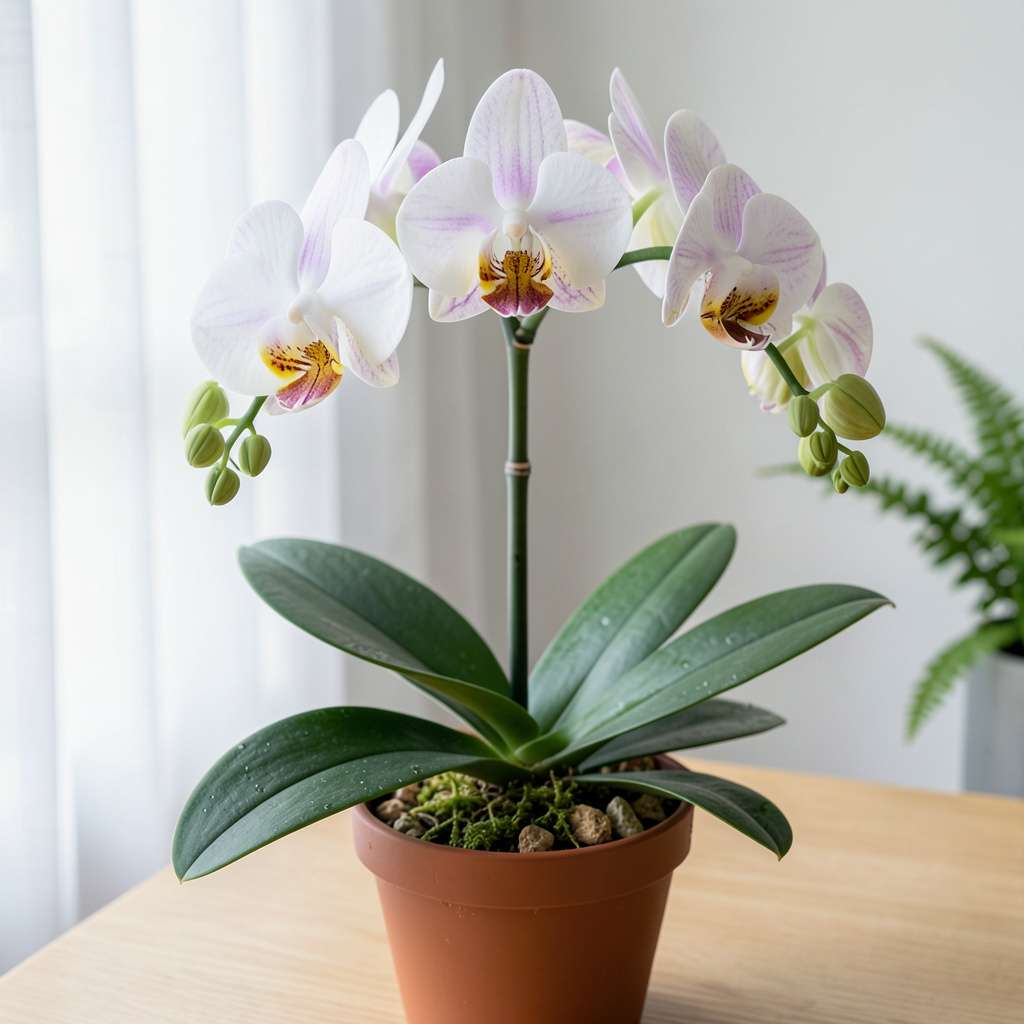
Orchids do not rebloom from dead plants, but healthy orchids often produce new blooms after old flowers fade if cared for properly with adequate light, water, and nutrients.
Understanding orchid care is essential for encouraging flowering cycles. 🌼 These plants typically enter a dormant phase after blooming, during which they require specific care—like reduced watering and optimal light conditions. I’ve found that providing the right balance of moisture and nutrients can significantly boost the chances of new blooms emerging once the old ones fade away. It’s fascinating how with patience and attention, these beautiful plants can thrive again!
💡 In This Article
To grasp how orchids flower, we first need to understand their lifecycle. After blooming, many orchids enter a dormant phase, during which they conserve energy. This is not a sign of death; rather, it’s a natural cycle where the plant prepares for future growth and blooming. 🌱
The key factor in this process is the orchid’s response to environmental cues. For instance, a reduction in light exposure can trigger dormancy. Typically, orchids thrive with about 12-14 hours of light daily during the growing season, so adjusting this can effectively signal the plant to rest. 🌞
Temperature also plays a crucial role. Many orchids prefer a drop in nighttime temperatures by around 10°F during dormancy, mimicking their natural habitat conditions. This shift helps them gather strength for the next blooming cycle. Providing these specific conditions can encourage healthy blooms after the previous ones fade. 🔄
After the dormancy phase, orchids often show signs of new growth, such as leaf development or roots emerging. This is when they are primed for reblooming. To assist this process, it’s essential to provide balanced fertilization—typically using a diluted orchid-specific fertilizer every 2-4 weeks during the growing season can work wonders. 🌺
Lastly, it’s vital to differentiate between flower die-off and plant death. While flowers may wilt and fall off after blooming, the plant itself can remain healthy if cared for properly. Ensure you’re providing adequate water without overwatering, which can lead to root rot—a common pitfall that could ultimately harm your orchid. 💧
