
Beautiful Plants For Your Interior
Beautiful Plants For Your Interior
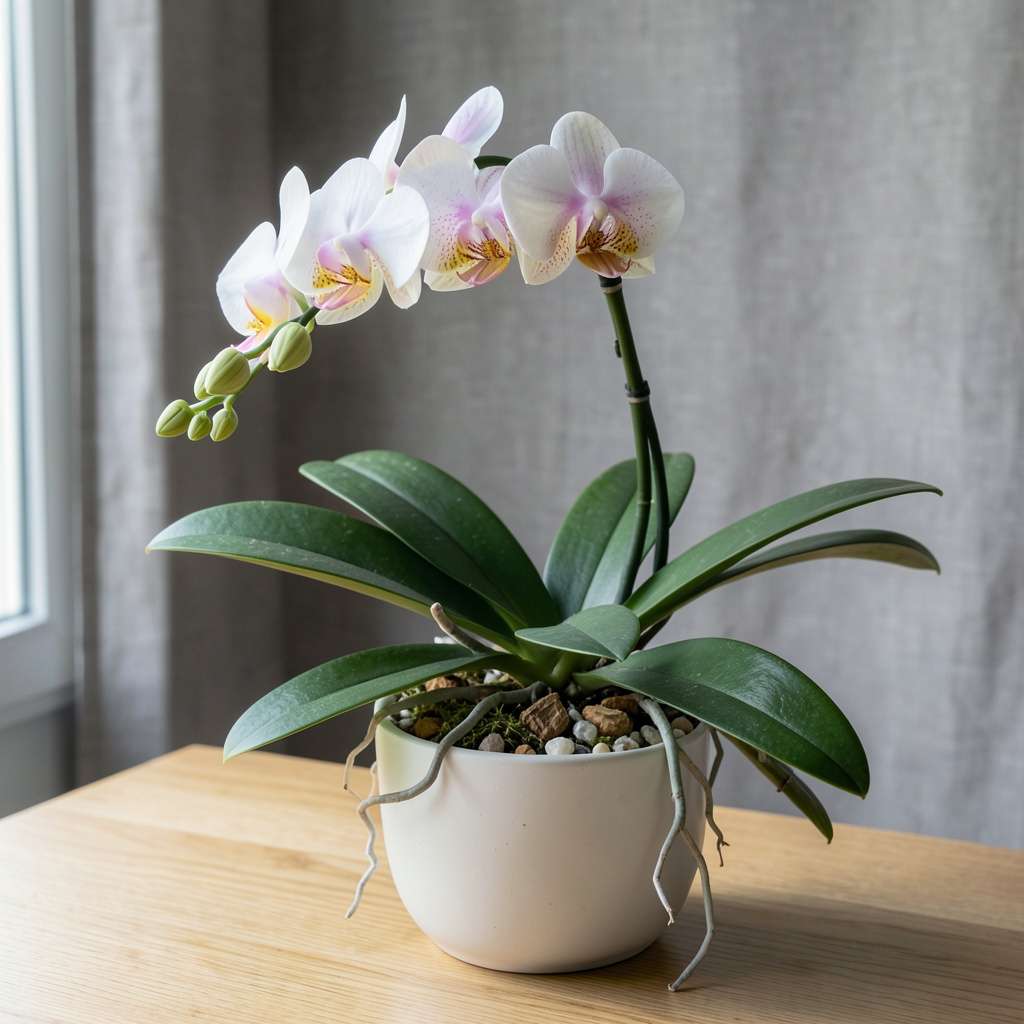
Orchids require indirect sunlight for 12-14 hours daily, with Phalaenopsis and Dendrobium species needing moderate to bright light. Direct sunlight can scorch leaves, while insufficient light causes poor growth and no blooms.
Understanding the light needs of orchids is crucial for their health. 🌱 Different species have unique requirements; for example, Cattleya orchids thrive in bright light, while Oncidiums prefer softer conditions. I often notice that yellowing leaves indicate a lack of light, whereas sunburned spots signal too much exposure. Keeping an eye on these signs helps ensure my orchids flourish.
To optimize light, I position my orchids near windows with filtered sunlight or use artificial grow lights when natural light is scarce. 🌞 Rotating the plants regularly ensures all sides receive adequate illumination without direct exposure to harmful UV rays. This way, I maintain a balanced environment for my blooming beauties!
💡 In This Article
Light is vital for orchids, primarily because it fuels photosynthesis, the process through which plants convert light energy into chemical energy. Different species have adapted to various light conditions; for example, Cattleya orchids thrive in bright light, while Oncidium varieties prefer shadier spots. 🌼
The intensity of light directly affects the rate of photosynthesis, which is essential for healthy growth and blooming. Orchids typically need between 12-14 hours of indirect sunlight daily. Insufficient light may lead to yellowing leaves and stunted growth, while excessive light can cause leaf burn or sunburn spots. 🌞
When caring for orchids, it’s crucial to recognize these signs. For instance, if you notice your Phalaenopsis leaves turning yellow, it might indicate a lack of adequate light exposure. Conversely, brown or crispy patches suggest they’re getting too much direct sunlight. 🌿
To optimize light exposure, I suggest positioning your orchids near east or west-facing windows where they can enjoy filtered sunlight. Using sheer curtains can help diffuse harsh rays while still allowing ample light to reach the plants. This method replicates their natural habitat and helps maintain their health. 💡
Additionally, rotating your orchids every few weeks ensures even light distribution across all leaves. This simple practice prevents one side from becoming more robust than the other and promotes balanced growth. 🌈
For those with limited natural light, consider investing in artificial grow lights that mimic sunlight’s spectrum. These can be particularly effective during winter months or in rooms with insufficient daylight. Aim for a setup that provides around 10-12 hours of exposure to keep your orchids thriving. 🔋
