
Beautiful Plants For Your Interior
Beautiful Plants For Your Interior
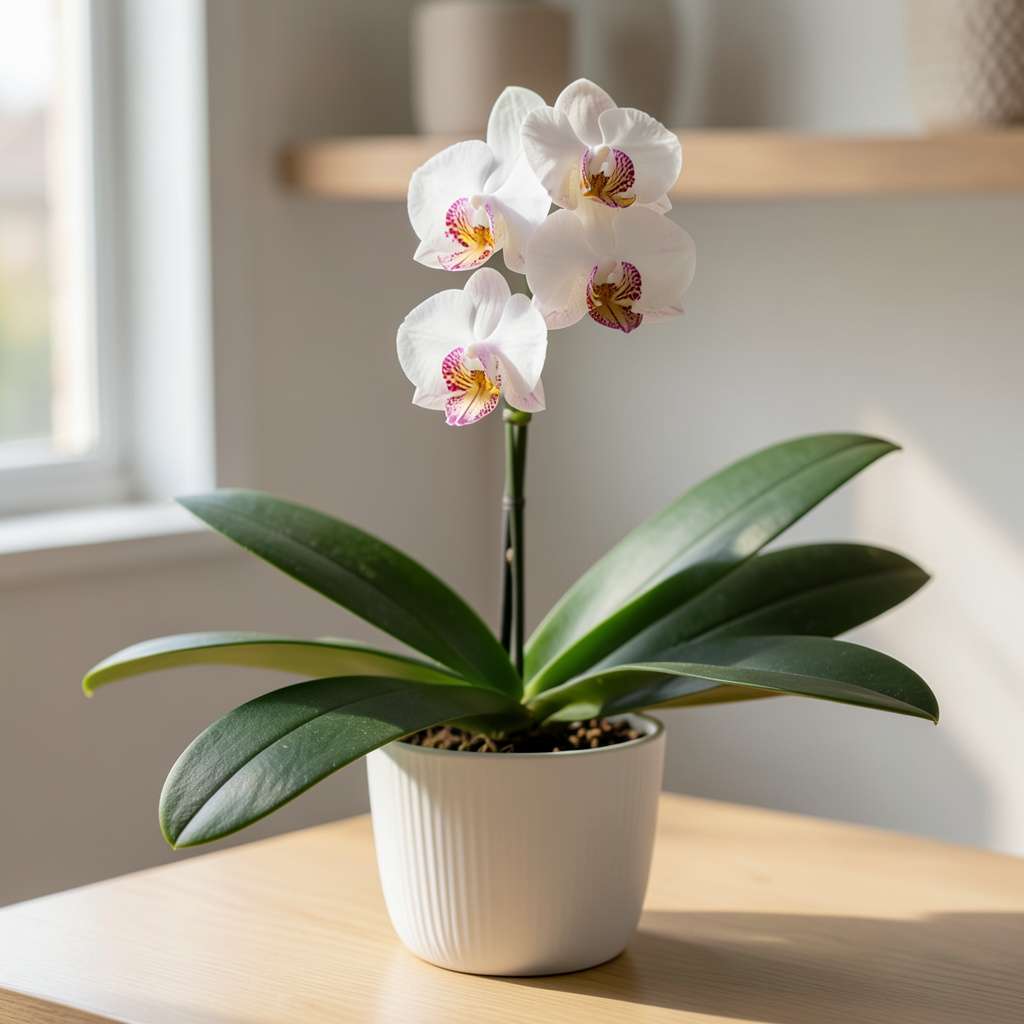
Orchids may or may not have a scent, depending on the species. Some emit sweet, honey-like fragrances, while others are nearly odorless, though their scent often intensifies in warm conditions.
What I find fascinating is how the scent of orchids can vary widely. 🌼 For instance, the fragrant varieties often attract specific pollinators, which is crucial for their reproduction. Environmental factors like temperature can also enhance or diminish their aroma, making it a dynamic characteristic worth exploring if you’re selecting orchids for fragrance.
In my experience, some species, like the Phalaenopsis and Cattleya, are renowned for their delightful scents. Understanding these aspects can help you choose the right orchids for your garden, ensuring you enjoy their captivating fragrances to the fullest. 🔍
💡 In This Article
The scent of orchids varies significantly across species due to the complex biochemistry involved in their fragrance production. Orchids produce volatile organic compounds, primarily terpenoids, which are responsible for their aromatic qualities. These compounds not only attract pollinators but also play a role in the plant’s defense mechanisms against herbivores. 🌼
For instance, the sweet fragrances of Phalaenopsis orchids often result from the specific terpenoids they synthesize, such as linalool and geraniol. In contrast, some orchids like the Vanilla orchid emit a rich, sweet aroma due to their unique combination of these compounds.
The concentration and type of terpenoids can change based on environmental conditions, especially temperature. 🔍
Warm temperatures can enhance the release of these aromatic compounds. When exposed to temperatures around 75°F to 85°F, the scent of many orchids becomes more pronounced. This is particularly important during the daytime when pollinators are active and can detect the fragrance.
Conversely, cooler conditions may cause a reduction in scent intensity, making the environment less inviting for pollinators. 🌞
It’s fascinating to note that not all orchids emit noticeable scents. Some species have evolved to rely less on fragrance for pollination, opting instead for visual cues like vibrant colors or unique shapes to attract pollinators. This evolutionary strategy allows them to thrive in different ecological niches where scent may be less effective. 🌿
In summary, the diverse scent profiles of orchids depend on their species-specific production of terpenoids and their responses to environmental factors. Understanding these nuances can greatly enhance your selection process when choosing orchids for scent in your garden or home. 🌸
